
TL;DR

Get garden gear delivered free with Prime
- Fast, free delivery on millions of items
- Prime Video, Amazon Music and more included
- Member-only deals all year
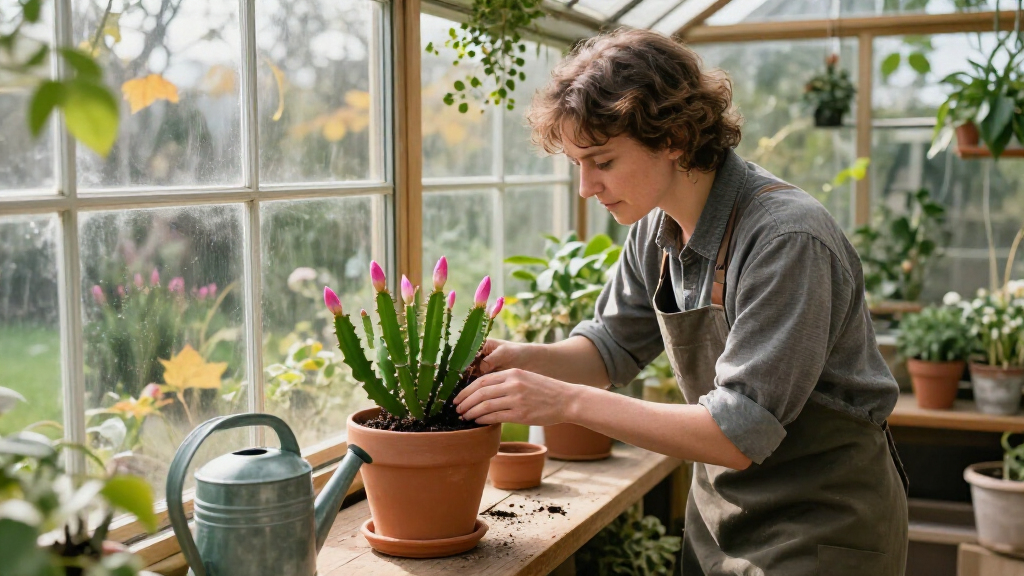
A November gardening guide from Ideal Home outlines five steps intended to encourage Christmas cactus flowering in December: cooler conditions, long uninterrupted nights, reduced watering, no feeding and leaving the plant in place once buds form. The timing and response vary by plant, so December blooms are not guaranteed.
Ideal Home has outlined five care steps for November that plant experts say may help Christmas cacti set buds for December: provide a cooler spot, give the plant long uninterrupted nights, reduce watering, stop feeding and avoid moving it once buds appear. The advice matters to owners hoping for festive flowers, but it does not guarantee a particular bloom date; results depend on the plant and its growing conditions.
The report recommends moving the cactus to a bright, cooler room, away from harsh direct sun and heat sources. Beards & Daisies founder Jo Lambell suggests a temperature of about 10°C to 15°C. Horticultural expert Richard Barker gives a similar range of 12°C to 15°C and says the key is a noticeable temperature drop, rather than an exact reading. Harvst Automatic Watering gardening and greenhouse expert Lucie Bradley says the cooler period should last six to eight weeks.
Light is another part of the recommended routine. Indoor plant expert Luke Deedman says Christmas cacti need around 12 hours of complete darkness each night for about six weeks to set buds. Bradley suggests covering the plant with a box that is large enough not to touch its foliage, then uncovering it in the morning. The dark period needs to be consistent; ordinary room light during the night could interrupt it.
The other steps involve limiting disruption and growth. Barker advises letting the top few centimetres of compost dry between waterings during the rest period, without allowing the compost to become completely dry. Cabin Master gardening expert Melissa Quinney recommends stopping feeding and avoiding repotting in November. Once buds form, she advises keeping the plant in place: sudden changes, drafts or very dry compost can cause buds to drop, she says.
The Routine Behind December Blooms
The advice gives plant owners a practical schedule for the weeks before flowering, when changes to light, temperature and watering are intended to encourage bud formation. Its main takeaway is that bloom timing is shaped by several conditions together, not by a single product or watering trick.
For readers, the steps also point to potential risks of over-caring for the plant. Frequent watering, feeding or moving it after buds appear may disrupt the conditions recommended by the experts. These are horticultural recommendations reported by Ideal Home, rather than a guarantee that every cactus will flower in December.
Products Worth Considering

LEVOIT Vital 200S-P Smart Air Purifier for Large Rooms up to 1875 ft², Quiet 27 dB Operation, AHAM VERIFIDE Certified, Air Quality Monitor,

Philips Hue Play Gradient 65-Inch Smart TV Light Strip

Shark AI Ultra Robot Vacuum with Matrix Clean Navigation, Self-Empty Base, HEPA Filtration, Pet Hair Friendly, Wi‑Fi, Dark Grey
As an affiliate, we earn on qualifying purchases.
Why November Care Matters
Christmas cacti are commonly associated with winter flowering and are often given as seasonal gifts. The Ideal Home report focuses on November because the experts describe bud-setting as a process that can take roughly six to eight weeks. Deedman says short days and cooler temperatures help trigger buds, while Bradley recommends maintaining the cooler conditions over that period.
The advice is not identical on every detail. Experts offer slightly different temperature ranges, and watering guidance is framed around letting the compost surface dry rather than withholding water entirely. The shared points are to provide a clear seasonal change, avoid waterlogging or excessive dryness, and keep conditions stable as buds develop.
“Bright but cool is the sweet spot.”
— Jo Lambell, founder of Beards & Daisies
Bloom Timing Is Not Guaranteed
The recommendations describe conditions that experts say can encourage flowering, but the source does not promise that every plant will bloom in December. It does not provide a success rate or compare the methods in a controlled test. Temperature ranges also differ slightly between the cited experts, and the report does not specify one exact watering schedule for every home or plant.
It is also unclear how a cactus will respond if it has already formed buds, has been exposed to changing conditions, or is kept in a room where the temperature and night lighting cannot be controlled. The advice is to avoid abrupt changes and watch the plant, rather than assume a fixed calendar date will produce flowers.
Watch for Buds and Keep Conditions Steady
Over the following weeks, owners can maintain the cooler setting and nightly dark period while checking the compost before watering. Tiny buds at the stem tips are the sign identified by Quinney that the routine is working. Once buds appear, the report advises against moving the plant or changing its conditions; watering should continue carefully until flowering ends.
The next milestone is whether buds form and open in time for December. If they do, the plant can be moved after the flowers open to a spot where its display can be enjoyed, according to the report. No specific follow-up date or guaranteed flowering outcome is given.
Key Questions
How many hours of darkness does a Christmas cactus need?
Indoor plant expert Luke Deedman recommends around 12 hours of complete darkness each night for about six weeks to help the plant set buds. Consistency matters; a box can be used to block light, provided it does not touch the foliage.
What temperature should I keep it at?
The experts cited recommend a cooler setting. Jo Lambell suggests about 10°C to 15°C, while Richard Barker gives a range of 12°C to 15°C and says a noticeable temperature drop matters more than hitting an exact figure.
Should I stop watering completely?
No. The report advises reducing watering during the rest period and allowing the top few centimetres of compost to dry between waterings, while avoiding letting the compost dry out entirely. Watering should continue once buds appear.
Should I move the plant after buds appear?
The advice is to keep it in the same conditions while buds develop. Sudden changes, drafts or very dry compost may lead to bud drop, according to Melissa Quinney. The report says the plant can be moved after the flowers open.
Source: idealhome.co.uk