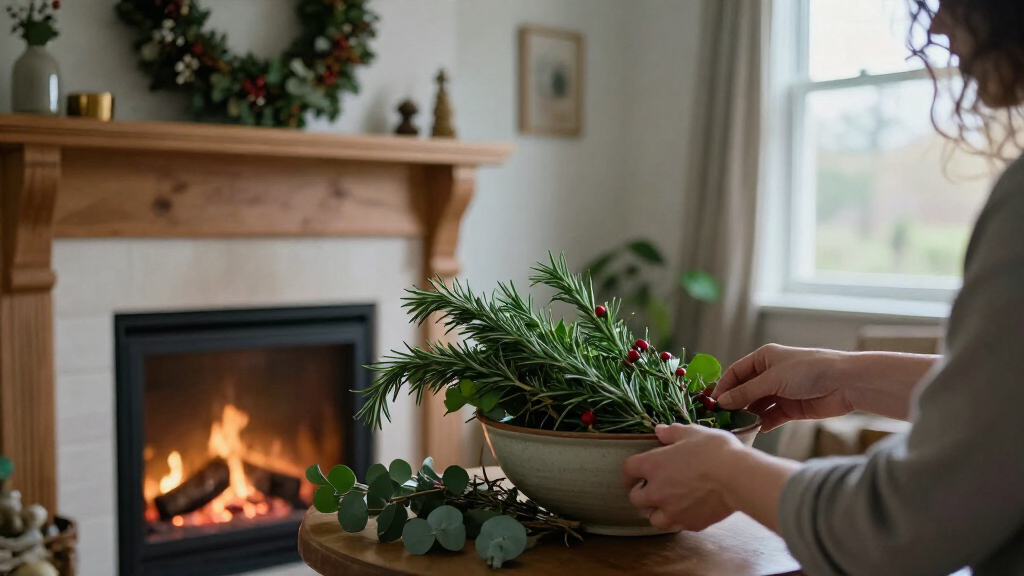

TL;DR
Gardening Know How has published a guide to six plants that can add natural fragrance to holiday rooms, including rosemary, paperwhite narcissus, hyacinths and lemon cypress. The report describes their scents and basic growing requirements; it does not provide comparative evidence that plants scent a room more effectively than candles or other products.
Gardening Know How has published a seasonal guide to six fragrant plants that can bring natural aromas into a home at Christmas, offering alternatives to scented candles, air fresheners and potpourri. The report describes each plant’s scent and care needs, while noting that flowering schedules and indoor conditions affect which choices are practical for the holiday period.

Get garden gear delivered free with Prime
- Fast, free delivery on millions of items
- Prime Video, Amazon Music and more included
- Member-only deals all year
The plants named in the report are rosemary, paperwhite narcissus, hyacinths and lemon cypress, along with two additional selections not fully described in the supplied excerpt. Their fragrances range from the piney, herbal aroma of rosemary to the floral perfume of bulbs and the citrus scent released by lemon cypress foliage. The report presents them as options for adding greenery and fragrance, not as products tested against commercial air fresheners.
Timing is a key difference among the choices. Paperwhite bulbs do not require a cold period and, according to the report, can be forced into bloom in about three to six weeks. Hyacinth bulbs need 10 to 14 weeks of chilling and then another three to four weeks to flower, so the article advises buying pre-planted plants for holiday blooms if bulbs were not started early.
The care guidance varies by plant. Rosemary needs bright light, well-draining soil and watering after the top inch dries. Lemon cypress prefers bright light and cool conditions; its citrus aroma is released when the foliage is brushed or crushed, and its roots should not remain in soggy soil. The report says to keep blooming hyacinths cool to prolong their flowers and gives regional outdoor-growing guidance for some plants.
Choosing Scents That Fit the Season
The guide gives readers a plant-based way to add seasonal fragrance while also bringing living greenery or flowers into holiday décor. Its practical value is less about replacing every scented product and more about matching a plant to available light, room temperature and the time remaining before the holidays.
The timing advice may be particularly useful for shoppers. Paperwhites can be started relatively close to Christmas, while hyacinths generally require planning months ahead unless already chilled or planted. A fragrant plant is not automatically a reliable room scent: the report offers descriptions of aroma, but does not measure fragrance strength or how far it carries through a home.
Products Worth Considering

iRobot Roomba Max 875 Robot Vacuum and Mop

Blueair Blue Signature SP4i Air Purifier for Large Rooms

eufy Security eufyCam C35 4-Camera Kit
As an affiliate, we earn on qualifying purchases.
Bulb Timing Shapes Holiday Options
The article situates its recommendations among familiar holiday houseplants such as Christmas cactus, amaryllis and poinsettia, which are often chosen for their flowers. Its focus is fragrance, including scents beyond traditional pine and spice. Rosemary combines evergreen foliage with a piney aroma, while lemon cypress adds a fresh citrus note and a tree-like form.
For bulbs, the growing calendar matters. Paperwhites can be forced without chilling, while hyacinths require a longer cold period before flowering. The source says paperwhites can be replanted outdoors after blooming in USDA zones 9–11 and hyacinths in zones 4–8. It also describes rosemary as suitable outdoors year-round in zones 8–10, with colder-climate gardeners able to move pots outside in spring and summer.
The supplied source excerpt ends partway through its lemon cypress advice and does not include the names or full descriptions of all six plants. The six-plant framing comes from the report’s title, but the available material supports detailed descriptions of only four selections.
““Think beyond the usual seasonal smells of pine or warming spices.””
— Gardening Know How
What the Plant Guide Leaves Open
The provided material does not identify the other two plants in the six-plant list or supply their care instructions. It also gives no publication date, reported sales data, expert interviews or independent testing. The scent descriptions are presented by Gardening Know How; the source does not quantify how strongly any plant fragrances a room or compare its performance with candles, air fresheners or potpourri.
Indoor results will depend on factors such as plant size, room conditions and care, but the excerpt does not specify expected scent intensity or duration. Readers should also check the full plant guidance before buying, especially where regional hardiness, indoor temperatures or post-flowering care affect whether a plant can be kept beyond the holiday period.
Start Bulbs or Buy in Bloom
For Christmas flowering, readers can start paperwhite bulbs if the three-to-six-week growing window fits their calendar, or seek already planted hyacinths if they have not completed the required chilling period. Anyone planning for a later season can note the report’s advice to chill and plant hyacinth bulbs well in advance; it specifically suggests a September reminder for Christmas blooms.
The supplied article does not announce a follow-up or a new growing trial. The immediate next step for readers is to check the full Gardening Know How guide for the two plant selections and care details missing from the excerpt, then choose plants suited to their home’s light and temperature.
Key Questions
Which fragrant Christmas plants are described in the report?
The supplied excerpt describes rosemary, paperwhite narcissus, hyacinths and lemon cypress. Although the headline promises six plants, the excerpt does not identify the other two.
Which bulbs can still be started close to Christmas?
Gardening Know How says paperwhites can be forced in about three to six weeks and do not require chilling. The schedule depends on when the bulbs are started and the growing conditions.
Can hyacinths be grown for the same holiday season?
The report says hyacinths need 10 to 14 weeks of chilling followed by three to four weeks of growth. It recommends buying pre-planted holiday hyacinths if that preparation time is no longer available.
How does lemon cypress release its fragrance?
According to the report, its citrus scent is released when the foliage is brushed or crushed. The plant needs bright light and cool conditions, and its soil should not stay soggy.
Does the report show that plants scent a room better than candles?
No. The article presents plants as natural fragrance options but provides no comparative testing or measurements of scent strength, reach or duration.
Source: gardeningknowhow.com