TL;DR

Get garden gear delivered free with Prime
- Fast, free delivery on millions of items
- Prime Video, Amazon Music and more included
- Member-only deals all year
A Gardening Know How report describes how Martha Stewart uses dried flowers, seed heads and faded garden blooms in a Halloween display. The approach gives gardeners a way to reuse late-season plant material, though the report does not identify when or where Stewart created the display.
Martha Stewart’s Halloween display uses dried flowers, dark seed heads and late-season garden plants to create an autumn arrangement, according to a report by Gardening Know How. The approach offers gardeners a way to use blooms that might otherwise be cleared away as the growing season ends, with muted colors and a few spooky accents shaping the look.
The report describes an arrangement built from weathered flowers, seed heads and wispy grasses, rather than the familiar combination of pumpkins, plastic spiders and bright orange decorations. It says the plants are set against deep, muted colors, with selected Halloween details such as a skull or skeletal hands. The result is presented as an autumn still life, rather than a conventional brightly colored display.
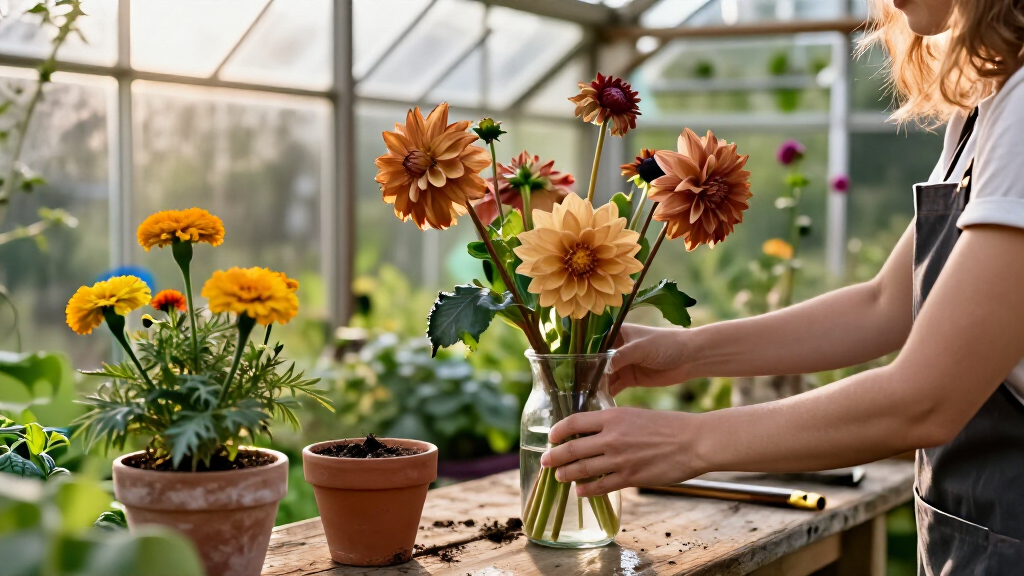
Gardening Know How names several plants that can contribute useful forms and textures. Scabiosa seed heads are delicate, coneflowers leave sturdy cones, and dried alliums retain striking shapes. Ornamental grasses add an airy quality. Faded hydrangeas can shift to green, mauve and brown, while spent dahlias and roses contribute darker tones, the report says.
The piece suggests choosing a handful of interesting stems from plants already in the garden and arranging them indoors. It recommends deep reds, burgundies, browns and muted greens, with a black taper candle as one possible accent. The article also says Stewart has previously embraced seasonal materials such as dried pods and rose hips, but it does not provide a direct quotation from her about this particular display.
A Second Use for Late-Season Blooms
The display makes a seasonal decorating idea from material that can be overlooked during autumn cleanup. Gardeners who already have dried stems and fading blooms may be able to use them without growing plants specifically for Halloween or buying a full set of themed decorations. The article frames the value in their changing shapes and subdued colors, rather than in perfect or freshly cut flowers.
Leaving some plants standing can also have garden benefits, according to the report: seed heads may offer food and shelter for wildlife and provide structure in winter borders. Those benefits depend on the plant and garden conditions, and the article does not suggest that every flower should be left uncut. It advises readers to reconsider what to clear, while recognizing that some plants benefit from deadheading.
Products Worth Considering

Philips Hue Large Smart Light Tube, Black – White and Color Ambiance LED Color-Changing Light – 1 Pack

Samsung 42-Inch S90H OLED 4K Smart TV Bundle

Bose SoundLink Flex Bluetooth Speaker (2nd Gen), Portable Waterproof Speaker, Black
As an affiliate, we earn on qualifying purchases.
From Summer Garden to Halloween Table
The idea builds on a familiar point in the gardening calendar: as summer flowers fade, petals fall and seed heads develop. The Gardening Know How report says those changes can create new visual interest, with stems that look past their peak in a flower bed becoming useful in an indoor arrangement.
The article contrasts this approach with more typical Halloween decorations and describes a palette of burgundy, deep red, brown and muted green. It presents the plants as the main material, with accessories used sparingly. The supplied source does not give a publication date, identify the location of Stewart’s display or include a detailed timeline of her earlier seasonal arrangements.
“The idea is less about finding a perfect black flower and more about bringing together unusual shapes and textures.”
— Gardening Know How
Details of Stewart’s Display
The supplied report does not state when or where Stewart made the arrangement, whether it appeared in a specific post or publication, or which exact plants were used in her display. The plant examples in the article are suggestions for readers; they should not be read as a confirmed inventory of Stewart’s arrangement. No direct statement from Stewart about this display is included in the source material.
The report also does not specify how long the arrangement lasts or offer plant-by-plant guidance on when to leave seed heads standing. Those decisions depend on the species and the needs of an individual garden.
Choosing Stems Before Cleanup
Readers following the report’s advice can look over their gardens before autumn cleanup and select a few dry, sturdy or unusually shaped stems for an arrangement. Scabiosa, coneflowers, alliums and ornamental grasses are among the examples the article names, alongside faded hydrangeas, dahlias and roses. Gardeners should decide which plants to leave outdoors for wildlife or winter structure and which to cut for indoor use.
The source does not announce a forthcoming Stewart event or a scheduled follow-up. Its practical next step is a closer look at the late-season garden: the remaining blooms and seed heads may offer material for Halloween decorating before they are removed.
Key Questions
What is Martha Stewart’s Halloween flower trick?
According to Gardening Know How, the display uses dried flowers, fading blooms, seed heads and grasses, with muted colors and selected spooky accents.
Which garden plants does the report suggest using?
The article names scabiosa, coneflowers, alliums and ornamental grasses, as well as faded hydrangeas, spent dahlias and roses. These are suggestions for readers, not a confirmed list of plants in Stewart’s arrangement.
Does the display require growing flowers specifically for Halloween?
No. The report says gardeners can look to plants they already grew through summer and use interesting shapes and textures from late-season growth.
Why might gardeners leave some seed heads standing?
Gardening Know How says some seed heads can provide food and shelter for wildlife and add structure to borders through winter. Whether to leave a particular plant depends on the species and garden conditions.
Source: rss