
TL;DR
Homes & Gardens reports that leaving ornamental grasses, asters, goldenrod, liatris and other seed-bearing plants standing into winter can give birds a natural food source. Experts quoted in the report advise delaying pruning until late winter or spring, with timing adjusted to local conditions and plant growth.
Homes & Gardens has published advice urging gardeners to leave six seed-producing plants standing in November and through winter, rather than cutting them back, so birds can feed on their seeds and wildlife can find shelter. The report draws on guidance from horticulture and wildlife specialists, while noting that plant choices and pruning schedules depend on location and conditions.

Get garden gear delivered free with Prime
- Fast, free delivery on millions of items
- Prime Video, Amazon Music and more included
- Member-only deals all year
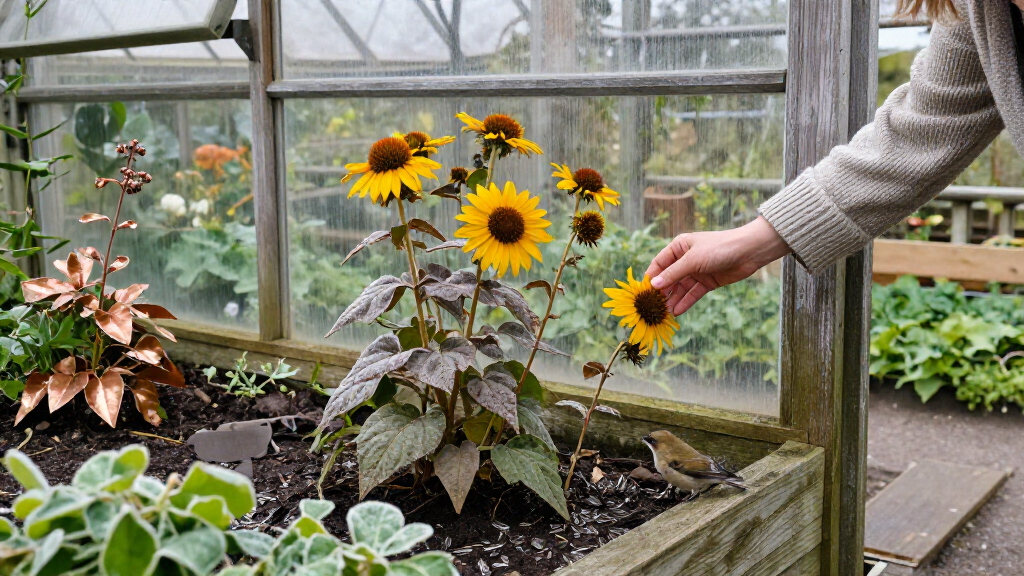
The report identifies ornamental grasses, asters, goldenrod and liatris among plants whose seedheads can feed birds after flowering. It also recommends leaving two further seed-bearing perennials standing: coneflowers and black-eyed Susans. The article’s central advice is to avoid removing spent flowers and grass seedheads in autumn if they can remain standing safely.
Nicole Flowers-Kimmerle, a horticulture educator with University of Illinois Extension, says seed-producing flowers, grasses and berry-producing shrubs provide food at different times and support different bird species. The report lists goldfinches, finches, pine siskins, juncos, sparrows and cardinals among birds observed feeding on seeds from these plants. Its recommendations are not a guarantee that a particular garden will attract those species; local wildlife and planting conditions vary.
For ornamental grasses, the report highlights native choices such as little bluestem, prairie dropseed, switchgrass, Indian grass and sideoats grama. Sam Marshall, an area specialized agent at North Carolina State Extension, says he leaves grasses through winter and early spring, pruning when the first green shoots appear. Flowers-Kimmerle advises cutting goldenrod back in late March or April, which she says also gives beneficial insects sheltering in the plants time to complete their life cycles.
Seedheads Extend Winter Food
Leaving plants standing can add a natural food source to a garden during colder months, when birds may also visit feeders. Different plants produce seeds at different times, so a varied planting can offer a wider range of food than a single species. The report presents this as one way to support wildlife, not as a substitute for all other habitat needs.
The approach also changes the usual autumn cleanup routine: instead of removing every spent stem, gardeners can preserve selected plants until late winter or spring. That can provide cover for insects as well as seeds for birds. The balance is practical as well as ecological: the article does not advise leaving every plant untouched, and gardeners may still need to remove diseased or hazardous material.
Products Worth Considering

TCL 75-Inch Class 4-Series 4K UHD HDR Smart Google TV (75S446, 2022)

Samsung 65-Inch M70H Series 4K Mini LED Smart TV (2026)

LG 55-Inch QNED73B Mini LED 4K Smart TV (2026)
As an affiliate, we earn on qualifying purchases.
Why Autumn Pruning Timing Matters
Many gardens are cleared after flowers fade, but seedheads can remain useful after their ornamental blooms have passed. The Homes & Gardens report says native plants are generally the preferred choices for supporting local wildlife. Which grasses or perennials are suitable depends on regional climate and growing conditions; its examples include different options for northern and warmer areas.
The report also addresses goldenrod’s association with seasonal allergies, saying the similar-looking ragweed is often responsible for symptoms attributed to goldenrod. It recommends growing goldenrod in sunny conditions and relatively lean soil, and cautions against deadheading it in late summer and fall when the goal is to retain seeds. The article’s broader point is to delay pruning rather than remove seedheads before birds can use them.
“Seed-producing flowers, grasses, and berry-producing shrubs each support different bird species and provide food at different times of the year.”
— Nicole Flowers-Kimmerle, horticulture educator at University of Illinois Extension
Local Conditions Shape Results
The report does not quantify how much food the six plants provide or how many additional birds a gardener might attract. Bird visits depend on regional species, existing habitat and plant availability, and the source does not provide a controlled comparison between gardens with and without standing seedheads. Its recommendations should be treated as gardening guidance, not a measured outcome.
Pruning dates are also not universal. The sources describe late-winter or spring timing, but the report does not set one schedule for every climate or plant. It is not clear from the article whether each of the six plants suits every region, so gardeners should check local growing guidance and avoid applying a single calendar date across different climates.
Leave Stems Until Growth Returns
Gardeners following the advice can leave healthy seed-bearing stems and grass heads in place through winter, then inspect plants as temperatures rise. The quoted guidance suggests pruning grasses when new green shoots emerge and cutting goldenrod in late March or April, subject to local conditions. Before removing stems, gardeners can check whether they are still holding seeds or providing shelter.
The report offers no announced follow-up study or formal measurement of the recommendations’ effects. The next practical step is seasonal: observe which plants retain seedheads and which birds use them, then adjust the garden’s planting and cleanup routine for the next year.
Key Questions
Which six plants does the report recommend leaving standing?
The report highlights ornamental grasses, asters, goldenrod, liatris, coneflowers and black-eyed Susans as seed-producing plants that can be left standing into winter.
When should ornamental grasses be cut back?
Sam Marshall of North Carolina State Extension says he leaves grasses through winter and early spring, then prunes when the first green shoots appear. Timing varies by climate and plant.
What birds may eat the seeds?
The report names goldfinches, purple finches, pine siskins, juncos, sparrows, cardinals, chickadees and titmice among birds observed feeding on seeds from the plants discussed. Which species visit a particular garden depends on its location and habitat.
Does leaving seedheads guarantee more birds?
No. The report describes a potential food source but gives no measured increase in bird visits. Results depend on local wildlife, available plants and other habitat conditions.
Source: homesandgardens.com