
TL;DR
A Homes and Gardens report says cordless pruners can speed up repetitive cutting and reduce hand strain, based on a gardener’s experience with a Stihl ASA 20. The tool is not a necessity for every garden: higher cost, added weight, charging and safe handling are trade-offs, and the report’s results are not a controlled comparison.
Cordless pruners may be worth the higher price for gardeners who regularly cut large numbers of stems, according to a Homes and Gardens report based on a professional gardener’s experience with a Stihl ASA 20. The tool’s motorized blades reduced repetitive squeezing and hand strain in that use, but the report says the added cost, weight, charging and safety precautions make the tool unnecessary for many gardeners.

Get garden gear delivered free with Prime
- Fast, free delivery on millions of items
- Prime Video, Amazon Music and more included
- Member-only deals all year
The report’s author, who says they worked as a professional gardener for a decade and still prune extensively at home, tested the Stihl ASA 20 cordless pruners. In one task processing a pile of stems, the author reported making more than 700 cuts in a little over 30 minutes. That is an account of one user’s experience, not a measured comparison with manual pruners under controlled conditions.
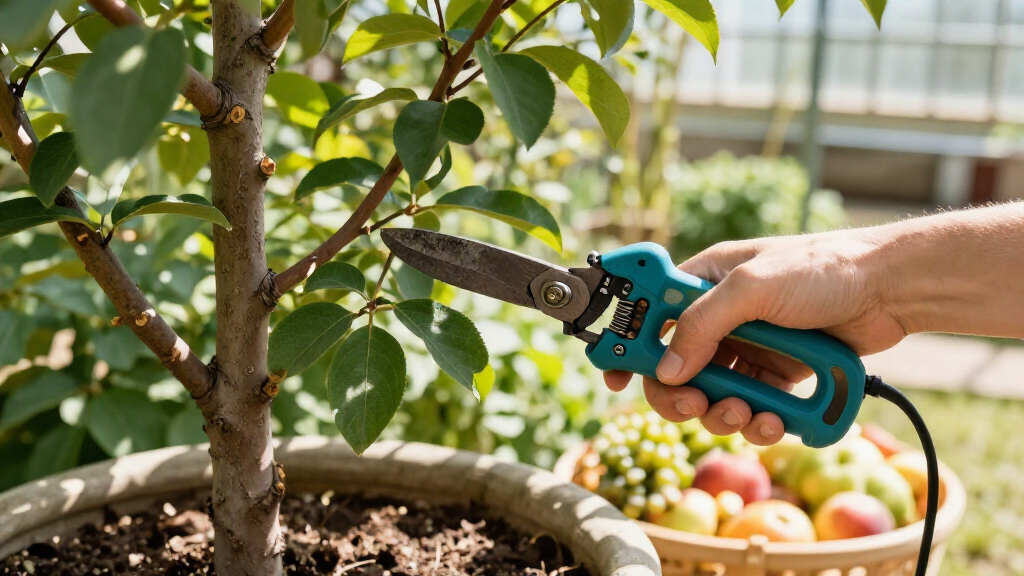
With a motorized model, pressing a trigger operates the blades, avoiding the repeated hand squeeze required by conventional shears. The author said the tool made cutting feel almost effortless and caused no hand discomfort during the test, despite joint issues that can make pruning painful in colder weather. The report says this may make powered pruners useful for people with limited grip strength or joint problems, though it does not establish a medical benefit.
The report also identifies trade-offs. Cordless models cost more than manual tools; the author put the model they used at the equivalent of more than $200, compared with a cited $64 sale price for Felco F2 manual pruners at the time of the report. Powered pruners are larger and heavier, need charging, and may have shorter runtime when cutting harder wood or dense shrubs. Battery condition can also change over time.
Who Benefits From Powered Pruning
The practical case is strongest for gardeners with large, recurring pruning workloads—for example, substantial numbers of roses, shrubs or fruit trees. Replacing repeated hand pressure with a powered cut could help them complete routine jobs faster and with less fatigue. The report’s author says they can imagine the benefit in a walled garden with more than 100 espalier fruit trees, drawing on experience working in such a garden.
For occasional trimming, the same advantages may not justify a purchase. Manual pruners are less expensive, lighter and ready to use without a charged battery. The decision is therefore less about whether cordless tools can cut effectively than whether the user’s volume of work and physical needs outweigh the extra expense and upkeep.
Products Worth Considering

Levoit Core 300S-P Smart WiFi Air Purifier

Levoit Core 600S-P Smart Air Purifier for Large Rooms

Dyson Airwrap i.d. 6-in-1 Multi-Styler and Dryer
As an affiliate, we earn on qualifying purchases.
How the Tool Was Tested
Pruner designs have gradually become lighter, sharper and more ergonomic, according to the report. Cordless models add a motor and battery, allowing the blades to open and close at the press of a trigger rather than relying on the user to squeeze the handles through each cut.
The Homes and Gardens author tested a Stihl ASA 20, which the report says is not available in the United States. It also names other battery-operated models, including the Worx Nitro WG330, Fanttik Y10 Pro and Craftsman V20, with manufacturer or product-listed cutting capacities and battery figures. Those specifications are not independent test results, and the report’s Black Friday price references are tied to the sale at the time it was written, not necessarily current prices.
Limits of the Available Evidence
The report does not provide a controlled side-by-side test measuring cordless and manual pruners on the same material, nor does it give details such as the test conditions behind the 700-cut figure. The extent of any time or fatigue reduction will vary with wood type, branch thickness, workload and user.
It also does not establish typical battery life across models or how long batteries last before replacement. Product capacities and cuts-per-charge figures mentioned in the report are model-specific claims, not a standardized comparison. Prices and promotions may have changed since publication, and the report gives no publication date in the supplied material.
Choosing a Pruner for Your Work
Gardeners considering a cordless model can compare its cutting capacity, weight, battery and replacement costs with the work they do most often. Where possible, handling the tool before buying may help determine whether its added bulk is comfortable. Those who prune only occasionally may find manual shears more practical; frequent pruners can weigh the potential reduction in repeated hand effort against the purchase price and charging routine.
Any powered model requires careful handling. The report warns that the trigger can activate the cutting mechanism with little pressure and that the blades can seriously injure fingers. Users should follow the manufacturer’s operating and safety instructions and keep fingers clear of the blade and trigger until ready to cut.
Key Questions
Are cordless pruners worth buying?
They may be worthwhile for people who prune large numbers of stems regularly or find repeated squeezing difficult. For occasional jobs, the report says manual pruners may be a better-value choice.
Do cordless pruners reduce hand strain?
The report’s author said the motorized tool reduced repeated gripping and caused no hand discomfort during their test. That is a personal account, not evidence that every user will experience the same result.
What are the main disadvantages?
The report lists higher cost, extra weight and bulk, charging needs, and variable battery runtime. Performance can also depend on what is being cut, while batteries may degrade over time.
Are cordless pruners safe to use?
They can cause serious finger injuries if activated accidentally. Keep fingers clear of the cutting head, avoid touching the trigger until ready to cut, and follow the manufacturer’s safety instructions.
Can cordless pruners replace manual shears?
Not necessarily. The report presents them as an alternative for high-volume pruning, while manual shears remain lighter, less expensive and ready to use without charging.
Source: homesandgardens.com