
TL;DR

Get garden gear delivered free with Prime
- Fast, free delivery on millions of items
- Prime Video, Amazon Music and more included
- Member-only deals all year
Country Living has highlighted seven shrubs that can add berries or colorful seed cones to gardens through winter. Its list includes winterberry holly, juniper, chokeberry, snowberry, viburnum, beautyberry and the warm-climate hybrid Pyracomeles; plant size, pollination needs and growing conditions vary.
Country Living has profiled seven shrubs that can bring colorful fruit or berry-like seed cones to gardens in winter, including winterberry holly, juniper and beautyberry. The guide describes differences in pollination, mature size and climate suitability that gardeners should check before choosing plants.
The list covers winterberry holly (Ilex verticillata), junipers (Juniperus species), red chokeberry (Aronia arbutifolia), snowberry (Symphoricarpos species), viburnums (Viburnum species), beautyberries (Callicarpa species) and Pyracomeles, a hybrid described as suited to warm climates. Their winter display ranges from red, gold, white, pink, purple and orange fruit to the blue seed cones produced by some junipers.
The article notes that winterberry holly generally needs male and female plants for fruit production, while many junipers also have separate male and female plants, and some varieties do not produce cones. It advises reading plant descriptions to check pollination requirements. By contrast, its guidance says beautyberry does not need a pollinator to set fruit.
Several selections are presented as practical options for challenging sites or smaller gardens. Red chokeberry is described as tolerant of heat, drought and poor soil, while snowberry is characterized as drought- and deer-resistant and able to grow in poor soil. For compact planting, the guide names winterberry cultivar ‘Berry Poppins’ and says some newer viburnums reach about 5 feet tall and wide; it cautions that other viburnums can grow much larger.
Choosing Berries for Winter Color
Winter fruit can give a garden visual interest after many flowering plants have finished for the season. The guide also points to a wildlife benefit: birds eat fruit from several of the listed shrubs. It specifically says birds favor juniper seed cones and red chokeberry fruit, and that birds like winterberry holly’s berries.
The choices are not interchangeable. A gardener seeking berries may need to plant compatible sexes of holly or certain junipers, while a plant that grows beyond its allotted space can become a poor fit even if its fruit is attractive. Checking pollination details, mature dimensions and local growing conditions can help avoid mismatched purchases and support a more reliable winter display.
Products Worth Considering
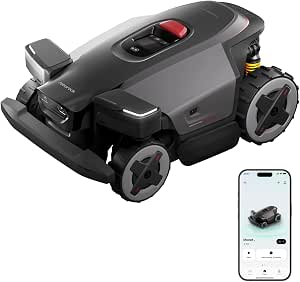
Roborock RockMow X130H Wire-Free 4WD Robot Lawn Mower

LEVOIT Vital 200S-P Smart Air Purifier for Large Rooms up to 1875 ft², Quiet 27 dB Operation, AHAM VERIFIDE Certified, Air Quality Monitor,

Dyson Omni-Glide Cordless Stick Vacuum, Gold/Iron
As an affiliate, we earn on qualifying purchases.
How the Seven Shrubs Differ
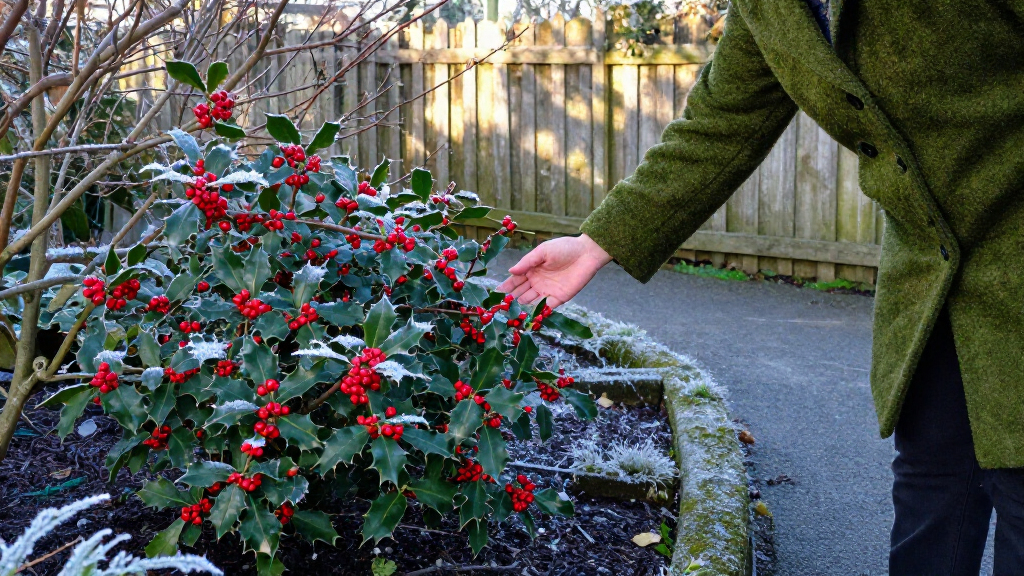
The source is a garden selection guide, not a research study or announcement of a new horticultural finding. It combines plant descriptions and suggested cultivars, with recommendations for different garden needs. Winterberry holly is presented as a native shrub with bright red or pale gold berries; its dwarf cultivar ‘Berry Poppins’ is suggested for more compact spaces.
Other plants offer distinct seasonal features. Red chokeberry has white spring flowers and red autumn fruit, while snowberry’s white or pink fruit stands out against bare winter branches. Viburnums can offer spring flowers and autumn foliage as well as red or blue fruit. Beautyberry is noted for vivid purple berries, and the guide identifies American beautyberry (Callicarpa americana) for Southeastern native gardens. Pyracomeles ‘Berry Box’ is described as producing spring flowers, orange fall fruit and red winter berries.
“Holly needs a male and a female plant to produce berries.”
— Country Living, on winterberry holly
Local Growing Needs Still Matter
The guide does not provide a publication date in the supplied source material, nor does it establish that every named cultivar will perform the same way in every garden. Local climate, soil, light and plant availability can affect how well a shrub grows and fruits. The article gives broad descriptions rather than region-by-region planting instructions or detailed care schedules.
Its wildlife and deer-resistance descriptions are general guidance, not guarantees for every site. The source also does not give specific toxicity information for children or pets. Readers should check reliable local extension or nursery guidance for a plant’s suitability and safety before planting.
Check Labels Before Planting
Gardeners considering one of the shrubs can start by checking the plant label or seller’s description for mature size, hardiness and pollination requirements. For winterberry holly and many junipers, confirm whether a compatible pollinator plant is needed; for viburnums, check the expected dimensions of the specific cultivar.
Local nurseries and extension services can offer advice on site suitability and care. The source article does not announce a follow-up report or a planting deadline, so the next step for readers is to match a shrub to their garden’s conditions and verify details for the variety they plan to buy.
Key Questions
Which shrubs in the guide have colorful winter fruit?
The list includes winterberry holly, red chokeberry, snowberry, viburnum, beautyberry and Pyracomeles. Some junipers also have blue, berry-like seed cones.
Do winterberry holly plants need a pollinator?
According to Country Living, winterberry holly needs male and female plants for berries to form. Check the plant description to confirm the right pairing.
Are juniper berries actually berries?
The blue structures on many junipers are small seed cones, not true berries, the source says. Some varieties produce no cones, and some require male and female plants.
Which selections may suit a smaller garden?
The guide suggests the compact winterberry cultivar ‘Berry Poppins’ and says some newer viburnum cultivars reach around 5 feet tall and wide. Check the specific plant’s mature size before buying.
Are all seven shrubs suitable for every climate?
No. The guide specifically describes Pyracomeles as suited to warm climates, and local conditions can affect other plants too. Check regional growing advice and the plant label for suitability.
Source: countryliving.com