
TL;DR

Get garden gear delivered free with Prime
- Fast, free delivery on millions of items
- Prime Video, Amazon Music and more included
- Member-only deals all year
Lawn care experts recommend five key tasks to repair grass damaged by summer heat. These steps can help homeowners revive their lawns before the end of September, ensuring healthy growth into fall.
Homeowners seeking to restore their lawns after the intense summer heat should focus on five essential lawn care tasks, according to gardening experts. These steps are designed to repair damage, promote healthy growth, and prepare lawns for the upcoming fall season.
Recent observations indicate increased interest in lawn recovery techniques, driven by widespread reports of grass damage due to prolonged high temperatures. Experts emphasize that addressing issues such as soil compaction, thatch buildup, and nutrient deficiencies can significantly improve lawn health. These five tasks include aeration, overseeding, fertilization, dethatching, and proper watering practices.
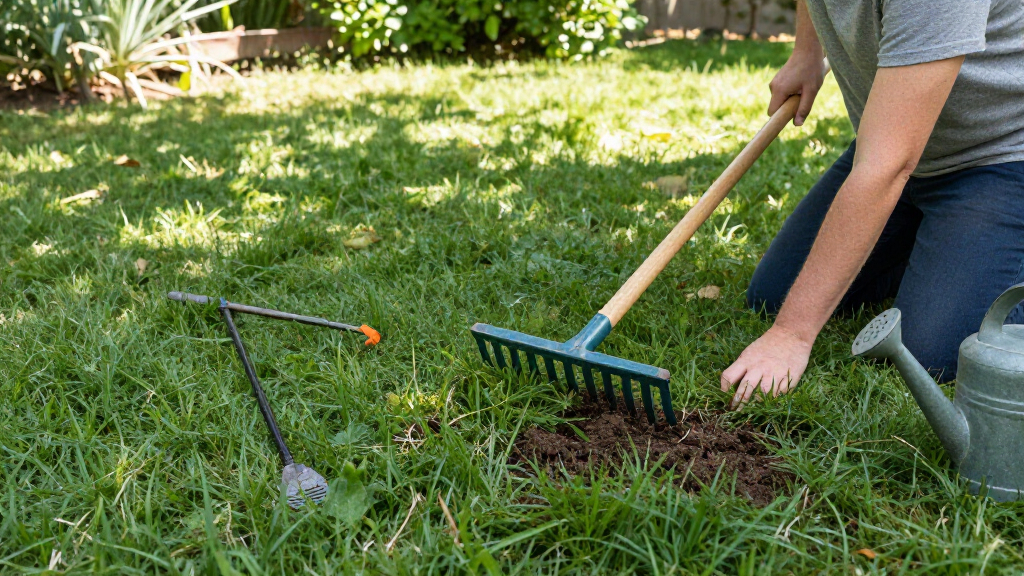
Specifically, aeration involves perforating the soil to improve air and water penetration, which is crucial after summer heat stress. Overseeding helps fill in bare or thin patches, encouraging new, resilient grass growth. Fertilization replenishes nutrients depleted during hot months, supporting recovery. Dethatching removes excess organic material that can hinder water and nutrient absorption. Lastly, adjusting watering habits ensures the grass receives adequate moisture without overwatering, which can cause further stress or disease.
While these recommendations are widely supported by lawn care professionals, it is noted that individual lawn conditions vary, and some homeowners may need tailored advice from local experts. For more tips, see these tough flowers that bounce back after summer stress.
Why Lawn Recovery Matters Before Fall
Reviving lawns after summer heat is important for maintaining curb appeal, preventing soil erosion, and ensuring healthy grass growth into the cooler months. Proper lawn care can also reduce future disease risk and improve overall landscape resilience. For homeowners, a lush, green yard enhances property value and provides a safe, attractive outdoor space for family activities.
Additionally, these recovery efforts can help mitigate the long-term effects of climate stressors, making lawns more resistant to future heatwaves. As interest in sustainable gardening increases, adopting effective, environmentally friendly lawn care practices is becoming more relevant for homeowners aiming to balance beauty with ecological responsibility.
As an affiliate, we earn on qualifying purchases.
Summer Heat and Its Impact on Lawns
Extended periods of high temperatures and drought conditions have caused widespread damage to lawns across many regions. Turfgrass stress manifests as browning, thinning, and increased vulnerability to pests and disease. Experts have observed a surge in searches and inquiries related to lawn repair, indicating a growing concern among homeowners about summer damage.
Historically, lawn recovery involves a combination of cultural practices, with timing being critical. The late summer to early fall window is considered optimal for implementing repair strategies, as cooler temperatures and increased rainfall support grass growth. However, the specific extent of damage varies geographically and depends on grass type, soil conditions, and maintenance history.
While some homeowners have already begun repair efforts, others are still assessing damage or waiting for optimal conditions. The current trend signals a shift toward proactive lawn management to prevent long-term decline.
Uncertainties About Lawn Recovery Timing and Effectiveness
It is not yet clear how effective these five tasks will be across different lawn types and regional climates. Some homeowners may experience variable results depending on soil health, grass species, and existing damage levels. Additionally, weather conditions in the coming weeks could influence recovery success, but specific forecasts are not yet available.
Experts caution that while these steps are generally beneficial, individual outcomes may differ, and some lawns may require additional or alternative treatments. Ongoing research and observation are needed to refine best practices for post-summer lawn repair.
Next Steps for Homeowners and Lawn Care Professionals
Homeowners are encouraged to assess their lawns and begin implementing these five tasks before the end of September. Lawn care professionals will likely continue to monitor recovery progress and may recommend supplementary treatments if necessary. Future updates may include tailored advice based on regional conditions and ongoing weather patterns.
Research into long-term lawn resilience and sustainable practices is expected to expand, providing more precise guidelines for post-heat repair. Meanwhile, homeowners should prioritize timely action to maximize their lawns’ recovery potential this season.
Key Questions
When is the best time to perform lawn repair tasks after summer heat?
The optimal window is typically late summer to early fall, before temperatures drop significantly and before the first frosts in colder regions.
Are there any risks associated with overseeding or aeration now?
Performing these tasks during late summer or early fall is generally safe, provided the weather remains warm and moist. Avoiding overwatering or working during extreme heat is recommended to prevent additional stress.
Can I repair my lawn without professional help?
Yes, many of these tasks can be done by homeowners with basic equipment. However, consulting a lawn care expert can help tailor treatments to specific conditions and ensure better results.
Will these tasks prevent future summer damage?
While they improve immediate recovery, ongoing lawn maintenance and proper watering are essential for long-term resilience against future heat stress.
How long will it take to see results after these lawn care tasks?
Most homeowners can expect to see noticeable improvements within four to six weeks, depending on grass type and weather conditions.
Source: rss
Halloween Picks
halloween
As an affiliate, we earn on qualifying purchases.