
To keep safe around compact pools, always supervise children closely, never leave them unattended, and enforce strict rules like no running or swimming alone. Install a sturdy fence with self-latching gates, and inspect it regularly for weaknesses. Teach kids water safety, keep rescue equipment handy, and maintain good behavior near the pool. Consistent enforcement is key; following these guidelines helps prevent accidents. For more essential safety tips, continue exploring how to keep your pool area secure.
Key Takeaways
- Install a secure, self-closing, and self-latching fence around the pool to prevent unauthorized access.
- Never leave children unattended; always supervise them closely when near or in the pool area.
- Enforce strict safety rules, including no running or swimming alone, and educate children on pool safety.
- Keep emergency equipment like reaching poles and a first aid kit readily accessible and ensure proper usage.
- Regularly inspect and maintain safety barriers, gates, and latches to ensure continued protection.

Are you aware of the safety risks that come with owning a compact pool? Even though these pools are smaller and easier to maintain, they still pose significant dangers, especially to children. The key to preventing accidents is understanding and implementing essential safety measures, starting with vigilant child supervision. You can’t assume that a small pool is safe enough to leave unsupervised for even a moment. Children are naturally curious and often unpredictable, so constant supervision is your best defense against drowning or injuries. Never take your eyes off them when they’re in or near the water, and establish clear rules about pool use. Make sure friends and family know that adult supervision isn’t optional, and set boundaries about where children can go around the pool area.
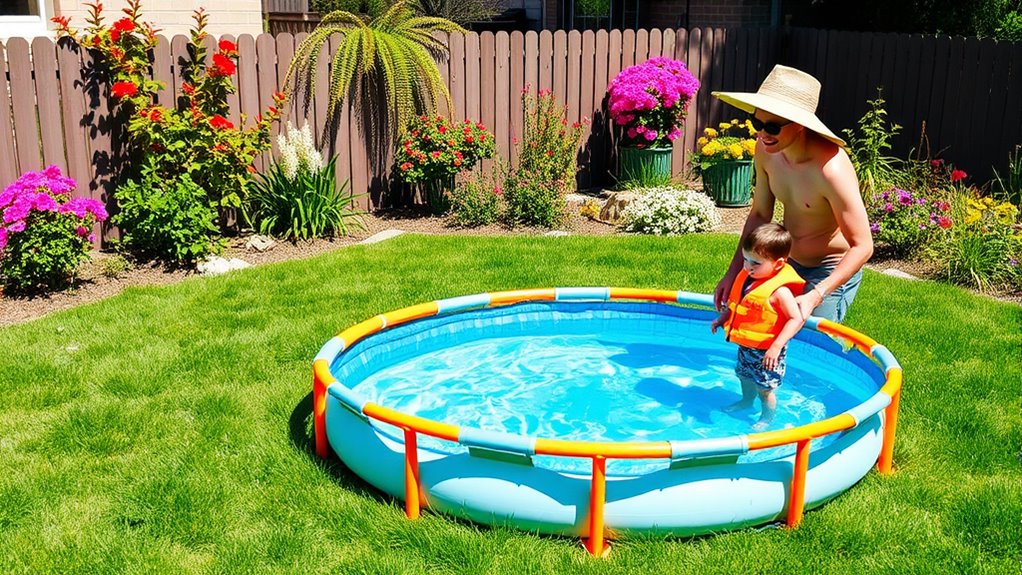
Supervise children at all times around your compact pool to prevent accidents and ensure safety.
Alongside supervision, installing reliable pool fencing is crucial. A sturdy, self-closing, and self-latching fence creates a physical barrier that helps prevent unauthorized or accidental access. Even if your child is well-behaved and understands safety rules, fences provide an extra layer of protection, especially when you’re distracted or busy elsewhere in the yard. Ensure the fencing surrounds the entire pool area, with gates that lock securely. The fence should be tall enough—at least four feet—and designed to prevent climbing. When combined with child supervision, pool fencing significantly reduces the risk of accidental drownings. Remember, safety isn’t just about installing barriers; it’s about maintaining them. Regularly check the fence for any damage or weaknesses, and reinforce gates and latches as needed.
Educating children about pool safety is also essential. Teach them basic rules, such as never swimming alone, not running around the pool, and staying away from the water unless an adult is present. Reinforce that the pool isn’t a play area without rules, and always remind them of the importance of following safety guidelines. If children are old enough, consider enrolling them in swimming lessons to boost their confidence and skills in the water. Additionally, keep emergency equipment nearby, like a reaching pole, life hook, or first aid kit, and make sure everyone knows how to use them.
In essence, owning a compact pool requires proactive safety measures. Child supervision and proper pool fencing are your frontline defenses, but they must be complemented by education, regular safety checks, and responsible behavior. When you stay vigilant and enforce these rules consistently, you help guarantee everyone can enjoy the water safely. Remember, no matter how small the pool, safety should always come first.

iGarden Robotic Pool Cleaner K Series, Cordless Pool Vacuum Robot for Inground & Above Ground Pools, Smart Navigation, Touchscreen, Self-Parking, Cleans Floor, Wall & Waterline, 150 Min
Robust Cleaning Capability: Engineered with a turbine-grade impeller, an optimized flow system, and 3 brushless motors, the cordless...
As an affiliate, we earn on qualifying purchases.
Frequently Asked Questions
What Are the Legal Requirements for Compact Pool Safety?
You must follow legal requirements for compact pool safety, including proper pool maintenance to prevent hazards. Guarantee your pool complies with local regulations, such as installing protective barriers, securing gates, and having safety equipment like life rings or hooks. Regularly inspect your pool to meet legal compliance standards and address any issues promptly. Staying informed about your region’s specific rules helps keep everyone safe and your pool legally compliant.
How Often Should Safety Equipment Be Inspected?
You should inspect safety equipment at least once a month to guarantee proper functioning. Regular pool maintenance helps maintain equipment durability and guarantees safety when needed. Some might think this is excessive, but consistent checks prevent failures during emergencies. By staying vigilant and inspecting safety gear frequently, you ensure it’s always ready to protect you and your loved ones, making your compact pool a safe, enjoyable space all season long.
Are There Specific Age Restrictions for Pool Use?
There are typically age restrictions for pool use, especially for young children. You should always guarantee children are under constant supervision and stay within a safe depth area. Use pool fencing to restrict access when not supervised, and never rely solely on barriers. Keep an eye on kids, especially under age 5, and follow local regulations. These measures help prevent accidents and keep everyone safe around the pool.
Can Pool Covers Prevent Accidental Drownings?
Pool covers can indeed prevent accidental drownings, acting as a sturdy barrier between your loved ones and the water. Different pool cover types, like safety covers and mesh covers, are designed for drowning prevention strategies. They keep children and pets safe when the pool isn’t in use, providing peace of mind. Always make certain covers are properly installed and secured, turning safety into a rhythm you can count on every time.
What Training Is Recommended for Pool Safety Supervision?
You should complete thorough safety training focused on child supervision around pools. This training teaches you how to recognize potential hazards, enforce safety rules, and respond quickly in emergencies. Always stay attentive and actively supervise children whenever they’re near the pool. Remember, consistent child supervision is key to preventing accidents. By staying educated and vigilant, you ensure a safer environment, reducing the risk of drownings and injuries around compact pools.

(2026 Upgrade) WYBOT C1 Cordless Robotic Pool Vacuum for Inground Pools, Above Ground Pool Cleaner 4-in-1 Wall & Waterline Cleaning Up to 1,614sq.ft, 150mins Smart Navigation, App Support
Powerful Suction with Dual Brushes: Built with an upgraded independent water pump motor delivering up to 3,038 GPH...
As an affiliate, we earn on qualifying purchases.
Conclusion
Remember, safety around compact pools isn’t just about following rules—it’s about understanding that even small bodies of water can pose big risks. Some believe that these pools are safer because they’re smaller, but accidents can happen anywhere. Always stay vigilant, supervise children closely, and stick to safety guidelines. By doing so, you’re not only protecting yourself but also proving that safety isn’t size-dependent; it’s a mindset. Stay alert and enjoy your pool responsibly.

WYBOT Pool Vacuum for Inground Pools, 4-in-1 Cordless Robotic Pool Cleaner for Above Ground Pools, Triple-Motor up to 1,614 Sq.ft, Wall & Waterline Cleaning, WiFi & Bluetooth (Gray Green)
Powerful Suction with Dual Brushes: Built with an upgraded independent water pump motor delivering up to 3,038 GPH...
As an affiliate, we earn on qualifying purchases.
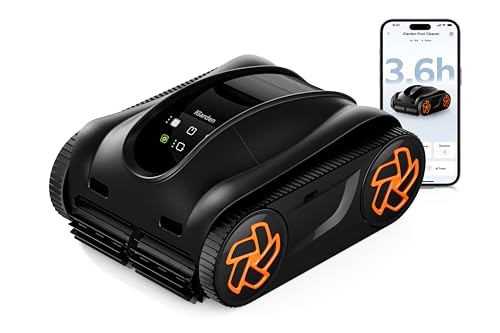
iGarden Robotic Pool Cleaner K Series, Cordless Pool Vacuum Robot for Inground & Above Ground Pools, Smart Navigation, Touchscreen, Self-Parking, Cleans Floor, Wall & Waterline, 220 Min
Robust Cleaning Capability: Engineered with a turbine-grade impeller, an optimized flow system, and 3 brushless motors, the cordless...
As an affiliate, we earn on qualifying purchases.