To keep your swim system safe, make certain all electrical components are properly grounded, following local codes and manufacturer instructions. Use GFCIs on all circuits near water to quickly trip during leaks or faults, preventing shocks. Choose the right breaker size for your system’s load, and opt for weather-resistant models outdoors. Regularly inspect and test your equipment to spot any issues early. Continue exploring to learn how proper electrical setup protects you and your family.
Key Takeaways
- GFCIs detect leakage currents and trip quickly to prevent electrical shocks in water environments like pools and spas.
- Proper grounding of all electrical components ensures safe dissipation of stray currents and prevents shock hazards.
- Select the correct breaker size and type based on the total load and environmental conditions for safe operation.
- Regularly test and maintain GFCIs and breakers to ensure they function correctly and provide ongoing safety.
- Use weather-resistant or marine-grade electrical components to withstand moisture, corrosion, and outdoor conditions.

Understanding the electrical system in your swim setup is essential for safety and performance. When it comes to ensuring your system operates correctly, paying close attention to grounding requirements is critical. Proper grounding helps prevent electrical shock hazards by providing a safe path for stray current to dissipate into the earth. It’s indispensable that all components—pumps, lighting, and other electrical devices—are correctly grounded according to local codes and manufacturer instructions. Neglecting grounding can lead to dangerous situations, especially in wet environments like pools and spas, where the risk of electrical shock increases. Make sure your grounding wires are securely connected and that grounding rods or grounding mats are installed as required. This not only safeguards users but also protects your equipment from electrical faults. Proper grounding is a fundamental safety measure that should never be overlooked.
Another essential aspect of your electrical setup is breaker selection. Choosing the right breaker size and type ensures that your system can handle the load safely without tripping unnecessarily or, worse, failing to trip when needed. When selecting breakers, consider the total electrical demand of all devices in your swim system, including pumps, lighting, and heaters. Overloading a breaker can cause it to trip frequently, interrupting your enjoyment and risking damage to your equipment. Conversely, selecting a breaker that’s too large can compromise safety by not tripping during a fault condition. Use ground-fault circuit interrupters (GFCIs) in all circuits associated with your water features—they are designed to trip quickly if they detect imbalance or leakage currents, preventing shocks. Ensure that the breaker’s trip current rating aligns with the GFCI’s specifications to guarantee protection.
Proper breaker selection also involves considering the environment—moisture and corrosion can affect electrical components over time. You should opt for weather-resistant or marine-grade circuit breakers designed to withstand harsh conditions around pools and spas. Regularly inspecting and testing your breakers and GFCIs is key to maintaining safety. A breaker that trips frequently or a GFCI that doesn’t reset properly may indicate underlying wiring issues or faulty equipment, which should be addressed immediately.

Leviton GFCI Outlet, 15 Amp, Self Test, Tamper-Resistant with LED Indicator Light, Protection from Electric Shock and Electrocution, GFTR1-W, White
Designed to improve immunity for reduced High Frequency (HF) nuisance tripping. providing increased compatibility with appliances and other…
As an affiliate, we earn on qualifying purchases.
As an affiliate, we earn on qualifying purchases.
Frequently Asked Questions
How Often Should GFCI Outlets Be Tested?
You should test your GFCI outlets at least once a month to verify they’re functioning properly. When you press the test button, it simulates a ground fault, and the circuit breaker should trip, cutting power. If it doesn’t, you need to replace the GFCI to protect against electrical shock hazards around your swim system. Regular testing keeps your ground fault protection reliable and ensures safety.
What Are Common Signs of GFCI Failure?
Ever wondered if your GFCI is still reliable? Common signs of GFCI failure include frequent tripping, visible damage, or a persistent inability to reset. If you notice these issues, it’s vital to perform GFCI maintenance promptly to prevent potential electrical hazards. Ignoring these signs can put you at risk of shock or electrical fires. Regular inspections ensure your GFCI functions correctly, keeping your swim system safe and protected.
Can GFCIS Be Installed Outdoors Safely?
Yes, you can install GFCIs outdoors safely, as long as you follow proper procedures. They protect against ground faults, preventing electrical shocks around water and wet conditions. Make certain the GFCI is weather-resistant and installed in a waterproof enclosure. Regularly test it to maintain outdoor safety, especially near pools or spas. Proper installation and maintenance help keep you safe from electrical hazards caused by ground faults outdoors.
What Are the Risks of Improper Wiring in Swim Systems?
Improper wiring in swim systems risks grounding issues and installation hazards, which can lead to electric shocks or equipment damage. When wiring isn’t done correctly, you might encounter faulty grounding, increasing shock danger, especially in wet environments. Additionally, poor connections may cause short circuits or fires. Always guarantee proper wiring practices, use GFCIs, and consult a professional to minimize these risks and keep your swim system safe.
Are There Specific GFCI Models Recommended for Pools?
Think of a pool as a safe haven and a potential hazard at the same time. You should choose a pool-specific GFCI that’s compatible with your system. Look for models labeled for pool use, ensuring GFCI compatibility, to prevent electrical shocks. These dedicated GFCIs are designed to withstand moisture and harsh conditions, providing reliable protection. Always select a model recommended by your equipment manufacturer for maximum safety.
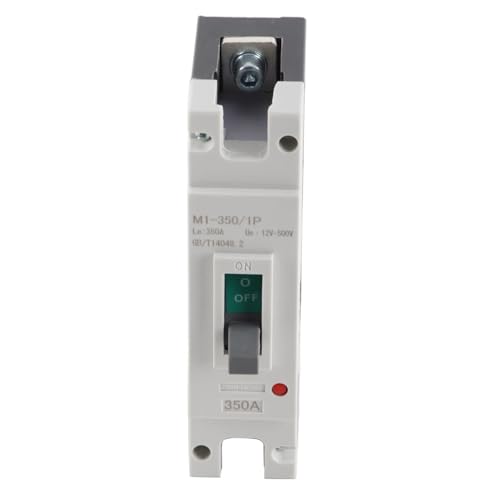
350A Tamper Resistant Weather Proof Circuit Breaker, Electric Circuit Safety Isolating Switch for Electric Vehicle, Professional Workmanship, Resistant Components, Overload
Fine Workmanship: Exquisitely crafted with unique design, ensuring stable and performance for your electric vehicle's circuit system.
As an affiliate, we earn on qualifying purchases.
As an affiliate, we earn on qualifying purchases.
Conclusion
Now that you understand the essentials of electrical safety and GFCIs for your swim system, you might think you’re all set. But remember, a single overlooked detail could turn a safe swim into a dangerous situation. Stay vigilant, keep testing your GFCIs regularly, and never cut corners. The safety of everyone in and around your pool depends on your awareness. Are you truly prepared for what’s lurking beneath the surface? The next step is up to you.

540PCS Marine Grade Heat Shrink Wire Connectors – Sopoby Electrical Connectors Kit of Tinned Red Copper, AWG 22-10 Waterproof Crimp connectors terminals Insulated Ring Fork Spade Butt Splices
MARINE GRADE WIRE CONNECTOR: The Sopoby electrical connectors kit includes AWG16-14 22-18 12-10 3 types gauge, 3 colors…
As an affiliate, we earn on qualifying purchases.
As an affiliate, we earn on qualifying purchases.

MOKIKUBA- Portable Ground Rod – Grounding Pin with Ground Wire Lug | Great for Electric Fences,Antennas,Satellite Dishes,Ground Post Pin,Tie Out Stake (Portable)
Oval-eye ground rod 1/2’’(12mm) diameter and 17.5’’long.Preinstalled with a convenient tinned copper ground wire lug for wires up…
As an affiliate, we earn on qualifying purchases.
As an affiliate, we earn on qualifying purchases.