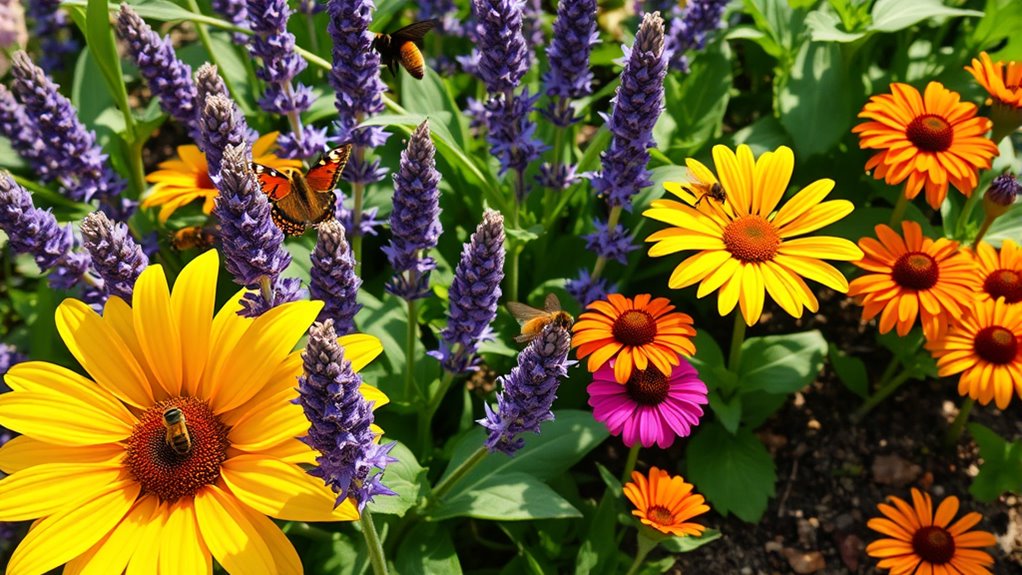
Plant a variety of nectar-rich flowers like lavender, sunflowers, and wildflowers to attract pollinators such as bees and butterflies, which are essential for boosting your veggie yields. Incorporate native and continuously blooming plants to provide a steady food source. Avoid pesticides and create habitats with bee hotels or flowering herbs to support diverse pollinator populations. If you keep exploring, you’ll discover even more ways to harness nature’s pollination powers for healthier, abundant crops.

Get garden gear delivered free with Prime
- Fast, free delivery on millions of items
- Prime Video, Amazon Music and more included
- Member-only deals all year
Key Takeaways
- Plant a variety of nectar-rich, native flowers like lavender, sunflowers, and wildflowers to attract pollinators and boost veggie yields.
- Ensure continuous blooming by staggering flower planting times to provide steady pollen and nectar sources.
- Create habitats such as bee hotels and nesting sites to support diverse pollinator species.
- Avoid pesticides harmful to pollinators and use organic pest control methods to protect beneficial insects.
- Support a range of pollinators, including bees, butterflies, and birds, for comprehensive and reliable pollination.
Have you ever wondered who keeps our gardens blooming and our crops thriving? It’s the busy, essential work of pollinators—bees, butterflies, birds, and even some small mammals—that make it all possible. As a gardener or farmer, understanding pollination techniques can help you enhance your yields naturally. One of the most effective ways to do this is by adopting bee friendly practices that attract and support these indispensable creatures. By creating an environment that encourages pollinators to visit your garden, you’ll see richer blooms and bigger, healthier vegetables.
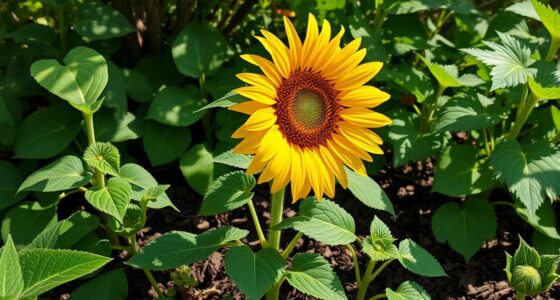
Start by planting a variety of flowers that bloom at different times throughout the growing season. Native plants are especially advantageous because pollinators are already adapted to them. Bright, nectar-rich flowers like lavender, sunflowers, and wildflowers draw in bees and butterflies, providing them with the food they need to thrive. When your garden offers continuous blooms, pollinators have a steady source of nectar and pollen, increasing the chances of successful pollination for your vegetables.
Implementing pollination techniques that work hand in hand with nature can make a significant difference. For example, you might consider hand pollination during times when pollinator activity is low, such as early spring or late fall. However, the most sustainable approach is to create a bee-friendly habitat that encourages natural pollination processes. Avoid using pesticides that harm bees and other beneficial insects, and instead opt for organic methods of pest control. This not only protects pollinators but also ensures healthier produce for you.
Encouraging pollinator diversity is equally important. Different species have varying behaviors and preferences, so attracting a range of pollinators increases the likelihood of thorough pollination. Installing bee hotels or nesting sites can help support native bee populations, especially solitary bees that are often overlooked but incredibly efficient pollinators. Additionally, planting cover crops or flowering herbs like basil, thyme, and cilantro can further boost pollinator visits. Furthermore, fostering a positive mindset towards sustainable gardening can motivate you to adopt more environmentally friendly practices that benefit all pollinators.
As an affiliate, we earn on qualifying purchases.
Frequently Asked Questions
Which Pollinators Are Most Effective for Vegetable Crops?
You might wonder which pollinators are most effective for vegetable crops. The key lies in understanding pollinator behavior and crop-specific pollination needs. Bees, especially honeybees and native solitary bees, excel because they actively forage and transfer pollen efficiently. Bats and butterflies can also be effective for certain crops. By matching pollinator activity to your vegetable crop’s specific pollination requirements, you can maximize yields and guarantee healthy harvests.
How Can I Attract Pollinators to My Garden Naturally?
To naturally attract pollinators, you should focus on native plantings and organic gardening practices. Plant a variety of native flowers that bloom at different times to provide continuous food sources. Avoid pesticides, which can harm pollinators. Create shelter and water sources, and limit lawn chemicals. These efforts encourage bees, butterflies, and other pollinators to visit your garden, boosting pollination and veggie yields naturally.
Do Pollinators Prefer Specific Flower Colors or Shapes?
Ever wonder if pollinators favor certain flower color preferences or flower shape preferences? You might be surprised to learn they do have favorites, but it varies. Bright colors like yellow and purple often attract bees, while butterflies prefer red and orange. Flower shape matters too—tubular flowers suit hummingbirds, while flat, open blooms invite bees and butterflies. To attract the most pollinators, diversify your garden with a range of colors and shapes.
Are There Any Pollinator-Friendly Plants Suitable for Small Spaces?
You’ll find plenty of pollinator-friendly plants suitable for small spaces, especially in container gardens. Consider using companion planting to attract bees and butterflies, like marigolds, lavender, or zinnias, which thrive in pots or small beds. These plants provide nectar and pollen, boosting your veggie yields while fitting into limited spaces. Incorporating colorful, fragrant flowers into your garden creates a welcoming environment for pollinators and maximizes your small garden’s productivity.
How Does Weather Affect Pollinator Activity and Vegetable Pollination?
Weather directly impacts pollinator activity, influencing how effectively they pollinate your vegetables. Climate change impacts, like rising temperatures and unpredictable weather, can disrupt seasonal activity patterns, causing pollinators to emerge too early or too late. This mismatch reduces pollination success. You should monitor weather trends and plant flowers that attract pollinators year-round, helping guarantee your veggies get pollinated despite changing weather and seasonal shifts.
Conclusion
By inviting pollinators into your garden, you become the conductor of a vibrant symphony that boosts your veggie yields. Think of your flowers as the stage, drawing in busy bees and butterflies that work tirelessly to bring your crops to life. With each bloom, you’re planting the seeds for a flourishing harvest, turning your garden into a bustling paradise. Embrace these tiny allies, and watch your veggie bounty grow like a garden in full bloom.
Halloween Picks
halloween
As an affiliate, we earn on qualifying purchases.