
Growing nightshades like tomatoes, peppers, and eggplants benefits from strategic neighbors. Plant basil nearby to repel aphids and whiteflies, while marigolds can deter nematodes and beetles. Dill and fennel attract helpful parasitic wasps that control pests naturally. Avoid planting beans or peas close to tomatoes, as they compete for nutrients. By choosing the right companions, you strengthen your garden’s health and pest resistance—exploring these pairings further can optimize your yields.
Key Takeaways
- Plant basil near tomatoes and peppers to repel pests like aphids and whiteflies.
- Marigolds deter nematodes and beetles, benefiting nightshade crops.
- Fennel can interfere with pollination; avoid planting it close to tomatoes and eggplants.
- Dill attracts beneficial insects that control pests on peppers and eggplants.
- Keep beans or peas away from nightshades to prevent competition and nutrient sharing issues.

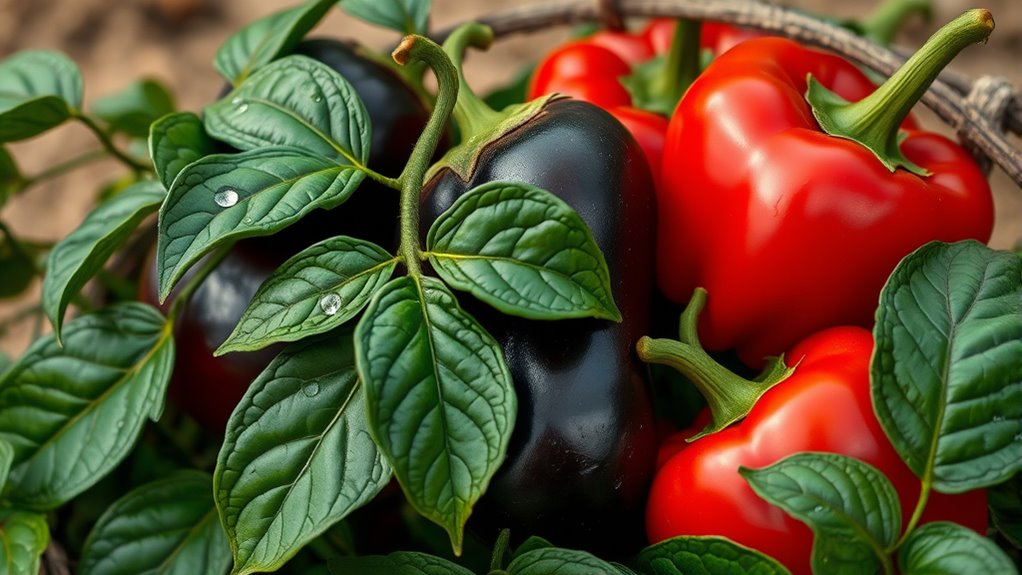
Nightshades, a family of plants that includes tomatoes, potatoes, eggplants, and peppers, often sit quietly in your garden or kitchen, yet they can cause problems for some people. If you’re growing these plants, you might notice they sometimes attract pests or develop diseases more easily. To keep your garden healthy and productive, understanding how to pair nightshades with the right neighbors is essential. Companion planting is a proven strategy to improve pest management and promote plant health. By choosing the right neighbors, you can naturally repel pests, enhance growth, and reduce the need for chemical interventions.
Nightshades can attract pests; companion planting helps keep your garden healthy and pest-free naturally.
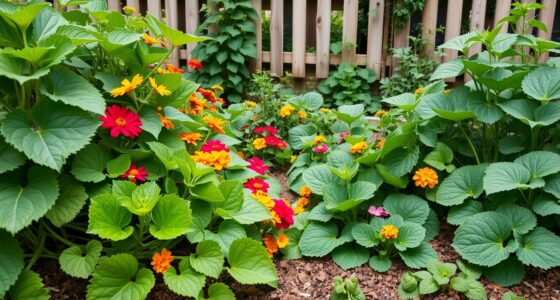
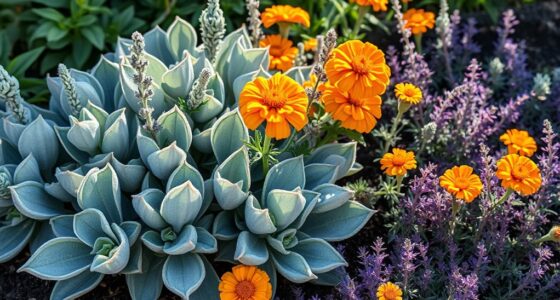
For example, planting marigolds near your tomatoes can be highly effective. Marigolds produce a scent that deters nematodes and certain beetles, making them a natural pest management ally. Similarly, basil is often paired with tomatoes not only for flavor enhancement but also because it can repel aphids, thrips, and whiteflies. The aromatic oils released by basil act as a repellent, preventing pests from settling on your nightshades. When you plan your garden layout, consider these companion plants—they work synergistically to create a pest-resistant environment, reducing your reliance on pesticides.
On the other hand, some plants don’t make good neighbors for nightshades. For instance, planting beans or peas right next to tomatoes can lead to competition for nutrients and space. While not directly harmful, such combinations can hinder growth. Also, avoid planting nightshades with fennel, as it tends to repel beneficial insects and can interfere with pollination. Proper companion planting isn’t just about pest management; it’s also about fostering a balanced ecosystem where each plant supports the other’s growth. Additionally, understanding the Relationships – Personality Test can help gardeners develop better strategies for nurturing their garden communities.
In addition to repelling pests, some companion plants can attract beneficial insects that prey on common pests. For example, planting dill or fennel nearby can attract parasitic wasps that control aphids and caterpillars. These natural pest predators help keep your nightshades healthier without chemical intervention. When planning your garden, think about how these beneficial insects can be encouraged by the right plant combinations. This integrated approach enhances pest management and promotes vigorous growth.
Ultimately, successful companion planting for nightshades involves understanding which plants support your vegetables and which ones may hinder them. By choosing the right neighbors, you create a more resilient garden that naturally manages pests. This strategy allows you to enjoy a bountiful harvest while minimizing chemical use, leading to healthier plants and a more sustainable gardening practice. So, take the time to plan your garden layout thoughtfully—your nightshades will thank you with better growth and fewer pest problems.
Frequently Asked Questions
Can Nightshades Be Safely Grown Indoors?
Sure, you can grow nightshades indoors, but you need to meet their specific light requirements for healthy plants. Indoor gardening requires placing them near bright, direct sunlight or using grow lights to mimic natural light. Keep in mind that tomatoes, peppers, and eggplants thrive with ample light, so guarantee your space provides enough to promote growth. With proper care and light, indoor nightshade gardening is definitely achievable.
What Are Alternative Companions for Nightshade Plants?
Did you know that choosing the right companion plants can boost your nightshade crops’ health by up to 25%? For effective companion planting, consider herbs like basil and marigolds, which help with pest management. Beans and carrots also make good neighbors, enriching soil and deterring pests. These alternatives support your garden’s balance, promoting healthier nightshade plants without relying solely on traditional companions.
How Do Nightshades Affect Nearby Non-Plant Garden Elements?
Nightshades can influence nearby garden elements through soil interactions and pest attraction. They may release compounds that alter soil chemistry, affecting the growth of other plants. Additionally, they attract pests like aphids and beetles, which can spread to neighboring plants, causing issues. To minimize these effects, consider proper spacing, crop rotation, and pest management strategies, ensuring your garden stays healthy and productive while avoiding negative impacts on non-plant elements.
Are There Organic Methods to Deter Pests on Nightshades?
Imagine a garden where pests are kept at bay without chemicals—your goal. Organic pest control methods, like introducing beneficial insects or applying neem oil, act as natural deterrents against common pests. Companion planting with herbs such as basil or marigolds also confuses insects and repels them. These natural deterrents create a healthy, thriving environment, ensuring your nightshades stay healthy without resorting to synthetic pesticides.
What Are the Signs of Nightshade Plant Diseases?
You’ll notice signs of nightshade plant diseases like leaf spot, which causes dark, concentric rings on leaves, and blossom end rot, showing as dark, sunken spots on fruit tips. Keep an eye out for wilting, yellowing leaves, or mold. Early detection helps you manage issues effectively. Regularly inspect your plants, maintain proper watering, and guarantee good airflow to prevent these common diseases.
Conclusion
Now that you understand how nightshades and their neighbors work together, you’re ready to cultivate a vibrant, harmonious garden. Think of your plants as allies in a grand quest, much like the knights and wizards of legend—each one playing a crucial role. By nurturing these companions, you’ll enjoy bountiful harvests and a garden full of life. Remember, even in this modern age, the magic of nature’s teamwork remains timeless and true.