TL;DR
In 2026, backyard outdoor living is booming with five key trends, including sustainable features and smart technology. These developments reflect increased consumer investment and evolving preferences.
Investors and homeowners are increasingly prioritizing outdoor living spaces in 2026, with five major trends driving this outdoor living shift. These trends reflect a broader move toward sustainable, technologically integrated, and multifunctional backyard designs, making outdoor spaces a key area of investment this year.
According to recent industry reports, the five biggest backyard trends of 2026 include a surge in eco-friendly landscaping and durable, sustainable materials; the integration of smart technology for lighting, irrigation, and entertainment; the rise of multi-purpose outdoor rooms that serve as kitchens, lounges, and workspaces; the emphasis on low-maintenance and drought-resistant plants; and the growing popularity of outdoor wellness features such as heated pools, spa areas, and meditation gardens.
Market analysts note that consumer spending on outdoor renovations has increased significantly this year, driven by a desire for enhanced lifestyle experiences and increased home value. Experts also highlight that these trends are supported by advancements in outdoor construction materials and technology, making these features more accessible and durable.
Investing In Outdoor Living
Five backyard trends are reshaping the home beyond its walls. Sustainability, smart systems, flexible rooms, resilient planting and wellness amenities are turning outdoor space into a lifestyle asset—and a serious investment category.
The backyard becomes a high-performance extension of home
Outdoor living has evolved from a patio-and-furniture purchase into an integrated design decision. In 2026, homeowners are directing attention toward environments that entertain, restore, conserve resources and adapt to changing routines.
Sustainable materials
Durable surfaces, permeable hardscaping, reclaimed materials and water-conscious landscape plans reduce waste while supporting long service life.
Smart technology
Automated irrigation, app-controlled lighting, outdoor audio and responsive energy management make backyards easier to operate.
Multi-purpose rooms
Kitchens, lounges, dining zones and sheltered workspaces are designed as connected rooms with distinct functions and shared infrastructure.
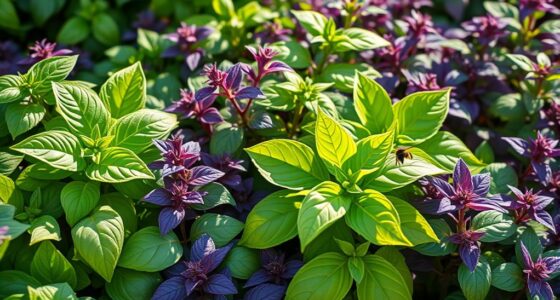
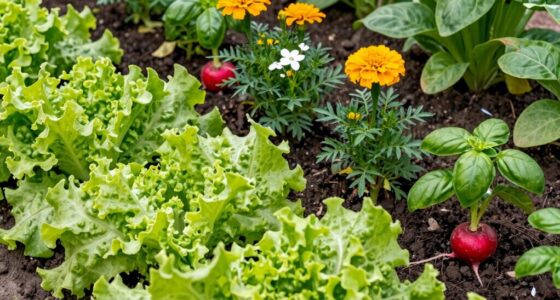
Low-maintenance planting
Drought-resistant, native and regionally appropriate plants help limit watering, replacement and seasonal maintenance. The result is a landscape that looks intentional without demanding constant intervention.
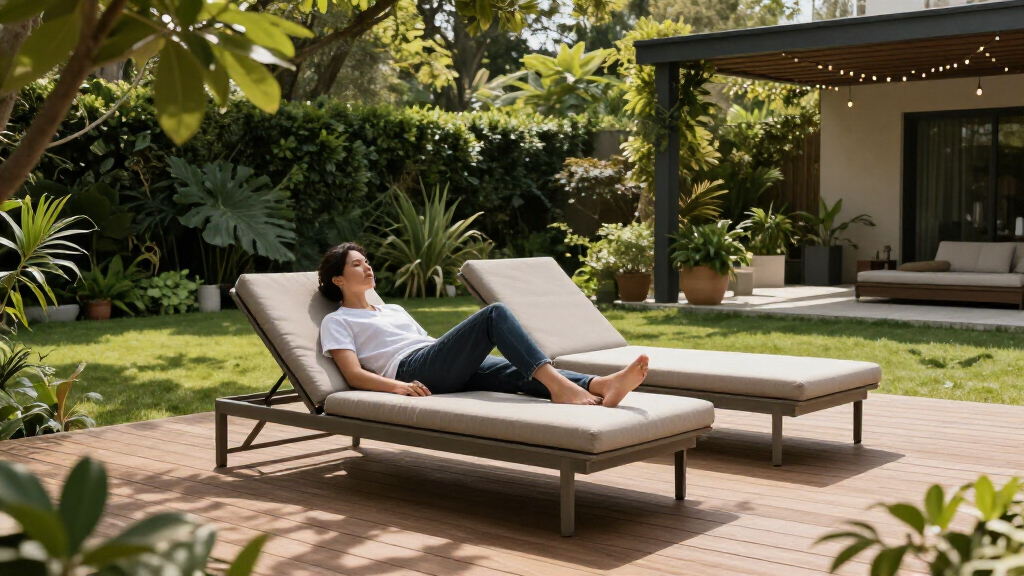
Outdoor wellness
Heated pools, compact spa zones, meditation gardens and quiet sensory spaces reflect a broader focus on recovery, movement and time outdoors.
Each trend creates value in a different way
The right mix depends on climate, budget and how frequently the space will be used. Broad usefulness and sensible operating costs generally strengthen an improvement’s appeal.
| Backyard trend | Everyday utility | Lower upkeep | Tech dependency | Typical investment | Long-term appeal |
|---|---|---|---|---|---|
| Sustainable materials | ✓ High | ✓ High | ✗ Low | ~ Medium | Strong durability case |
| Smart technology | ✓ High | ~ Varies | ✓ High | ~ Medium | Best with open systems |
| Multi-purpose rooms | ✓ Very high | ~ Medium | ~ Optional | ✗ Higher | Broad household appeal |
| Resilient planting | ✓ High | ✓ Very high | ✗ Low | ✓ Accessible | Climate-dependent |
| Wellness features | ~ Lifestyle-led | ✗ Lower | ~ Varies | ✗ Higher | Premium experience |
Consumers are buying experiences, not just improvements
The 2026 market signal points toward outdoor projects that improve day-to-day living while supporting property appeal. Builders, landscapers and technology providers all participate in the expanding value chain.
How a backyard feature becomes an investment story
The strongest outcomes connect a real household need to a durable solution, measurable use and broader market appeal.
Outdoor living can begin with planting and water efficiency, then scale toward construction-heavy entertainment and wellness zones.
A market with value on three sides
More useful square footage
Thoughtful outdoor rooms expand where people cook, gather, work and recover without requiring a conventional interior addition.
Stronger buyer appeal
Current, well-maintained features can help a home stand out when they suit regional expectations and do not create excessive upkeep.
New service opportunities
Demand reaches builders, landscape designers, irrigation specialists, connected-device providers and maintenance professionals.
Promising direction, with important variables still unresolved
What remains uncertain
Adoption will not be uniform. Climate, local water rules, lot size, labor costs and buyer expectations can materially change which investments make sense.
- New-build adoption may differ from renovation demand.
- Some connected products still need durability proof.
- Maintenance and subscription costs can affect value.
- Regional conditions will shape plant and material choices.
What comes next
Through the end of 2026 and beyond, product development is expected to emphasize sustainable materials, better automation and more personalized health-oriented spaces.
- Smarter water management and responsive irrigation.
- Longer-lasting, lower-impact construction materials.
- Modular rooms that adapt to changing household needs.
- Wellness features designed for smaller footprints.
Companion buying guides
Why These Backyard Trends Matter for Investors and Homeowners
These trends are significant because they reflect a shift in consumer priorities towards sustainable, high-tech, and multifunctional outdoor spaces. As a result, investment in outdoor living can boost property value and appeal, especially as homeowners seek personalized and eco-friendly environments. The growing market for outdoor features also indicates economic opportunities for builders, landscapers, and technology providers.
As an affiliate, we earn on qualifying purchases.
Evolution of Outdoor Living in the 2020s
Over the past few years, outdoor living has transitioned from simple patios to sophisticated, integrated spaces. The COVID-19 pandemic accelerated this shift, with more people investing in their home environments. In 2026, these developments are continuing, with a focus on sustainability, technology, and wellness, driven by consumer demand and innovations in outdoor products.
“Homeowners are looking for outdoor spaces that serve multiple purposes, from entertainment to wellness, which is reflected in the rising investments this year.”
— home improvement expert
Unconfirmed Aspects of 2026 Outdoor Living Trends
While the overall trends are clear, it remains uncertain how quickly these features will become standard in new builds versus renovations. Additionally, the long-term durability and cost-effectiveness of some high-tech outdoor solutions are still being evaluated, and regional variations in climate and market demand could influence adoption rates.
Future Developments in Outdoor Living Investments
Industry experts anticipate continued innovation in outdoor materials and technology, with upcoming products focused on further sustainability and automation. Market analysts expect that by the end of 2026, outdoor living investments will expand into more personalized and health-oriented features, with increased consumer awareness driving demand for eco-friendly and smart solutions.
Key Questions
What are the most popular outdoor features in 2026?
The most popular features include sustainable landscaping, smart lighting and irrigation, multi-purpose outdoor rooms, low-maintenance plants, and wellness amenities like heated pools and meditation gardens.
Are these trends affordable for average homeowners?
While some high-tech and luxury features may be costly, many trends, such as drought-resistant plants and durable materials, are becoming more accessible and affordable due to technological advances and increased market competition.
How are these trends affecting property values?
Investments in modern outdoor spaces tend to increase property appeal and market value, especially when features align with current consumer preferences for sustainability and wellness.
Will these outdoor trends continue beyond 2026?
Many of these trends are expected to persist and evolve, driven by ongoing innovations in outdoor technology and increasing consumer focus on outdoor lifestyle enhancements.
Source: rss