A rewarding outdoor space is more than a collection of plants. It is a living system that connects gardening, greenhouse growing, practical maintenance, comfortable furnishings, and places to cook or gather. Whether you have a large backyard, a compact patio, or a few productive windowsills, the best approach begins with the same question: how do you want the space to serve you?
This guide provides a starting point for creating an outdoor environment that is attractive, manageable, and suited to your routines. It covers the foundations of garden planning, protected growing, plant care, pest management, outdoor cooking, and small-space living. Use it to identify your priorities, then follow the linked guides for deeper help with particular tools and products.
Begin With a Practical Outdoor-Living Plan
Before choosing plants or equipment, observe the space you already have. Note where sunlight falls throughout the day, where water accumulates after rain, and which areas are exposed to wind. Pay attention to how you naturally move between the house, garden, seating areas, storage, and outdoor cooking space. These patterns will help you create zones that feel connected rather than improvised.
Most garden and outdoor-living plans benefit from several distinct functions:
- A growing zone for beds, containers, or greenhouse crops
- A working zone for potting, tool storage, and garden maintenance
- A relaxing zone with suitable seating and shade
- A social or dining zone for meals and entertaining
- Clear routes that make watering, harvesting, and cleaning easier
You do not need to build every zone at once. Start with the function that will improve your daily life most, such as a sunny herb garden, a dependable watering setup, or a comfortable place to sit. Adding one well-planned element at a time usually produces a more coherent space than buying unrelated items without an overall direction.

Suncast 22 Cu Ft, Vertical Storage Shed, Pad-Lockable Double Doors, Stoney
- Vertical Outdoor Storage: Ideal for garden tools and outdoor gear
- Durable Multi-Wall Panels: Robust resin for strength and weather resistance
- Resistant Design: Water and UV resistant for up to 10 years
As an affiliate, we earn on qualifying purchases.
As an affiliate, we earn on qualifying purchases.
Build a Garden Around Its Growing Conditions
Healthy gardens begin with appropriate plant placement. Full-sun plants need a location that receives sustained direct light, while shade-tolerant varieties can make better use of protected corners. Soil drainage, seasonal temperature changes, local rainfall, and wind exposure are equally important. Choosing plants that fit these conditions reduces the amount of intervention required later.
Improve the Soil Before Expanding
Soil influences drainage, root development, nutrient availability, and water retention. Before establishing a large bed, learn whether your soil is predominantly sandy, silty, clay-heavy, or loamy. Organic matter can improve the structure of many soils, but amendments should respond to an actual need. When you are uncertain about fertility or pH, a soil test offers a more useful basis for decisions than guesswork.
Mulch can moderate soil temperature, reduce evaporation, and limit weed growth. Keep it away from direct contact with plant crowns, stems, and tree trunks, where excess moisture can create problems. Replenish organic mulch as it breaks down, and avoid burying established roots beneath unnecessarily deep layers.
Choose Beds, Containers, or Both
In-ground beds can support larger planting schemes and make use of existing soil. Raised beds offer more control over the growing medium and may be easier to access. Containers provide the greatest flexibility, especially on balconies, decks, and rented properties. They can be moved to respond to changing light or weather, although their limited soil volume means they may dry out more quickly.
For gardeners who struggle to maintain consistent container moisture, self-watering designs can reduce some of the day-to-day uncertainty. The guide to the best self-watering pots, including their pros and cons, can help you compare this approach with conventional planters.
Use a Greenhouse to Extend Your Growing Options
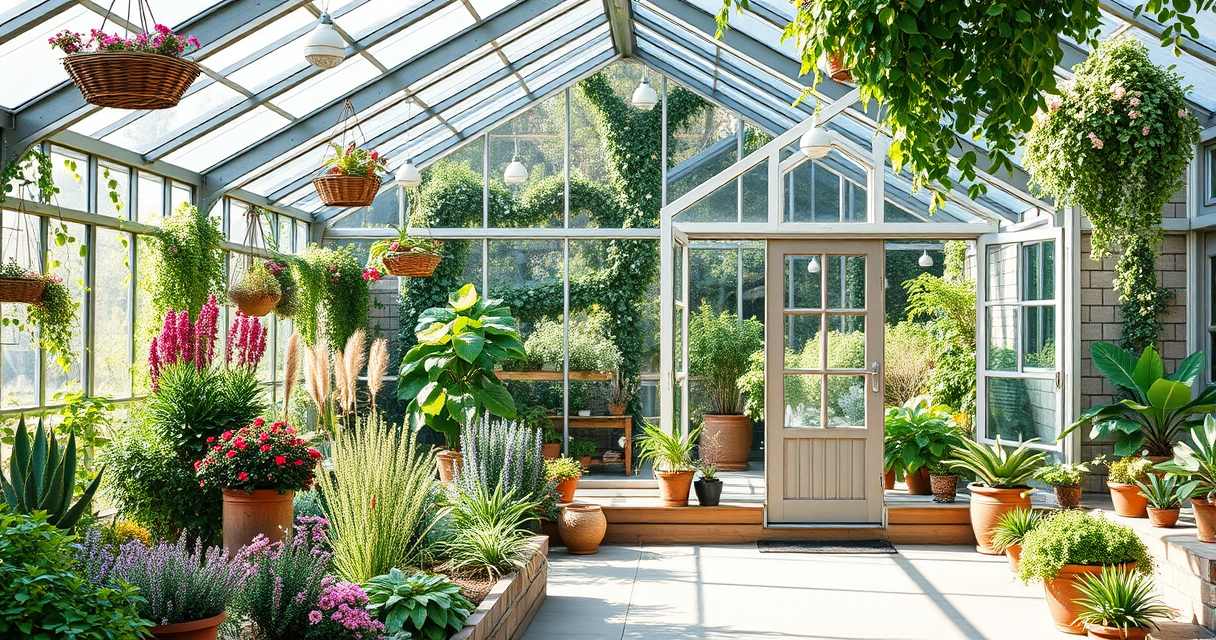
A greenhouse creates a protected growing environment, but it is not automatically warm, humid, or maintenance-free. Its performance depends on the structure, glazing, ventilation, orientation, and local climate. Even an unheated greenhouse can shelter seedlings and crops from wind or heavy rain, while a more controlled setup may support propagation and a longer growing season.
Manage Heat and Ventilation Together
Solar gain can raise greenhouse temperatures quickly. Roof vents, side vents, open doors, shade cloth, and fans may all contribute to temperature management. Ventilation also affects humidity and air movement, which matter because persistently stagnant, damp conditions can encourage plant-health issues.
Use a thermometer to understand what happens inside the structure rather than relying on outdoor conditions. Check temperatures at different times of day, particularly during seasonal transitions. If you use heaters, fans, irrigation equipment, or electrical controls, select components appropriate for the environment and follow relevant installation and safety guidance.
Plan Greenhouse Watering Carefully
Plants under cover do not receive dependable rainfall, so watering becomes entirely your responsibility. Grouping plants with similar moisture needs makes the routine easier. Trays, drip lines, capillary systems, and reservoirs can all be useful, but every system still needs inspection for blocked outlets, leaks, algae, and uneven delivery.
The same principle applies to plants grown inside the home. If travel, busy schedules, or a large collection makes hand-watering difficult, compare the best automatic indoor plant watering systems. Consider reservoir capacity, the number of plants, and differences in plant moisture needs before choosing a setup.
Create a Watering Routine That Supports Strong Roots
Effective watering is about more than frequency. Plant type, root depth, weather, soil texture, container size, and growth stage all influence demand. Newly planted specimens generally require closer attention while their roots establish, whereas mature plants may be able to draw moisture from a larger soil volume.
Check the soil rather than watering only by the calendar. A dry surface does not always mean the root zone is dry, and damp-looking soil may still be unevenly hydrated. Watering deeply enough to reach active roots can be more useful than repeated light sprinkling, though containers and seedlings often need a different rhythm.
- Water during cooler parts of the day when practical.
- Direct water toward the soil rather than routinely soaking foliage.
- Group containers according to similar watering requirements.
- Inspect hoses, emitters, reservoirs, and connectors for failures.
- Adjust the routine after rain, heat waves, and seasonal changes.
Automation can add consistency, but it should not replace observation. Timers cannot always account for an unexpected storm, a blocked dripper, or a plant whose needs have changed. Treat automated watering as a tool within a wider care routine.
Manage Garden Pests as Part of the Ecosystem
Not every insect or visiting animal is a pest. Gardens support pollinators, predators, decomposers, birds, and other wildlife, many of which contribute to a balanced ecosystem. Before acting, identify what is causing the damage and decide whether the level of harm justifies intervention.
Start With Prevention and Monitoring
Healthy plants placed in suitable conditions are often better equipped to tolerate minor damage. Clear severely diseased debris, rotate annual crops when feasible, avoid overcrowding, and inspect the undersides of leaves. Physical barriers, hand removal, traps, habitat adjustments, and targeted treatments can then be considered according to the specific problem.
Ultrasonic and solar-powered devices are marketed as a low-contact option for deterring certain visitors, but suitability depends on the pest, site, placement, and surrounding conditions. If you are considering this category, review the best solar ultrasonic pest repellers alongside other control methods rather than treating any single device as a universal solution.
Avoid broad interventions when a narrow response will do. Check labels, protect beneficial species, and follow local guidance when using any pest-control product. If damage is extensive or the cause is unclear, advice from a local extension service or qualified professional may prevent ineffective treatment.
Design Outdoor Areas for Cooking and Gathering
An outdoor cooking space should make preparation, cooking, serving, and cleanup flow naturally. Position it on a stable surface with appropriate clearance from structures and combustible materials. Consider smoke direction, lighting, ventilation, fuel storage, and access to the kitchen. Manufacturer instructions and local fire rules should guide the final location.
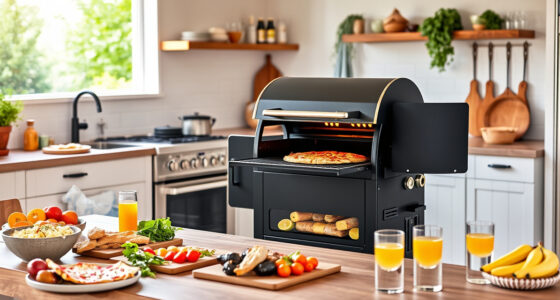
Grill selection begins with how you actually cook. Think about available space, preferred fuel, typical group size, maintenance expectations, storage, and which cooking methods matter to you. Buyers planning a more elaborate entertaining area can explore the best high-end outdoor grills for luxury and performance while keeping installation and long-term upkeep in view.
Make Seating Flexible
Arrange seating to support both conversation and comfortable movement. Dining chairs serve meals well, while lounge seating encourages longer, less formal use. Flexible pieces can help a patio adapt between quiet mornings and larger gatherings. Include shade where necessary and choose materials based on exposure, storage options, and the maintenance you are willing to perform.
Outdoor living can also influence the rooms immediately inside the house. Compact furniture preserves circulation when a sunroom, garden room, or small living area must serve several purposes. The guide to wall-hugger recliners for small spaces offers ideas for adding comfortable seating without requiring the clearance of a traditional reclining layout.
Make Small Spaces Work Harder
A balcony, courtyard, or narrow patio can still combine growing, storage, work, and relaxation. The key is to use vertical surfaces and select elements with more than one function. Trellises, wall planters, shelves, hanging baskets, and compact containers can expand growing capacity while preserving floor space.
Keep access in mind when building upward. Every pot still needs to be reached for watering, pruning, inspection, and harvest. Confirm that railings, walls, and mounting hardware can support the intended load, including the weight of wet soil.
A fold-down surface can become a temporary potting bench, seed-starting station, planning desk, or place to organize garden records. Browse these foldable wall-mounted desks for small rooms for compact-space inspiration, while checking whether a particular design is suitable for the location where you intend to use it.
Maintain Tools, Surfaces, and Garden Structures
Routine maintenance protects both the appearance and usefulness of an outdoor space. Clean soil from hand tools, inspect handles and fasteners, and store equipment away from prolonged dampness. Pruners and cutting tools work more effectively when they are clean, sharp, and appropriate for the material being cut.
Greenhouse panels, shelves, pots, furniture, and food-preparation surfaces have different cleaning requirements. Start with the manufacturer’s instructions and test unfamiliar products on an inconspicuous area. The roundup of all-purpose natural cleaners can help with general household and garden-room cleaning decisions, but food-contact surfaces and delicate materials may require specific methods.
Small repairs can extend the useful life of labels, decorations, storage pieces, and craft-based garden accessories. For suitable projects, the comparison of the best hot glue guns explains available options. Hot glue is not appropriate for every material, structural repair, or high-heat outdoor location, so match the adhesive and tool to the job.
Develop a Seasonal Garden Rhythm
Gardens change continuously, and maintenance is easier when tasks follow that cycle. Early in the growing season, focus on planning, soil preparation, sowing, propagation, and irrigation checks. During active growth, monitor water, weeds, pests, supports, and harvests. Later in the season, clean up declining annuals, protect vulnerable plants, collect useful records, and prepare structures for colder or wetter weather.
A simple garden journal can track planting dates, varieties, harvests, frost events, pest appearances, and watering changes. Photographs taken from the same positions reveal how beds fill out over time. These records turn each season into practical information for the next one.
Create an Outdoor Space You Can Sustain
The most successful garden is not necessarily the largest or most elaborate. It is one that fits the site, the gardener’s available time, and the way the household wants to live. Reliable watering may matter more than adding another bed. Comfortable seating may encourage you to enjoy the garden more often. Better storage may make every maintenance task easier.
Choose improvements that solve a real problem, observe how they perform, and adjust before expanding. By connecting thoughtful growing practices with greenhouse management, responsible pest control, useful tools, and welcoming outdoor areas, you can create a space that remains enjoyable through changing seasons and changing needs.