
TL;DR
A Gardening Know How report outlines five November tasks for preparing hydrangeas for winter, including protecting flower buds, watering when soil is dry and insulating roots. The appropriate care depends on hydrangea type, local climate and soil conditions; the supplied report details only the first two tasks.
Gardening Know How has published November care advice urging gardeners to identify their hydrangeas before pruning or adding winter protection, because some types already carry next season’s flower buds on old stems. The report says gardeners should avoid cutting those stems and should water plants as needed until the ground freezes, steps that may help preserve blooms and reduce winter moisture stress.

Get garden gear delivered free with Prime
- Fast, free delivery on millions of items
- Prime Video, Amazon Music and more included
- Member-only deals all year
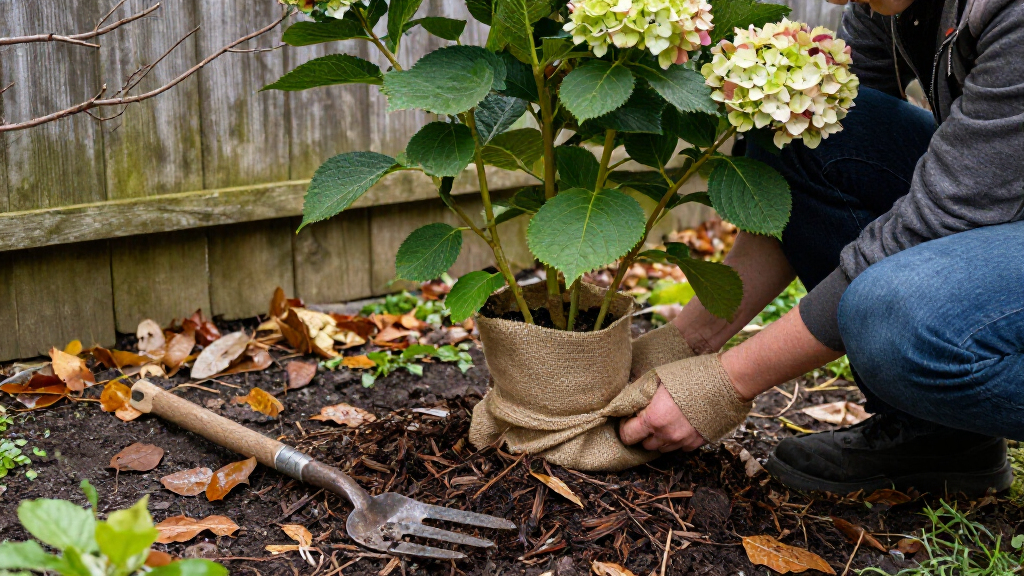
The report’s first recommendation is to protect buds on old-wood hydrangeas. Bigleaf, mountain and oakleaf hydrangeas form flower buds on existing stems, according to Gardening Know How. Fall pruning can remove those buds, potentially reducing or eliminating the following summer’s flowers. The article advises postponing shaping and routine trimming until after flowering next year, while allowing removal of dead, diseased or broken stems.
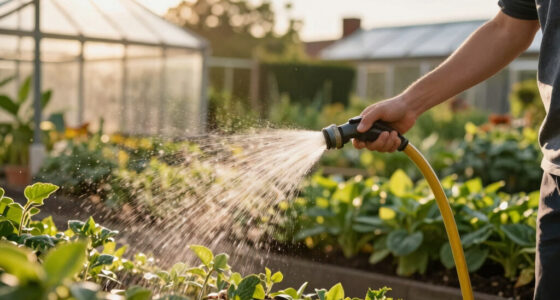
It also recommends leaving dried flower heads in place through winter, saying they can shelter buds below them and add visual interest. Old flower heads can be cut back in late winter or early spring, above the first set of green buds, the report says. The second care step is to check soil moisture and water before freezing. If rainfall is limited, it suggests a slow, deep soak every 10 to 14 days, aiming to moisten soil about 8 to 12 inches deep. Newly planted shrubs may need particular attention.
These instructions are not one-size-fits-all. Gardening Know How says panicle and smooth hydrangeas flower on new growth produced in spring and are generally more frost-resilient than old-wood types. The supplied source introduction refers to five recommended tasks, but the provided text describes only two in detail; the remaining three cannot be verified from the material available here.
Protecting Next Summer’s Flower Buds
The most consequential November decision may be what not to prune. For hydrangeas that bloom on old wood, flower buds are already present on stems. Cutting those stems back in a fall cleanup can remove next year’s blooms before winter begins. Identifying the plant first can help gardeners avoid treating every hydrangea the same way.
Moisture is another practical concern: dormant shrubs can still be affected by dry soil, while frozen ground limits roots’ ability to take up water. Checking soil rather than watering on a fixed schedule can help gardeners respond to local rainfall and conditions. The report’s advice matters most to people facing cold winters or dry autumn weather, but its recommendations remain dependent on plant type and site.
Products Worth Considering

Hisense 85U6SF Pro 85-Inch U6 Pro Mini-LED 4K UHD Smart Fire TV

Ring Wired Doorbell Plus (2nd Gen) and Chime Plus Bundle, Nickel Silver and White

LG 77-Inch OLED evo C5 Series Smart TV (2025)
As an affiliate, we earn on qualifying purchases.
Care Depends on Hydrangea Type
Gardening Know How distinguishes old-wood bloomers—including bigleaf and oakleaf hydrangeas—from panicle and smooth types that flower on new spring growth. The article names bigleaf cultivars such as Nikko Blue and the Cityline series as examples that may need bud protection in cold zones. It says cold-hardy panicle varieties such as Limelight and Bobo, and smooth hydrangea Annabelle, rarely need insulation, though root hydration still matters.
Location and soil also shape winter preparation. The source says gardeners in USDA zones 3 to 5 may face frozen ground and drying winds, while zones 7 to 9 can experience warm spells followed by frost. It describes heavy clay as more prone to holding water and light sandy soil as more prone to drying. These are considerations for assessing a specific garden, not a substitute for knowing the plant’s variety and local conditions.
Three Listed Tasks Not Provided
The source headline promises five ways to prepare hydrangeas, but the supplied report text includes only the first two: protecting old-wood buds and watering before the ground freezes. It does not provide the remaining three steps, so they are not included here. The source also offers general guidance rather than recommendations for every cultivar, local forecast or garden site; the exact protection a plant needs will vary.
Check Plants Before the First Freeze
Gardeners can begin by identifying each hydrangea, checking whether its soil is dry and removing only dead, diseased or broken stems. If autumn rainfall is scarce, the report advises deep watering as needed before the ground freezes. Old-wood types should be left unpruned for shaping until after their next flowering period. The supplied material gives no further winter-care steps or follow-up schedule, so additional actions should be based on the plant’s variety and local conditions.
Key Questions
Should hydrangeas be pruned in November?
Not for routine shaping if the plant blooms on old wood, Gardening Know How advises. Bigleaf, mountain and oakleaf hydrangeas may already have next year’s flower buds on their stems. Dead, diseased or broken stems can be removed.
Should dried hydrangea flowers be removed before winter?
The report recommends leaving dried flower heads in place through winter because they may shelter buds below. It says they can be removed in late winter or early spring, above the first green buds.
How often should hydrangeas be watered in November?
Water according to rainfall and soil moisture. If rainfall is sparse, the article suggests a deep, slow soak every 10 to 14 days, stopping when the ground freezes. Newly planted shrubs may need closer attention.
Do all hydrangeas need winter insulation?
No. The report says needs vary by type and climate. Some old-wood varieties may need bud protection in cold zones, while panicle and smooth hydrangeas are described as more frost-resilient.
Source: gardeningknowhow.com