TL;DR
Amateur Gardening has outlined five garden practices that may help reduce slug and snail damage to vegetable crops as wet weather returns. The advice includes watering in the morning, supporting wildlife, using barriers, checking containers and applying nematodes according to the packet instructions; the report does not guarantee that any method will prevent losses.
Amateur Gardening has published five ways gardeners can try to limit slug and snail damage to vegetable patches as wetter weather returns, including changing watering times, checking planters and using nematodes. The advice is practical guidance, not a guarantee of crop protection, and the report says gardeners may need to test which approaches work in their gardens.

Get garden gear delivered free with Prime
- Fast, free delivery on millions of items
- Prime Video, Amazon Music and more included
- Member-only deals all year
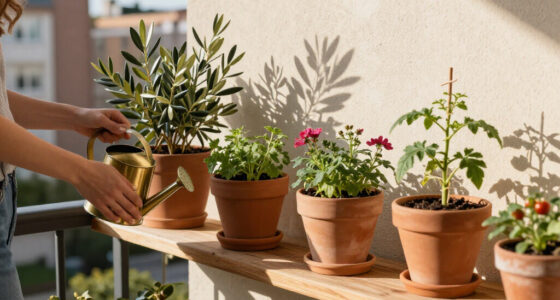
The report, written by Becky Bowden, links renewed slug and snail activity with wet conditions following a dry spell. It recommends watering plants in the morning rather than at night, so the ground has more time to dry during daylight. The article says this may make conditions less favorable for the pests and may also reduce the risk of fungal disease by allowing plants more sunlight and airflow.
Other suggestions are to encourage wildlife that may prey on slugs and snails, and to make it harder for the pests to reach plants. The article proposes habitats such as log piles, ponds and rockeries, as well as leaving a leaf pile away from crops. It also describes dry, crushed eggshells and untreated woodchips as possible barriers, while noting that coffee grounds may need replacing after heavy rain.
The final recommendations are to inspect under pots, trays and dense foliage, especially after wet weather, and to consider nematodes during the growing season. The source says to mix nematodes with water and follow the product instructions. It names two microscopic worm species used for this purpose, but offers no trial results or comparative figures establishing how well the approaches work.
Protecting Crops in Wet Weather
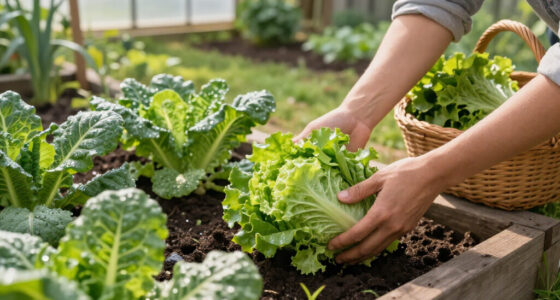
Slugs and snails can damage vegetables and container plants, making their return a practical concern for gardeners hoping to harvest what they have grown. The suggestions focus on low-cost changes and regular checks, rather than relying on a single measure. For readers, that means the advice can be adapted to a garden’s layout and conditions, but outcomes may vary.
The report also emphasizes prevention and habitat management: morning watering may reduce dampness overnight, while wildlife-friendly areas may attract some natural predators. These approaches are not presented as a way to eliminate slugs. The article’s central message is that gardeners can combine several measures and monitor whether they reduce damage to their own crops.
Products Worth Considering

eufy Security 5-Piece Home Alarm Kit

eufy Security eufyCam C35 4-Camera Kit

Philips Hue Amarant Outdoor Smart Light Bar, Black
As an affiliate, we earn on qualifying purchases.
Five Measures in the Report
The article presents its advice against a seasonal shift: after what it describes as an unprecedented dry spell, wetter weather was expected to return. It says slugs and snails are more active in damp, dark conditions, which is the basis for its recommendation to water early rather than at night.
For barriers, the report quotes lawn care specialist Chrissie Handley on using dry, coarsely crushed eggshells around plants. It also quotes container plants expert Martine Davis, who advises checking beneath pots and around thick foliage. The article describes nematodes as a possible longer-term option but directs readers to the product packet for application instructions. It does not provide independent testing of the methods.
“Crushed eggshells work well in deterring slugs and snails from eating your plants.”
— Chrissie Handley, lawn care specialist, quoted by Amateur Gardening
How Well Each Method Works
The source provides no measured results comparing the five approaches, and it does not specify how much damage gardeners can expect to prevent. It describes eggshells, woodchips and coffee grounds as potential deterrents, rather than guaranteed barriers. The overall effectiveness of wildlife habitats and nematodes may also depend on local conditions and correct use.
The report does not identify a specific location or provide weather forecasts, so the scale and timing of the expected return of wet conditions are not clear. It also does not explain whether the named nematode products are available everywhere. Gardeners should check the product label and follow its instructions before application.
Monitor Gardens and Follow Labels
The report offers no announced follow-up or new official guidance. Its practical next step for gardeners is to try suitable measures, inspect vulnerable areas regularly and see which approaches reduce damage. Morning watering and checks beneath containers can be incorporated into routine care, while habitat changes and barriers can be tested as conditions allow.
Anyone using nematodes should follow the packet directions for mixing and application, and use any protective equipment specified on the label. The article frames the advice as a process of trial and error; it does not claim that combining all five steps will prevent crop losses.
Key Questions
What are the five suggested ways to reduce slug damage?
The report recommends watering in the morning, encouraging wildlife, trying abrasive barriers such as dry eggshells or untreated woodchips, checking planters and sheltered spots, and using nematodes according to their packet instructions.
Why does the report recommend morning watering?
It says morning watering gives the soil more time to dry in daylight, whereas watering at night can leave damp conditions that slugs and snails favor. The article also says morning watering may help reduce fungal disease risk.
Do eggshells and coffee grounds stop slugs?
The report presents them as possible deterrents, not guaranteed protection. It recommends dry, coarsely crushed eggshells and says coffee grounds may need replacing after significant rainfall.
How should gardeners use nematodes?
The article says to mix them with water and apply them during the growing season, but readers should follow the specific product label for directions and any protective equipment requirements.
Will these methods guarantee a harvest?
No such guarantee is made. Amateur Gardening says gardening involves trial and error, and the report supplies no comparative data showing how much damage each method prevents.
Source: amateurgardening.com