TL;DR

Get garden gear delivered free with Prime
- Fast, free delivery on millions of items
- Prime Video, Amazon Music and more included
- Member-only deals all year
Buttercrunch is a cool-season butterhead lettuce that can be harvested as baby leaves about 30 to 35 days after seeding or as mature heads in roughly 55 to 60 days, according to Savvy Gardening. Regular moisture, fertile, well-drained soil and protection from heat help support growth; containers, succession sowing and cold frames can extend the harvest.
Buttercrunch lettuce can be grown in beds or containers and harvested as tender baby leaves or mature heads, according to a growing guide from Savvy Gardening. The guide describes it as a cool-season crop that can produce baby greens in about 30 to 35 days from seeding and mature heads in about 55 to 60 days, making planting dates, steady watering and heat management central to getting a usable harvest.
The guide identifies Buttercrunch, also called Buttercrunch Bibb, as an heirloom butterhead lettuce. It has thick outer leaves and a loosely folded center rosette that is about 6 inches across when mature. Its leaves are described as sweet and mild, suitable for salads, lettuce wraps and burgers. These flavor descriptions are the source’s assessment rather than a measured comparison with other varieties.
Buttercrunch grows best in cool conditions, with the guide giving a preferred range of 60 to 65 degrees Fahrenheit (16 to 18 degrees Celsius). It recommends a sunny site with fertile, well-draining soil, amended with about an inch of compost or rotted manure before planting. The author also describes adding a complete organic vegetable fertilizer; gardeners should follow product directions for any fertilizer they use.
Growers can sow seeds directly outdoors or start them indoors and transplant seedlings. For baby greens, the author scatters seeds or places them about 2 inches apart, then thins seedlings as needed. For mature heads, seedlings are eventually thinned to about 10 to 12 inches apart, with rows 16 inches apart. For transplants, the guide recommends starting seeds indoors three to four weeks before hardening them off and moving them outside, and planting them 10 to 12 inches apart in rows 16 inches apart.
Planning a Longer Lettuce Harvest
The guidance matters to home gardeners because lettuce can become bitter or bolt—send up a flowering stalk—when it faces drought stress or heat. The Savvy Gardening report advises checking the soil daily and watering to keep it lightly damp. That advice is particularly relevant in warm weather, when the crop’s cool-season preference can make timing and shade more important than simply planting more seed.
Planting does not have to be limited to one spring sowing. The guide recommends sowing again every two to three weeks in spring for a continued supply of greens or heads. For summer, it suggests afternoon shade or shade cloth; for late autumn and winter, it describes growing under cover in a cold frame, greenhouse or unheated polytunnel. Results will depend on local temperatures, light and growing conditions.
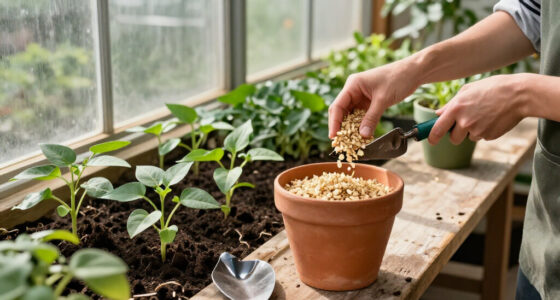
Buttercrunch is also an option for people without garden beds. The source says lettuce can grow in pots, window boxes, planters and fabric containers, provided they have drainage holes. It recommends filling them with potting mix and compost and supplying nutrients with fertilizer. Keeping containers evenly moist may require frequent checks, especially in warm or windy weather.
As an affiliate, we earn on qualifying purchases.
Sowing for Different Seasons
The report presents Buttercrunch as a crop that can be planted in more than one season when conditions are managed. For spring, it says direct sowing can begin three to four weeks before the last expected frost; seedlings can also be transplanted around that time, with row covers available if temperatures fall below freezing. For autumn planting, it recommends direct sowing about six to eight weeks, or transplanting five to six weeks, before the first expected fall frost. Shortening days can slow growth, so the guide advises allowing extra time.
In summer, the source recommends a site with some shade from afternoon sun or a small tunnel covered with shade cloth. In winter, it describes using an unheated greenhouse, permanent cold frame or mini hoop tunnel when frost threatens. The guide calls Buttercrunch cold hardy, but does not provide a temperature threshold or guarantee that plants will survive every winter climate.
The guide also recommends thinning young plants to give mature heads room, and using thinnings as baby greens. Its suggested spacing changes with the crop’s purpose: close spacing for baby leaves, then wider spacing for plants intended to form heads. The article’s gardening advice is based on the author’s experience; local growing conditions can affect timing and plant performance.
““Buttercrunch lettuce prefers a sunny garden with fertile, well-draining soil.””
— Savvy Gardening guide
Local Conditions Shape Results
The source gives approximate days to harvest but does not specify a location, trial conditions or a range for how weather may change those timelines. Its figures—30 to 35 days for baby leaves and 55 to 60 days for mature heads—should be treated as general guidance, not a guaranteed schedule. It also does not give a precise temperature limit for cold protection or specify how much shade is needed in different climates.
The supplied report is incomplete at its discussion of harvesting: it begins a section on when and how to harvest but cuts off before providing those instructions. It therefore does not establish a specific cutting method, how many harvests one plant can provide, or how to save Buttercrunch seed, despite mentioning seed saving in its introduction. Gardeners should not infer those details from the available text.
Monitor Plants as They Grow
As plants develop, growers can check soil moisture regularly, thin seedlings according to whether they want baby leaves or mature heads, and adjust protection as conditions change. In hot weather, the source recommends afternoon shade and careful watering; when frost threatens, it advises covering plants or using a protected growing structure. Successive sowings every two to three weeks in spring can help stagger harvests rather than producing all plants at once.
For harvesting, the report’s stated timelines offer a rough planning guide: begin checking baby-leaf plantings around 30 to 35 days after seeding and head crops around 55 to 60 days, while judging readiness from the plants themselves. The source material does not include a detailed harvest technique, so it cannot support a more specific instruction about cutting or regrowth. No additional update or confirmed next milestone is provided.
Key Questions
How long does Buttercrunch lettuce take to grow?
The Savvy Gardening guide says baby leaves may be ready about 30 to 35 days after seeding, while mature heads take roughly 55 to 60 days. Weather and growing conditions can affect the schedule.
When should I plant Buttercrunch lettuce?
The guide recommends spring planting before the last frost, with row covers available if freezing temperatures return. It also describes summer planting with afternoon shade, autumn sowing before the first fall frost and winter growing under cover. Suitable timing depends on local climate.
Can Buttercrunch grow in a pot?
Yes. The source says lettuce can grow in containers such as pots, window boxes and fabric planters. Use a container with drainage holes and fill it with potting mix and compost; check moisture often.
How do I help prevent Buttercrunch from bolting?
The guide advises keeping the soil lightly damp and reducing heat stress with afternoon shade or shade cloth in summer. It says drought stress can prompt bolting, which can affect flavor and eating quality.
Does the source explain exactly how to harvest it?
No. The provided report cuts off as its harvesting section begins. It gives approximate harvest timelines, but not a specific cutting method or instructions for repeated harvests.
Source: rss
Fall Picks
fall essentials
As an affiliate, we earn on qualifying purchases.