
TL;DR

Get garden gear delivered free with Prime
- Fast, free delivery on millions of items
- Prime Video, Amazon Music and more included
- Member-only deals all year
Gardening Know How has published a fall guide to turning a healthy outdoor pepper plant into a bonchi, a compact, bonsai-style indoor plant. The guide recommends bringing the pepper in before frost, inspecting it for pests, and heavily pruning its stems and roots; it says the plant may produce fruit indoors, though results depend on the plant and growing conditions.
Gardening Know How has published a fall guide to turning a productive outdoor pepper plant into a compact, bonsai-style indoor plant known as a bonchi. The gardening site’s approach offers gardeners a way to try to keep a tender pepper through winter rather than lose it to frost, although the guide does not guarantee survival or future fruit.
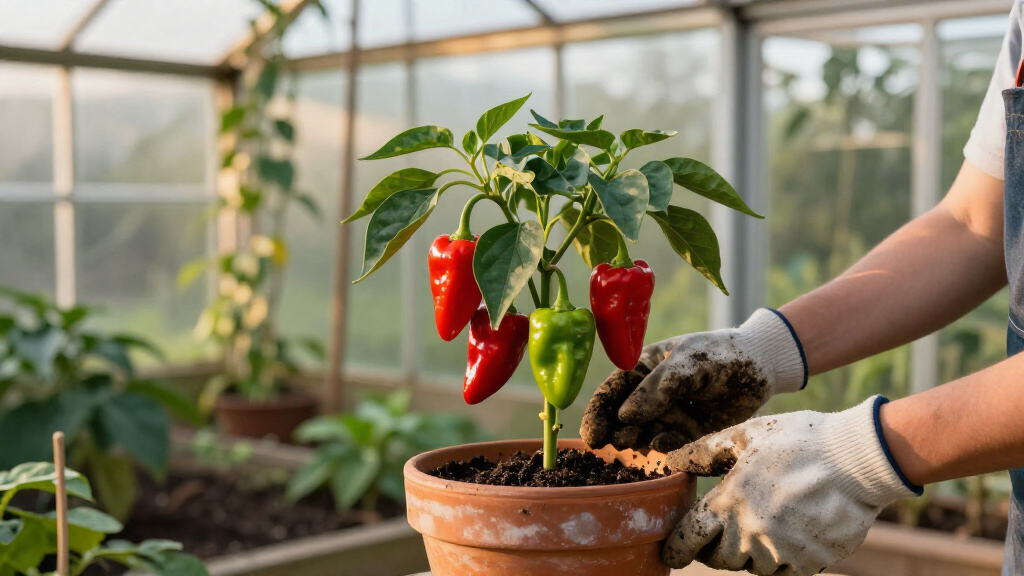
In its bonchi guide, Gardening Know How describes bonchi, short for bonchili, as a miniature pepper plant shaped to resemble a small tree. The guide recommends lifting a healthy plant before a hard frost, cutting back its stems, reducing its root mass and moving it into a shallow pot. Gardening Know How advises acting before night temperatures regularly fall below 50°F (10°C), giving the plant time to adjust indoors before colder conditions arrive.
For a candidate, Gardening Know How favors a vigorous plant that produced well over summer, with a thick main stem and balanced lower branches. The guide names Capsicum chinense peppers such as habanero and Scotch bonnet, Capsicum frutescens such as tabasco, and compact varieties including jalapeño, cayenne and ornamental peppers. It advises avoiding weak, leggy or potentially diseased plants, and says smaller fruits tend to look more proportionate on a miniature plant.
Gardening Know How calls for substantial pruning: cut the trunk to about 4–8 inches (10–20 cm) above the soil, remove most leaves and retain a few short branches for structure. The guide also suggests reducing the root mass by about 60–70 percent, while keeping fine feeder roots near the base. Before bringing the plant indoors, it advises checking for aphids, whiteflies and spider mites, and describes rinsing or using a mild insecticidal soap as pest-control options.
A Way to Keep Peppers Through Winter
Gardening Know How presents the project as a way for gardeners to try to keep a pepper alive indoors rather than treat frost as the end of its growing season. The guide suggests that a surviving plant could give growers a head start the following spring, while its compact form may suit a sunny windowsill better than a full-size garden plant.
However, this is a gardening how-to, not a reported trial. Gardening Know How describes bonchi as a project and says an established plant may bear fruit indoors, but provides no survival rates, controlled results or guarantee of a harvest. Outcomes will depend on the plant’s health and the care and indoor conditions it receives.
As an affiliate, we earn on qualifying purchases.
From Outdoor Pepper to Indoor Plant
Gardening Know How frames the project around a common fall problem: many peppers are tender perennials and cannot tolerate frost. The guide notes that in climates with cold winters, outdoor plants may be damaged or killed as temperatures fall. It presents bringing one indoors as an attempt to preserve it, using severe pruning and a smaller pot to create the intended miniature form.
For preparation, Gardening Know How recommends watering the plant about a day before lifting it, digging a broad root ball, and checking leaves and stems for pests before bringing it inside. The guide says the pruned plant needs a suitable shallow container and indoor care. However, the supplied source material ends at the heading for potting, so it does not provide complete instructions on pot dimensions, potting mix, watering after repotting, light levels or ongoing maintenance.
Survival and Care Details
Gardening Know How does not report whether its recommended 60–70 percent root reduction was tested across pepper varieties or what proportion of plants survive the process. The guide also does not specify how long a newly pruned plant may take to recover, how much light or warmth it needs indoors, or how often it should be watered after potting. These omissions make it difficult to judge the method’s likely success from the guide alone.
Although Gardening Know How says an established bonchi can be kept as a productive indoor plant for years, it provides no documented yield figures or evidence that fruiting is reliable in typical homes. The supplied text also breaks off before the potting directions are completed. Readers should treat continued growth and fruit production as possible outcomes, not assured results.
Preparing a Plant Before Frost
Gardeners interested in trying the method would need to select a healthy pepper and bring it indoors before a hard frost, following Gardening Know How’s advice to inspect for pests and prune carefully. The guide’s supplied text does not include full directions on container choice or indoor care, so gardeners would need to consult additional guidance for those details.
The next meaningful test is how an individual plant responds after lifting, pruning and repotting. Its condition through winter, new growth in spring and any fruit it produces would show whether the project worked in that home. Gardening Know How’s guide identifies no follow-up results or further reporting.
Key Questions
What is a bonchi pepper plant?
Gardening Know How describes a bonchi, short for bonchili, as a pepper plant pruned and potted in a compact, bonsai-style form. The guide says it is intended to resemble a miniature tree while remaining a living pepper plant.
When should an outdoor pepper be brought inside?
Gardening Know How recommends lifting it before the first hard frost and ideally before night temperatures regularly fall below 50°F (10°C). The guide says cold conditions can make root recovery harder.
Which peppers does the guide recommend?
Gardening Know How suggests vigorous plants with thick stems, including habanero, Scotch bonnet and tabasco, as well as compact jalapeño, cayenne and ornamental varieties. Its guide advises against weak, leggy or potentially diseased plants.
Will a bonchi produce peppers indoors?
Gardening Know How says an established bonchi may remain productive indoors, but its guide provides no yield data or guarantee. Fruiting will depend on the plant’s health and its indoor growing conditions.
Does the report give complete potting instructions?
No. The supplied text of Gardening Know How’s guide stops at the heading for potting, without giving the container, soil or ongoing-care details. Those parts of the method remain unspecified in the source material provided.
Source: rss
Halloween Picks
halloween
As an affiliate, we earn on qualifying purchases.