TL;DR
Many gardeners notice their tomato plants produce flowers but no fruit. This article explains the common causes, confirmed by experts, and offers practical solutions to improve fruiting before the season ends.
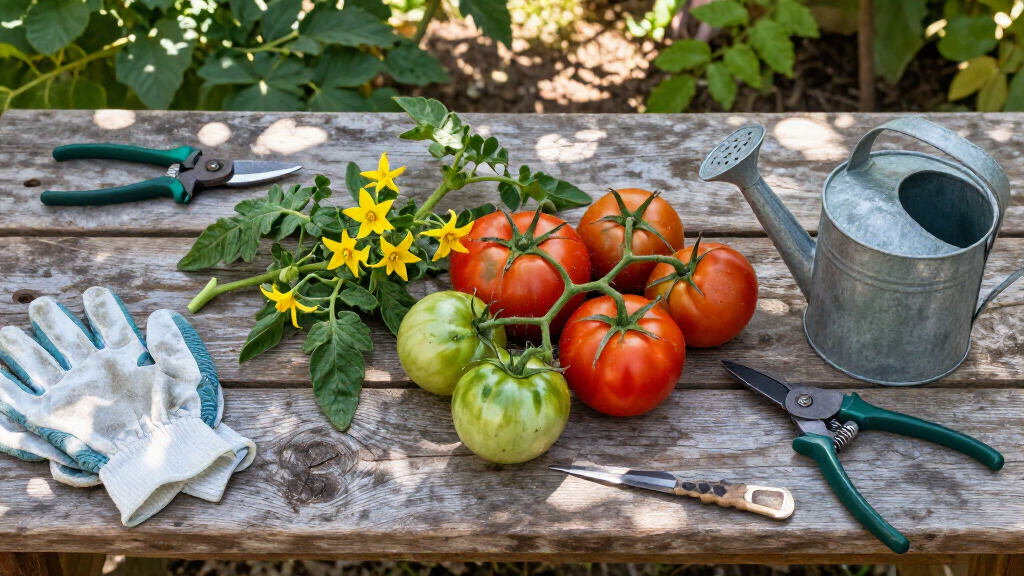
Many tomato growers are observing a common issue: their plants are producing flowers but no fruit. This phenomenon can significantly impact harvests as the season progresses. Experts confirm that environmental stressors, improper watering, and other factors contribute to this problem, making it urgent for gardeners to take corrective steps now to maximize fruit production before the season ends.
According to horticultural specialists, the most common cause of tomato plants having flowers but no fruit is environmental stress, particularly high temperatures and inconsistent watering. When daytime temperatures exceed 85°F (29°C) or nighttime temperatures stay above 70°F (21°C), pollination can be disrupted, preventing flowers from developing into fruit. Additionally, irregular watering or drought stress can cause plants to drop flowers prematurely, reducing fruit set.
Experts also note that poor pollination due to low humidity or lack of pollinators like bees may contribute. Some gardeners report that their plants are healthy and flowering but simply not setting fruit, which aligns with these known causes. The good news is that many of these issues can be addressed with targeted actions, such as adjusting watering schedules, providing shade during peak heat, and encouraging pollination.
It is important for gardeners to identify and remedy these factors quickly, as the window for fruit development narrows as the season progresses. Waiting too long may result in fewer or no tomatoes for the remainder of the season, especially in regions with shorter growing periods or approaching frost dates.
Impacts on Tomato Yields and Garden Success
This issue directly affects the quantity and quality of the tomato harvest, which is especially critical for home gardeners relying on their crops. If flowers do not develop into fruit, gardeners may face disappointment and reduced yields. Understanding the causes and implementing corrective measures now can help salvage the season’s potential and ensure a more fruitful harvest before cold weather or season end.
Moreover, this problem highlights the importance of proper garden management during heat waves and drought conditions, which are becoming more frequent due to climate change. Addressing these issues promptly can prevent crop loss and improve overall gardening success.

Tomato Planter Pot Tomato Box Raised Garden Bed 56.5" Tall Self-Watering and Water Indicator Planter for Tomato Outdoor Indoor Metal Trellis for Climbing Plants Large Reservoir-1 planter-not 2
- Easy Mobility with Wheels: Includes 5 sturdy wheels for easy movement
- Adjustable Sunlight Exposure: Move planter to optimize sunlight based on weather
- Water Inlet for Easy Watering: Top water inlet for convenient watering without soil disturbance
As an affiliate, we earn on qualifying purchases.
As an affiliate, we earn on qualifying purchases.
Common Causes of Flower Drop and No Fruit in Tomatoes
Tomato plants naturally produce flowers as part of their reproductive cycle, but environmental factors heavily influence whether these flowers develop into fruit. High temperatures, especially during mid to late summer, are known to impair pollination by affecting pollen viability. Similarly, inconsistent watering can stress plants, leading to flower drop. Low humidity and a lack of pollinators can also contribute to poor fruit set.
Historically, growers have observed that hot weather conditions correlate with reduced fruiting, prompting recommendations to provide shade or water more frequently during heatwaves. Recent climate patterns have intensified these challenges, making timely intervention more critical than ever.
Previous studies and expert advice emphasize that maintaining consistent moisture levels, avoiding over-fertilization with nitrogen, and ensuring good pollination are key to improving fruit set in tomato plants.
“High daytime temperatures above 85°F can severely impair pollination, leading to flowers that do not develop into fruit.”
— Dr. Emily Carter, horticulturist
Unclear Factors in Flower Drop and Fruit Development
While environmental stressors like heat and watering are confirmed causes, it remains unclear how much each factor individually impacts different varieties of tomatoes or specific regional conditions. The effectiveness of certain remedies, such as applying plant growth regulators or using specific pollination techniques, is still under study, and results may vary based on local climate and plant health.
Additionally, some gardeners report persistent flower drop despite following recommended practices, indicating other unknown factors may be at play, such as soil health or pest pressures. Ongoing research aims to clarify these issues.
Next Steps for Gardeners Facing Flower-to-Fruit Problems
Gardeners are advised to evaluate their watering routines, provide shade during peak heat, and encourage pollination by hand if necessary. Monitoring weather forecasts and adjusting practices accordingly can help mitigate heat stress. As the growing season nears its end, timely intervention is essential to maximize fruiting potential.
Experts suggest that gardeners continue to observe their plants closely, apply appropriate watering, and consider supplemental pollination methods if natural pollinators are scarce. If temperatures remain high, using shade cloths or relocating containers to cooler spots can help.
Further research and extension service updates are expected to provide additional guidance, especially for regions experiencing unusual weather patterns.
Key Questions
Why are my tomato plants flowering but not producing fruit?
This is often caused by environmental stressors such as high temperatures, inconsistent watering, or poor pollination conditions, which prevent flowers from developing into fruit.
What can I do to improve fruit set on my tomato plants?
Ensure consistent watering, provide shade during hot days, encourage pollination by hand if needed, and avoid over-fertilizing with nitrogen. These steps can help increase fruit production.
Is it too late to fix this problem in my garden?
It depends on your local climate and remaining growing days. Acting quickly by adjusting watering and providing shade can still improve fruit set before the season ends.
Can I use any products to help my tomato plants set fruit?
Some growers consider using plant growth regulators or natural pollination aids, but consult local extension services or experts before applying any chemical products.
Will this problem go away next year?
Environmental conditions vary yearly; implementing good cultural practices can reduce the likelihood of flower drop and improve fruiting in future seasons.
Source: rss