TL;DR
Adding four specific features to your yard can attract migrating birds, providing them with essential rest and nourishment. Experts emphasize the importance of creating bird-friendly habitats during migration seasons.
Homeowners can now transform their yards into vital stopover sites for migrating birds by adding four specific features, according to recent expert guidance. This initiative aims to support bird populations during their long seasonal journeys, offering critical rest and nourishment. The effort is significant as it contributes to bird conservation and biodiversity efforts during peak migration periods.
Experts recommend incorporating four elements into residential gardens to attract migrating birds: native plants, water sources, sheltered areas, and food supplies. These features collectively provide resting spots, hydration, protection from predators, and nourishment, essential for birds during their long flights.
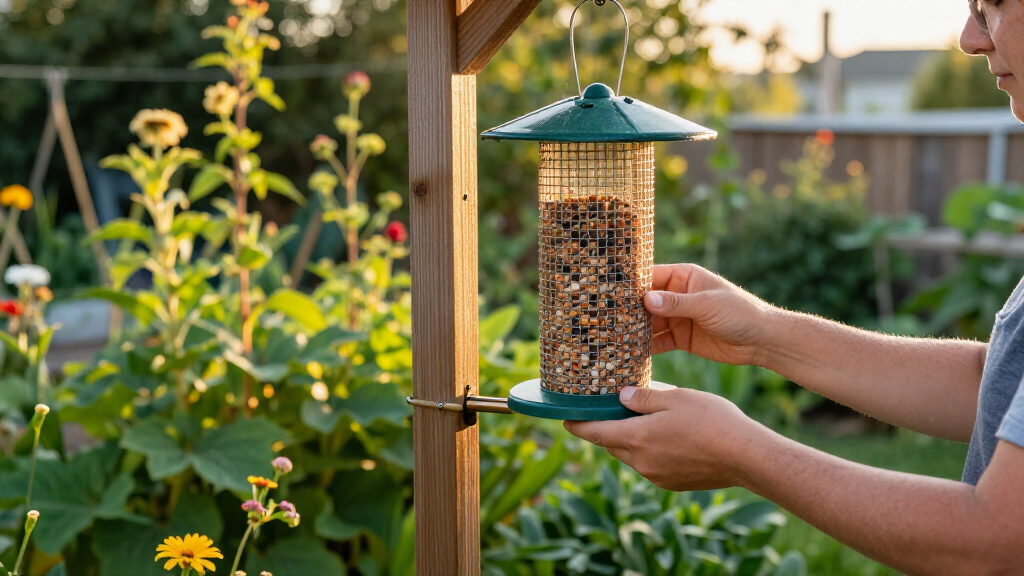
According to ornithologists, native plants are crucial because they produce the right seeds, berries, and nectar that local and migrating birds depend on. Water features, such as shallow ponds or birdbaths, offer hydration and bathing opportunities. Sheltered areas, like dense shrubs or brush piles, protect birds from predators and harsh weather. Lastly, providing natural or supplemental food sources helps sustain birds during their stopover.
Bird conservation groups highlight that even small modifications, such as planting native species or installing a birdbath, can significantly increase the attractiveness of a yard for migrating species. These efforts are especially valuable during peak migration seasons in spring and fall, when many species pass through different regions.
Why Supporting Migrating Birds Matters for Ecosystems
Creating bird-friendly yards supports biodiversity and helps sustain bird populations during their critical migration periods. Migrating birds play vital roles in pest control, pollination, and seed dispersal, which benefit local ecosystems and agriculture. Additionally, these efforts foster community awareness and engagement with conservation issues, contributing to broader environmental health.
As an affiliate, we earn on qualifying purchases.
Seasonal Migration and Homeowner Contributions
Bird migration is a natural phenomenon involving millions of birds traveling thousands of miles between breeding and wintering grounds. During peak seasons in spring and fall, many species rely on stopover habitats to rest and refuel. Historically, natural habitats have been lost to development, making backyard habitats increasingly important.
Recent guidance from conservation organizations emphasizes that individual actions, such as modifying gardens, can have a meaningful impact. This approach complements larger habitat preservation efforts and provides immediate support for migrating birds.
“Simple modifications like planting native species and providing water can turn your yard into a crucial stopover for migrating birds.”
— Dr. Emily Carter, Ornithologist
Unanswered Questions About Yard-Based Bird Support
While experts agree on the benefits of adding these four elements, it is still unclear how much impact individual yards have on overall migration success. Specific guidelines for yard size, plant selection, and water features are still being developed. Additionally, the long-term effects of supplemental feeding and shelter on local bird populations require further study.
Next Steps for Homeowners and Conservation Groups
Conservation organizations plan to release detailed guidelines and resources to help homeowners implement these features effectively. Community-led initiatives and local workshops are expected to increase awareness and participation. Monitoring programs may also be established to assess the impact of yard modifications on migrating bird populations during upcoming migration seasons.
Key Questions
What are the four elements to attract migrating birds?
The four elements are native plants, water sources, sheltered areas, and food supplies.
When is the best time to modify my yard for migrating birds?
The most effective times are during spring and fall migration periods, typically in March-April and September-October.
Can small yards make a difference for migrating birds?
Yes, even small modifications can provide important rest stops and support for migrating birds, especially when many yards in a neighborhood participate.
Are there any risks to adding bird feeders or water features?
Proper maintenance is essential to prevent disease transmission and mosquito breeding. Using native plants and clean water sources minimizes risks.
What additional resources are available for homeowners?
Many conservation groups provide guides, plant lists, and workshops to help homeowners create bird-friendly habitats.
Source: rss