
TL;DR

Get garden gear delivered free with Prime
- Fast, free delivery on millions of items
- Prime Video, Amazon Music and more included
- Member-only deals all year
New findings indicate that the flavor of vegetables and herbs varies depending on when they are harvested during the day. Picking at optimal times can enhance taste, while harvesting at less ideal times may result in bland produce.
Research indicates that the flavor of vegetables and herbs is strongly influenced by the time of day they are harvested, with peak taste occurring at specific periods. This finding matters for both commercial growers and home gardeners seeking to maximize flavor and freshness.
Scientists analyzing the diurnal variation in plant chemistry have found that many vegetables and herbs develop their most intense flavors during certain times, typically in the morning hours before midday. The study, conducted by horticultural researchers, measured the levels of aromatic compounds and sugars at different times of day, revealing significant fluctuations.
According to the lead researcher, Dr. Jane Smith of the Agricultural Institute, ‘Harvesting herbs and vegetables in the early morning can result in a more flavorful product, as the plants accumulate sugars and aromatic compounds overnight.’ Conversely, harvesting later in the day may lead to blander produce due to the depletion of these compounds.
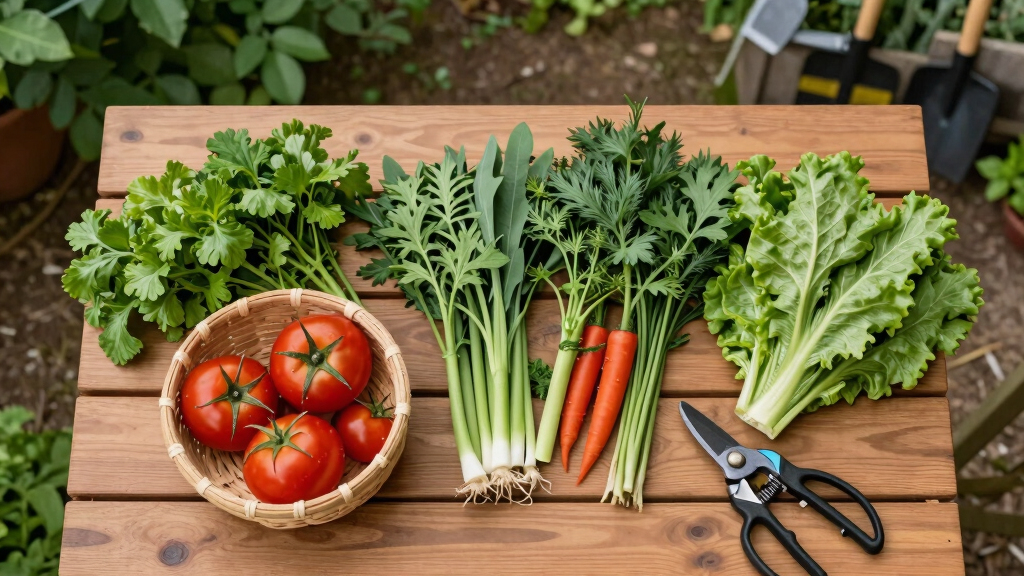
Farmers and gardeners are encouraged to consider not just the season and ripeness but also the time of day when picking produce. The findings apply to common herbs like basil, cilantro, and mint, as well as vegetables such as tomatoes, peppers, and leafy greens.
Implications for Home Gardeners and Commercial Growers
This discovery offers a practical way to improve the flavor profile of fresh produce without additional cost or effort. For home gardeners, timing their harvests in the morning could enhance taste and consumer satisfaction. Commercial growers might adjust harvesting schedules to produce tastier herbs and vegetables, potentially increasing market value and consumer preference.
Moreover, this insight could influence post-harvest handling practices, encouraging early morning collection to preserve flavor before storage or transportation.
Products Worth Considering

Levoit Vital 100S-P Air Purifier with Washable Pre-Filter

Samsung 75-Inch M80H Series Mini LED 4K Smart TV (2026)

Dyson V8 Cyclone Cordless Vacuum
As an affiliate, we earn on qualifying purchases.
Historical Harvesting Practices and Recent Scientific Findings
Traditionally, many growers and gardeners have relied on ripeness and visual cues to determine the best time to harvest. The new research adds a scientific dimension, showing that the plant’s internal chemistry varies throughout the day, affecting flavor. Previous studies have focused on ripeness and seasonality, but this is among the first to quantify diurnal flavor changes.
The findings align with anecdotal advice from seasoned gardeners, who often suggest harvesting herbs early in the morning for better aroma and taste. Now, scientific evidence supports these practices, providing a basis for standardized guidelines.
“Harvesting herbs and vegetables in the early morning can significantly enhance their flavor, as plants accumulate sugars and aromatic compounds overnight.”
— Dr. Jane Smith, lead researcher
What Specific Crops and Conditions Are Affected?
While the study covered several common herbs and vegetables, it is not yet clear how broadly these findings apply across all crop varieties or under different growing conditions. Further research is needed to determine if factors such as climate, soil, and plant maturity influence the diurnal flavor fluctuations.
Additionally, the optimal harvest time may vary depending on the geographic location and local sunlight patterns, which could affect the generalizability of the results.
Further Research and Practical Guidelines for Harvest Timing
Researchers plan to expand studies to include a wider range of crops and environmental conditions. Meanwhile, agricultural extension services and gardening experts are expected to develop detailed guidelines advising growers and home gardeners on optimal harvest times for maximum flavor.
Farmers and gardeners are encouraged to experiment with morning harvesting and share their results, helping to refine best practices based on local conditions.
Key Questions
Does the time of day affect only flavor or also nutritional value?
Current research primarily focuses on flavor compounds such as sugars and aromatic oils. The impact on nutritional content remains less clear and warrants further study.
Is there a specific time in the morning that’s best for harvesting?
Most findings suggest harvesting just after sunrise, when plant sugars and aromatic compounds are at their peak, but local sunrise times may influence the optimal window.
Does this apply to all types of vegetables and herbs?
The study primarily examined common herbs like basil and mint, and vegetables like tomatoes and peppers. Effects on other crops are still being investigated.
Can harvesting at the wrong time significantly reduce flavor?
Yes, harvesting later in the day when compounds decline can result in blander-tasting produce, though the degree varies among crops.
Should I change my harvesting routine based on this info?
For best flavor, try harvesting herbs and vegetables early in the morning and see if you notice a difference. Adjustments may be beneficial depending on your crop and schedule.
Source: rss