Proper catch basin design involves accurately sizing the inlet and basin capacity based on expected rainfall, catchment area, and flow rates to prevent flooding. You should consider flow dynamics and inlet design to guarantee smooth water entry, reducing turbulence and debris buildup. Noise can be minimized with sound-absorbing materials and thoughtful grate placement. Regular maintenance helps preserve system effectiveness during storms. To secure peak performance, explore how these factors work together for reliable stormwater management, which you’ll discover next.

Get garden gear delivered free — and shop member deals
- Fast, free delivery on millions of items
- Access to Prime Big Deal Days deals on October 6–7
- Prime Video, Amazon Music and more included
Key Takeaways
- Proper catch basin sizing involves analyzing rainfall intensity, catchment area, and flow rates to prevent flooding.
- Inlet design should ensure smooth water entry, controlling velocity and debris accumulation for effective flow management.
- Noise reduction is achieved through sound-absorbing materials, optimized grate and cover designs, and vibration control.
- Regular maintenance, including cleaning and inspection of inlets and outlets, ensures system longevity and reliable stormwater flow.
- Balancing basin size optimizes capacity and cost, providing sufficient buffer during extreme weather while minimizing expenses.
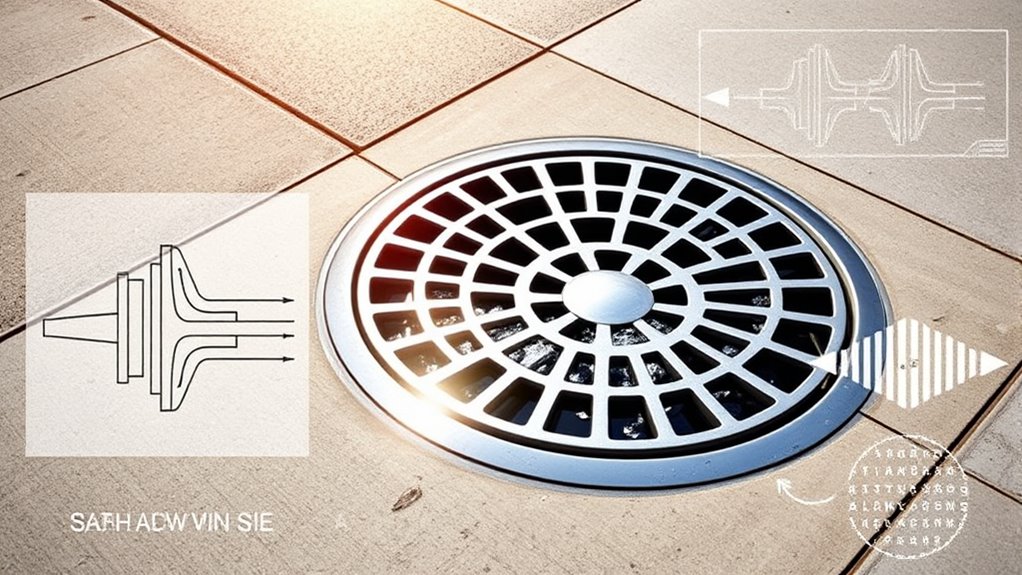
A well-designed catch basin plays a essential role in managing stormwater runoff and preventing flooding. When you focus on effective stormwater management, you’re ensuring that excess water from heavy rains is efficiently directed away from streets, buildings, and other infrastructure. Proper sizing of the catch basin is fundamental because it determines how much water it can handle before overflowing. If it’s too small, it’ll quickly become overwhelmed, leading to localized flooding and water damage. Conversely, an oversized basin might be unnecessary and costlier, but it provides a safe buffer during extreme weather events. To get the sizing right, you need to analyze the typical rainfall intensity, catchment area, and flow rates. This way, you can select a basin that accommodates peak flows without causing backups or backups that could lead to erosion or property damage.
Proper catch basin sizing prevents flooding and property damage during heavy rains.
Flow dynamics within the catch basin are equally important. You want water to enter smoothly without causing turbulence or splashing that could dislodge debris or cause noise. Proper inlet design, such as the placement and shape of grates and openings, helps control flow velocity and prevents blockages. Managing flow also involves making sure the outlet pipe can handle the volume without backing up. When flow exceeds the basin’s capacity, it results in overflow conditions that compromise stormwater management efforts. Hence, understanding the flow rate and designing for it ensures your catch basin functions reliably during storms of varying intensities. Additionally, flow rate analysis helps predict how the system responds during peak rainfall events.
Noise is an often-overlooked aspect of catch basin design, but it can impact nearby residents or businesses. Sudden surges of water or debris hitting the basin walls generate noise, especially during heavy rains. To minimize this, you can incorporate sound-absorbing materials or design features that dampen the impact of water flow. Proper grating and cover designs also help reduce noise levels by controlling how water enters and exits the basin. Keeping noise at a manageable level not only improves community comfort but also reduces complaints and potential maintenance issues related to vibrations or structural stress.
Speaking of maintenance, regular upkeep is essential for the longevity and efficiency of your catch basin. Establishing routine maintenance procedures—such as inspecting for debris accumulation, sediment buildup, or damage—is critical to keep the system functioning at its best. Cleaning out the basin and checking for blockages helps prevent backups and flooding, especially after significant storms. Additionally, inspecting inlet and outlet structures ensures they’re free of obstructions and in good condition. With consistent maintenance, you prolong the lifespan of your catch basin and ensure it continues to perform its stormwater management duties effectively, even during severe weather conditions. Proper design combined with diligent maintenance procedures ultimately guarantees your stormwater system operates smoothly and reliably.
As an affiliate, we earn on qualifying purchases.
Frequently Asked Questions
How Often Should Catch Basins Be Inspected and Maintained?
You should inspect your catch basins at least twice a year, ideally in spring and fall, to guarantee proper function. Regular inspections help identify clogs or damage early. Follow maintenance best practices by removing debris, cleaning out sediment, and checking for leaks. If you experience heavy rainfall or debris buildup, consider more frequent inspections to prevent flooding or backups. Staying proactive keeps your drainage system efficient and reliable.
What Materials Are Best for Noise Reduction in Catch Basins?
You should use soundproofing materials and noise reducing liners in your catch basin to minimize noise. Materials like rubber, foam, or specialized acoustic liners absorb sound effectively. Installing noise reducing liners along the basin walls can notably cut down noise from water flow and traffic. Make sure to select high-quality, durable soundproofing options that withstand environmental conditions to ensure long-lasting noise reduction and maintain your basin’s efficiency.
How Do Climate Conditions Affect Catch Basin Design?
Climate impact and seasonal variation substantially influence catch basin design. You should consider local climate conditions to guarantee proper flow and prevent flooding during heavy rains or snowmelt. In colder regions, incorporate freeze-resistant materials and adequate insulation. For areas with seasonal storms, size the basin to handle peak runoff. Adjust design features like grates and outlets to accommodate fluctuating water levels, ensuring efficiency and durability year-round.
Can Catch Basins Be Customized for Specific Site Needs?
Your catch basin can be as unique as your site with customized solutions. You should explore site-specific customization options, which allow for adjustments based on your area’s rainfall, flow rates, and space constraints. Modular design makes this even easier, letting you tailor the basin’s size and features precisely to your needs. This guarantees ideal performance and longevity, turning a standard catch basin into a perfect fit for your project’s demands.
What Are Common Signs of Catch Basin Failure?
You’ll notice signs of catch basin failure when you see clogging indicators like slow drainage or frequent backups. Structural damage, such as cracked or broken components, also signals trouble. If you observe debris buildup, water pooling around the basin, or damage to the grate or frame, it’s time to examine and maintain the system. Addressing these issues promptly helps prevent flooding and ensures proper stormwater management.
Conclusion
In catch basin design, proper sizing and flow management are essential, but so is controlling noise to protect surrounding environments. You might focus on flow capacity, yet overlook the noise that can disturb nearby communities. Balancing these elements ensures a system that’s both efficient and considerate. After all, a well-designed catch basin isn’t just about handling water—it’s about creating harmony between functionality and comfort, proving that sometimes, quiet solutions make the biggest impact.
Halloween Picks
halloween
As an affiliate, we earn on qualifying purchases.