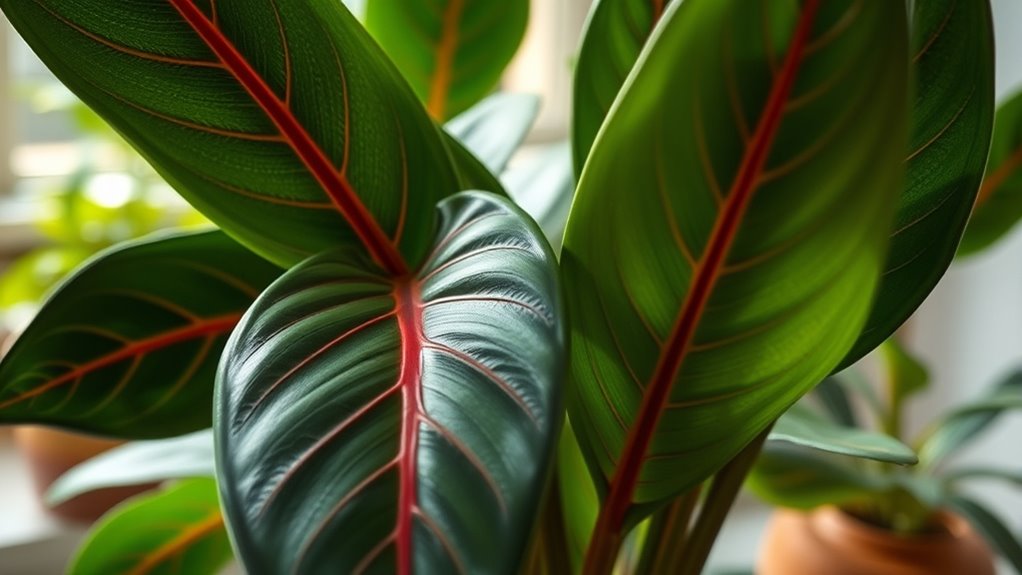

To care for your Ficus elastica, make certain it’s planted in well-draining soil with adequate drainage holes to prevent root rot. Water only when the top inch dries out; overwatering can harm the plant. Prune damaged or leggy stems to maintain a bushy look and remove dead leaves to promote healthy growth. Place it in bright, indirect sunlight and maintain good airflow. Stay attentive to these basics, and you’ll discover even more tips for lush, thriving foliage.

Get garden gear delivered free — and shop member deals
- Fast, free delivery on millions of items
- Access to Prime Big Deal Days deals on October 6–7
- Prime Video, Amazon Music and more included
Key Takeaways
- Use well-draining soil with perlite or coarse sand to prevent waterlogging and root rot.
- Water only when the top inch of soil is dry, ensuring excess water drains freely through drainage holes.
- Place in bright, indirect sunlight and maintain good airflow for healthy foliage growth.
- Regularly prune dead or overgrown stems to promote bushier, more vigorous growth.
- Monitor for pests like spider mites and mealybugs, and remove damaged leaves to keep the plant healthy.
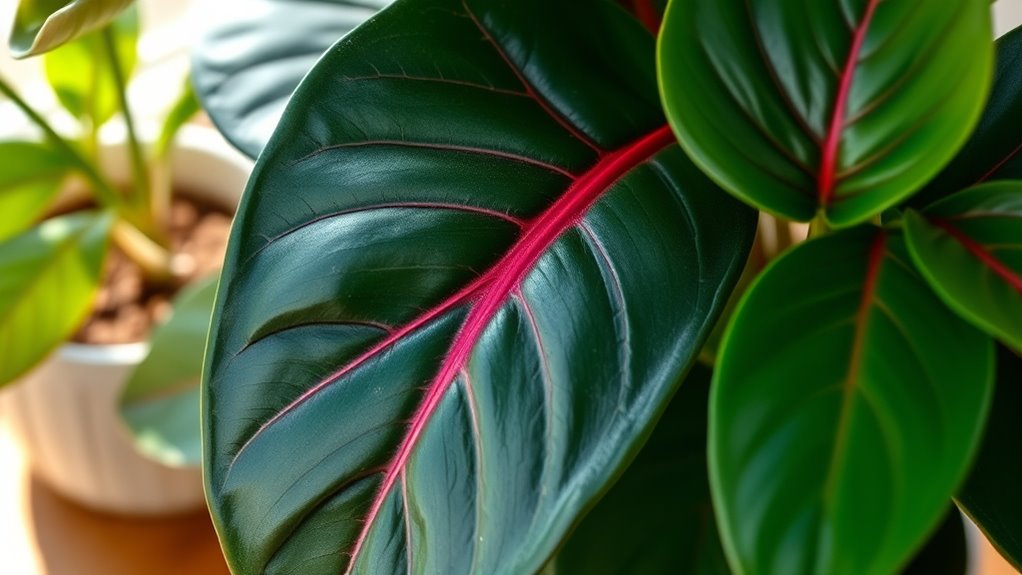
Caring for a rubber plant is straightforward when you understand its basic needs. One of the most important aspects is ensuring the plant’s soil drainage is proper. Rubber plants dislike sitting in water, so you should use a well-draining soil mix to prevent root rot. A good combination includes standard potting soil with added perlite or coarse sand. This mixture allows excess water to escape quickly, keeping the roots healthy and oxygenated. When watering, wait until the top inch of soil feels dry before giving the plant a drink. Overwatering is a common mistake, so always check the soil moisture first. Avoid letting your rubber plant sit in standing water by ensuring your pot has drainage holes. If excess water collects at the bottom, it can lead to root decay and weaken the plant over time.
Pruning techniques play a vital role in maintaining a healthy, attractive rubber plant. Regular pruning encourages bushier growth and removes any damaged or dead leaves, which can otherwise attract pests or diseases. When pruning, use clean, sharp scissors or pruning shears to make clean cuts just above a leaf node or side branch. This encourages new growth and helps shape the plant. Don’t be afraid to cut back leggy or overgrown stems; rubber plants respond well to pruning and often become more vigorous afterward. If you notice branches crossing or crowding each other, trimming them allows better airflow and light penetration, promoting overall health. Always remove any yellowing or fallen leaves to prevent potential fungal issues. Keep in mind that pruning also helps control the size of your rubber plant, especially if you’re growing it indoors and want to keep it manageable. Additionally, understanding the soil drainage needs of your rubber plant is crucial for its longevity and health.
Aside from soil drainage and pruning, providing adequate light, maintaining proper humidity, and avoiding drafts are essential for your plant’s well-being. Place your rubber plant in a bright spot with indirect sunlight, which it thrives on. If the leaves start to sag or lose their vibrancy, consider adjusting its position or supplementing with grow lights. Regularly inspecting your plant for pests like spider mites or mealybugs is also crucial. Maintaining good airflow around your rubber plant, combined with consistent watering and pruning, will ensure it remains lush and healthy. With a bit of attention to soil drainage and thoughtful pruning techniques, you’ll enjoy a vibrant, thriving rubber plant that adds a touch of greenery to your space.
Ficus elastica well-draining soil mix
As an affiliate, we earn on qualifying purchases.
As an affiliate, we earn on qualifying purchases.
Frequently Asked Questions
How Often Should I Prune My Rubber Plant?
You should prune your rubber plant when you notice overgrowth or dead leaves, usually every 6 to 12 months. Pruning timing is best in spring or early summer to encourage healthy growth. Use proper trimming techniques by sterilizing your tools and making clean cuts just above a leaf node. This helps shape the plant, remove damaged branches, and promotes bushier, more vigorous growth.
Can Rubber Plants Tolerate Low Humidity Levels?
Like a fish in water, your rubber plant prefers stable humidity levels, but it can tolerate low humidity. While it thrives in higher humidity, it’s adaptable to indoor air with lower moisture. To prevent leaf drop or browning, consider occasional misting or using a humidifier. Keep in mind, consistent humidity tolerance helps your plant stay healthy, even in rooms with drier indoor air.
What Are Common Pests That Attack Ficus Elastica?
You should watch out for common pests like spider mites, mealybugs, and scale insects, which can attack your Ficus elastica. These pests often hide on new growth or the undersides of leaves. Fungal infections, caused by overwatering or poor airflow, can also threaten your plant. Regularly inspect your rubber plant, keep humidity levels balanced, and treat pests promptly with insecticidal soap to keep it healthy and thriving.
How Do I Propagate a Rubber Plant Successfully?
Did you know that over 70% of houseplant enthusiasts successfully propagate rubber plants? To do this, take healthy cutting propagation, ideally a 4-6 inch stem with leaves. Dip the cut end in rooting hormone, then plant it in well-draining soil selection, such as a mix of peat and perlite. Keep the soil moist and place the cutting in bright, indirect light for the most favorable root development.
Is It Safe to Keep Rubber Plants Around Pets?
You should be cautious about keeping rubber plants around pets because of toxicity concerns. The plant contains compounds that can cause irritation, drooling, or more serious symptoms if your pet chews on it. To guarantee pet safety, place your rubber plant out of reach or consider replacing it with non-toxic alternatives. Always monitor your pets around houseplants and consult your vet if you suspect ingestion.
Conclusion
Caring for your rubber plant is like nurturing a small adventure—you watch it grow and thrive with patience and attention. I once saw a tiny sapling transform into a towering masterpiece, reminding me that consistent care can turn a simple seed into a stunning centerpiece. With the right watering, light, and love, your Ficus elastica will flourish just as beautifully. Keep tending to it, and watch your plant become a true affirmation to your dedication.
Evergreen bestsellers Picks
bestsellers
As an affiliate, we earn on qualifying purchases.