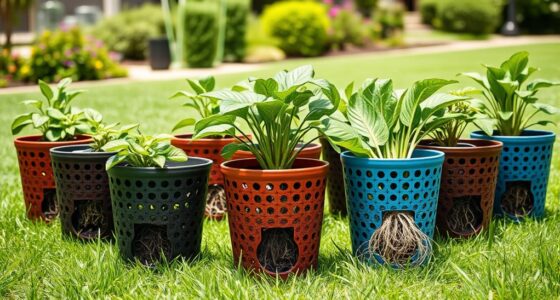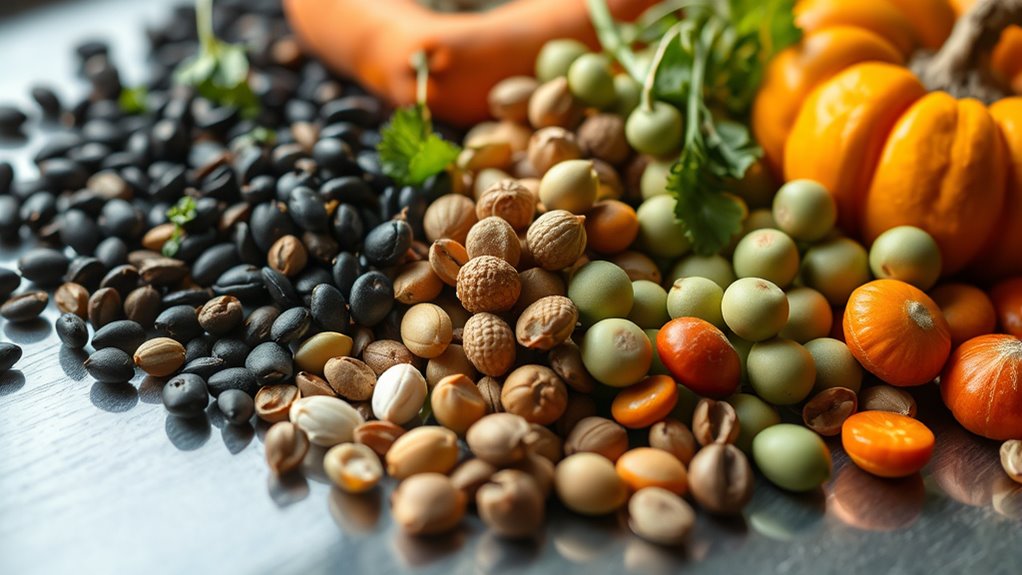

Not every vegetable seed belongs in a pot, and that’s the central problem for container gardeners browsing seed packs. Most variety kits are built for in-ground beds, packed with sprawling squash and full-size corn that will never thrive on a patio. After comparing 15 popular options through a container-first lens, the Tower Garden Seeds 15 Variety Collection stands out as my best overall pick because every variety in it was selected for compact, small-space growing. The Organic Container Garden Seeds Variety Pack is a strong certified-organic alternative, while Tiny Tim Tomato Seeds is the single-variety winner for gardeners who want one proven dwarf performer. The main tradeoffs you’ll face: breadth versus container-suitability (big kits include varieties you can’t use), organic certification versus price, and beginner-friendly variety versus germination consistency. Keep reading for the full breakdown of all 15.

Get garden gear delivered free with Prime
- Fast, free delivery on millions of items
- Prime Video, Amazon Music and more included
- Member-only deals all year
Complete the kit



Key Takeaways
- Variety count proved misleading: large kits like the 43-packet set and 17,600+ seed pack include many full-size varieties (melons, corn, large squash) that fail in containers, while the Tower Garden 15 Variety Collection wins on selection-for-purpose rather than volume.
- Single-variety packets like Tiny Tim Tomato and Patio Snack Mix consistently outperform variety kits on container fit because they’re bred or chosen specifically for compact growth habits.
- Certified organic options (Back to the Roots, Sereniseed, the Organic Container Garden pack) cost more per variety but deliver traceability and cleaner growing — a worthwhile premium only if certification matters to you.
- Hydroponic and indoor-focused kits (the Hydroponic & Indoor Garden Seed Kit) skew toward fast, compact greens and herbs, making them better for year-round indoor growers than patio gardeners wanting fruiting vegetables.
- Seasonal targeting matters: the Organo Republic Winter pack covers cool-season containers, a niche almost every other kit ignores — most assume a single warm-season planting window.
| Tiny Tim Tomato Seeds – Survival Garden Seeds |  | Best Overall for Containers | Variety: Tiny Tim Cherry Tomato (determinate) | Plant Height: 12–18 inches | Seed Type: Heirloom, Non-GMO, Open-Pollinated, Untreated | VIEW ON AMAZON | See Our Full Breakdown |
| 36 Vegetable Variety Pack – 17,600+ Non-GMO Heirloom Seeds |  | Best Value Bulk Pack | Seed Varieties: 36 | Total Seeds: 17,600+ | Germination Rate: 90%+ | VIEW ON AMAZON | See Our Full Breakdown |
| Vegetable & Herb Seeds Variety Pack – 30 Heirloom Seed Gift Kit |  | Best Beginner Gift Kit | Seed Varieties: 30 heirloom vegetables and herbs | Seed Type: Heirloom, Non-GMO, Open-Pollinated | Includes: 30 packets, 5 mini tools, waterproof bag, growing guide | VIEW ON AMAZON | See Our Full Breakdown |
| NatureZ Edge Heirloom Vegetable Seed Variety Pack, 11 Varieties |  | Best for Cool-Season Containers | Varieties: 11 vegetable varieties | Seed Type: Non-GMO, open-pollinated heirloom | Packaging: Resealable, moisture-proof pouches | VIEW ON AMAZON | See Our Full Breakdown |
| 32-Pack Heirloom Vegetable and Fruit Seed Variety Set |  | Best for Long-Term Seed Storage | Number of Packs: 32 | Seed Count: 15,000+ | Seed Type: Heirloom | VIEW ON AMAZON | See Our Full Breakdown |
| Patio Snack Mix Mini Sweet Pepper Seeds for Planting, 1 Pack |  | Best Single Crop for Small Patios | Plant type: Capsicum annuum ‘Patio Snack Mix’ | Seed quantity: 1 pack | Fruit colors: Red, yellow, and orange | VIEW ON AMAZON | See Our Full Breakdown |
| Back to the Roots 100% Heirloom Rescued Seeds, Variety Pack, 30ct of Organic Veggies, Herbs & Flowers |  | Best for Sustainable Variety | Quantity: 30 seed packets | Seed types: Heirloom, organic, non-GMO | Includes: Herbs, vegetables, and flowers | VIEW ON AMAZON | See Our Full Breakdown |
| Tower Garden Seeds 15 Variety Collection – Heirloom Compact Vegetables & Herbs for Small Space, Patio, & Container Growing |  | Best for Compact Crop Variety | Number of seed packs: 15 | Listed seed types: Basil, chives, Red Russian kale, lettuce, nasturtium, white onion, pak choi, tatsoi, parsley, radish, alpine strawberry, Swiss chard, and thyme | Suitable for: Small spaces, patios, containers, and vertical gardens | VIEW ON AMAZON | See Our Full Breakdown |
| Organo Republic Winter Vegetable and Greens Seeds Variety Pack, 25 Heirloom Seed Packets |  | Best for Greens and Seed Storage | Seed varieties: 25 | Seed quantity: More than 27,675 | Seed type: Non-GMO, heirloom, non-hybrid | VIEW ON AMAZON | See Our Full Breakdown |
| Organic Container Garden Seeds Variety Pack – 10 Packets (Non-GMO, Certified Organic) |  | Best Purpose-Built Container Set | Seed packets: 10 individual packets | Listed varieties: Roquette arugula, Genovese basil, De Ciccio broccoli, Provider bush bean, lemon cucumber, Gourmet Mix baby lettuce, Tom Thumb lettuce, Cherry Belle radish, Roma tomato, and garlic chives | Season: 2026 | VIEW ON AMAZON | See Our Full Breakdown |
| Hydroponic & Indoor Garden Seed Kit – 20 Compact Vegetable & Herb Varieties |  | Best for Hydroponic Variety | Variety count: 20 | Included crops: Lettuce, cucumber, snap pea, carrot, basil, arugula, thyme, spinach, parsley, onion, radish, peppers, kale, and others | Seed type: Heirloom, non-GMO, open-pollinated, untreated | VIEW ON AMAZON | See Our Full Breakdown |
| Tactiko Urban Garden Vegetable Seed Kit, 15 Varieties |  | Best Starter Kit for Small Spaces | Variety count: 15 | Included crops: Tomato, zucchini, pepper, basil, beans, beet, carrot, cucumber, eggplant, kale, lettuce, onion, parsley, radish, and spinach | Seed type: Non-GMO, heirloom, open-pollinated | VIEW ON AMAZON | See Our Full Breakdown |
| Gardeners Basics Survival Seed Vault Kit, 35 Heirloom Vegetable Varieties |  | Best for Maximum Seed Variety | Variety count: 35 | Seed count: 16,000+ | Seed type: Non-GMO, heirloom, non-hybrid, open-pollinated | VIEW ON AMAZON | See Our Full Breakdown |
| Sereniseed Certified Organic Vegetable Seeds, 10 Varieties |  | Best Certified Organic Pick | Variety count: 10 | Included crops: Tomato, bean, snap pea, zucchini, broccoli, basil, lettuce, jalapeño pepper, cucumber, and carrot | Certification: USDA Certified Organic by Oregon Tilth | VIEW ON AMAZON | See Our Full Breakdown |
| Set of 43 Assorted Heirloom Vegetable and Herb Seed Packets |  | Best for Broad Crop Experimentation | Seed packets: 43 assorted vegetable and herb packets | Seed count: Over 10,000 | Seed type: Heirloom, non-GMO | VIEW ON AMAZON | See Our Full Breakdown |
| vegetable seeds perfect for container gardening | Seed Type |
|---|---|
| Tiny Tim Tomato Seeds | Heirloom, Non-GMO, Open-Pollinated, Untreated |
| 36 Vegetable Variety Pack | Non-GMO Heirloom |
| Vegetable & Herb Seeds Variety | Heirloom, Non-GMO, Open-Pollinated |
| NatureZ Edge Heirloom Vegetabl | Non-GMO, open-pollinated heirloom |
| 32-Pack Heirloom Vegetable and | Heirloom |
| Patio Snack Mix Mini Sweet Pep | Heirloom, open-pollinated, non-GMO; untreated |
| Back to the Roots 100% Heirloo | — |
| Tower Garden Seeds 15 Variety | Heirloom |
| Organo Republic Winter Vegetab | Non-GMO, heirloom, non-hybrid |
| Organic Container Garden Seeds | — |
| Hydroponic & Indoor Garden See | Heirloom, non-GMO, open-pollinated, untreated |
| Tactiko Urban Garden Vegetable | Non-GMO, heirloom, open-pollinated |
| Gardeners Basics Survival Seed | Non-GMO, heirloom, non-hybrid, open-pollinated |
| Sereniseed Certified Organic V | Non-GMO, open-pollinated |
| Set of 43 Assorted Heirloom Ve | Heirloom, non-GMO |
More Details on Our Top Picks
Tiny Tim Tomato Seeds – Survival Garden Seeds
When the brief is container gardening specifically, most variety packs miss the mark — sprawling watermelons and corn have no business on a patio. This is where Tiny Tim earns the top spot: at 12–18 inches tall, it was bred for exactly this job, thriving in a one-gallon pot on a balcony or even a sunny windowsill. Compared with the 32-Pack Heirloom Set’s standard tomato seeds, Tiny Tim trades size for genuine small-space practicality, producing heavy clusters of sweet cherry tomatoes without demanding a raised bed. The determinate habit means the plant stays tidy and finishes on a predictable schedule. The main tradeoff is patience and planning: you’ll need to start seeds indoors 10–12 weeks early, and even compact plants fruit better with a small stake. But if your garden is measured in square feet, nothing else in this lineup fits as precisely.
Pros:- Compact 12–18 inch habit purpose-bred for containers and indoor growing
- Heavy yields of sweet cherry tomatoes on a small, tidy plant
- Disease and pest resistant with minimal maintenance needs
- Open-pollinated heirloom seeds suitable for seed saving
Cons:- Requires indoor seed starting 10–12 weeks before transplanting
- Still needs a trellis or support once fruit clusters form
- Only one variety per pack, so no crop diversity
Best for: Balcony, patio, and windowsill gardeners who want productive vegetables in pots under two feet tall
Not ideal for: Gardeners wanting variety in one purchase — this is a single crop, not a diverse kit
- Variety:Tiny Tim Cherry Tomato (determinate)
- Plant Height:12–18 inches
- Seed Type:Heirloom, Non-GMO, Open-Pollinated, Untreated
- Sunlight:Full sun
- USDA Hardiness Zones:4–11
- Planting Period:Spring
- Special Features:Disease resistant, pest resistant, high germination rate
Our verdict“The pick for anyone whose entire garden is a pot — it delivers real harvests from a plant sized for the smallest spaces.”
36 Vegetable Variety Pack – 17,600+ Non-GMO Heirloom Seeds
Measured purely on seed count per dollar, nothing in this roundup touches 17,600+ seeds across 36 varieties. Unlike Tiny Tim, which nails one crop perfectly, this kit bets on breadth — and for a container gardener, that breadth is a double-edged trowel. You’ll find plenty of pot-friendly options among the 36 varieties, but also plants that will outgrow anything smaller than a half-barrel. What makes it a better value play than the similar 32-Pack Heirloom Set is the claimed 90%+ germination rate and inclusion of planting guides, which matter when you’re sowing this many different crops. The tradeoffs are real: packet sizes aren’t detailed, so you can’t gauge how long the seed supply lasts, and beginners may feel overwhelmed by varieties with wildly different needs. Compared with the 30-packet gift kit, it skips tools and gift packaging in favor of raw quantity — a fair trade if tools aren’t the draw.
Pros:- Enormous seed count (17,600+) across 36 heirloom varieties
- Claimed 90%+ germination rate supports reliable sprouting
- Planting guides included for less experienced growers
- Works across containers, raised beds, greenhouses, and hydroponics
Cons:- No detail on individual packet sizes or seed longevity
- Many varieties are poorly suited to container growing
- Sheer scope can overwhelm true beginners
Best for: Budget-minded gardeners stocking a first-season container garden who want maximum seeds and variety for the spend
Not ideal for: Small-space growers who only need a handful of pot-appropriate crops — much of this seed will go unused
- Seed Varieties:36
- Total Seeds:17,600+
- Germination Rate:90%+
- Seed Type:Non-GMO Heirloom
- Grown In:USA
- Suitable For:Indoor, outdoor, greenhouse, hydroponic
Our verdict“The volume play — ideal if you want a deep seed bank for containers plus everything else, but overkill for a two-pot patio.”
Vegetable & Herb Seeds Variety Pack – 30 Heirloom Seed Gift Kit
This kit understands that a first-time container gardener needs more than seeds — it needs context and tools. Alongside 30 heirloom vegetable and herb packets chosen for actual kitchen use, you get five mini garden tools, a waterproof storage bag, and a step-by-step guide, all wrapped in a burlap drawstring bag. Compared with the 36-Variety Pack, you give up seed volume but gain a curated, beginner-navigable experience; compared with NatureZ Edge’s 11-variety pack, the extras here justify it as the gift-giving choice. The herb selection is a quiet advantage for container growers — herbs are among the most reliable pot crops, and the guide’s emphasis on well-draining potting soil shows the kit was assembled with realistic growing conditions in mind. The honest tradeoff: germination will vary by variety, and 30 different crops still demand attention to light and watering that novices must learn. The gift packaging also adds cost that a self-buying experienced gardener doesn’t need.
Pros:- 30 kitchen-focused heirloom varieties including container-friendly herbs
- Includes mini tools, waterproof storage bag, and step-by-step guide
- Attractive burlap packaging suited to gifting
- USA-grown, tested, and packed seeds
Cons:- Germination success varies notably across 30 different varieties
- Beginners must still manage light and soil drainage carefully
- Gift packaging inflates price for a purely functional purchase
Best for: Gift-givers and first-time gardeners who want a complete, ready-to-give starter experience with tools and guidance included
Not ideal for: Experienced growers buying for themselves — the tools, bag, and packaging add cost without adding seeds
- Seed Varieties:30 heirloom vegetables and herbs
- Seed Type:Heirloom, Non-GMO, Open-Pollinated
- Includes:30 packets, 5 mini tools, waterproof bag, growing guide
- Origin:Grown, tested, and packed in USA
- USDA Hardiness Zones:3–9
- Sunlight:Full sun to partial shade
- Soil:Well-draining potting soil
Our verdict“The gift-ready starter kit that trades seed volume for tools and guidance — best for someone planting their very first containers.”
NatureZ Edge Heirloom Vegetable Seed Variety Pack, 11 Varieties
While most kits here — like the 32-Pack Set — assume a spring-through-summer growing calendar, NatureZ Edge carves out a different niche by including cold-weather selections for a winter garden. That matters for container growers especially: potted soil warms and cools faster than ground soil, so shoulder-season and winter crops like greens and roots often perform better in pots than heat-loving melons ever will. Eleven varieties keep the scope manageable compared with the overwhelming 36-Variety Pack, and the resealable, moisture-proof pouches are a genuine storage advantage over basic paper packets, letting you split sowings across seasons. The glaring weakness is transparency: no specific varieties are listed up front, so you’re buying on faith that the mix suits your pots and palate. Instructions on each packet partially offset that. It’s a focused, seasonal bet rather than a catch-all kit — and that focus is exactly the point.
Pros:- Includes cold-weather varieties for extended-season growing
- Resealable, moisture-proof pouches preserve unused seed
- Compact 11-variety scope is manageable for smaller setups
- Growing instructions included on every packet
Cons:- No specific varieties listed, so the mix is a mystery at purchase
- Smaller variety count than similarly priced competitors
- Not all included crops are guaranteed container-appropriate
Best for: Mild-climate and fall/winter container gardeners who want a small, storage-friendly mix weighted toward cold-tolerant crops
Not ideal for: Gardeners who want to know exactly what they’re planting before buying — the variety list isn’t disclosed
- Varieties:11 vegetable varieties
- Seed Type:Non-GMO, open-pollinated heirloom
- Packaging:Resealable, moisture-proof pouches
- Growing Instructions:Included with each packet
- Sourcing:U.S. suppliers, packed in USA
- Season Suitability:Includes winter garden selections
Our verdict“A seasonal specialist for pots that produce past summer’s end — just be comfortable buying a seed mix sight-unseen.”
32-Pack Heirloom Vegetable and Fruit Seed Variety Set
This set’s real differentiator isn’t the 15,000+ seed count — it’s the individual resealable, waterproof packets, which make it the strongest option here for storing seed across multiple seasons. Where the 30-packet gift kit splurges on tools and burlap, this set puts its budget into 32 individually protected packets plus a growing guide, and the seller’s germination support adds a safety net the NatureZ Edge pack doesn’t offer. For container gardeners, the picture is mixed: beans, lettuce, kale, radishes, and spinach will thrive in pots, but the corn, watermelon, cantaloupe, and pumpkin varieties are genuinely impractical for small-space growing. Compared with the 36-Variety Pack, you get fewer seeds but a published variety list, which lets you plan your pots in advance. The absence of stated germination rates is the weak spot — you’re relying on the seller’s support if sprouting disappoints rather than on published numbers.
Pros:- 32 individually labeled varieties across vegetables and fruits
- Waterproof resealable packets support multi-season storage
- Published variety list enables advance garden planning
- Seller offers germination assistance
Cons:- No stated germination rates for any variety
- Includes large-space crops (corn, watermelon, pumpkin) unsuited to containers
- Care requirements vary widely across 32 varieties
Best for: Gardeners building a multi-season seed reserve who value organized, resealable storage and know which varieties to grow in pots
Not ideal for: Container-only growers with limited space — a third of these varieties simply won’t fit in pots
- Number of Packs:32
- Seed Count:15,000+
- Seed Type:Heirloom
- Packet Features:Resealable, waterproof
- Included Accessory:Growing guide
- Usage:Indoor and outdoor
- Planting Period:Spring
Our verdict“The storage-minded pick for a stocked seed reserve — strong for planners, frustrating for anyone growing strictly in pots.”
Patio Snack Mix Mini Sweet Pepper Seeds for Planting, 1 Pack
Compact growth and snack-size fruit make this pepper seed pack a focused choice for a sunny container. Plants reach about 18 inches, and red, yellow, and orange peppers can be picked at different stages for fresh eating or roasting. Its stated 60–75 day maturity window gives container growers a relatively quick crop compared with broader collections such as the Back to the Roots 100% Heirloom Rescued Seeds Variety Pack, where the exact varieties may vary. That focus is also the tradeoff: one pack gives less planting variety, and the plants need full sun and regular watering. Starting seedlings indoors 8–10 weeks before the last frost takes planning, so this is a better fit for growers willing to manage a seasonal start than for anyone seeking a ready-to-sow mixed kit.
Pros:- Compact plants are suited to pots and small gardens.
- Three fruit colors add variety to fresh eating and roasting.
- Stated maturity window is 60–75 days.
- Heirloom, open-pollinated, untreated seeds.
Cons:- Needs full sun and regular watering.
- Seedlings need an indoor start 8–10 weeks before the last frost.
- A single crop type offers less variety than a seed collection.
Best for: Patio gardeners with a sunny spot who want compact, colorful peppers for fresh snacks.
Not ideal for: Growers with shaded balconies or anyone who wants a mixed harvest without starting seedlings indoors.
- Plant type:Capsicum annuum ‘Patio Snack Mix’
- Seed quantity:1 pack
- Fruit colors:Red, yellow, and orange
- Days to maturity:60–75 days
- Expected plant height:18 inches
- Sunlight:Full sun
- Seed type:Heirloom, open-pollinated, non-GMO; untreated
- Growing locations:Indoor and outdoor
Our verdict“Choose this pack for a sunny patio where compact, colorful peppers matter more than crop variety.”
Back to the Roots 100% Heirloom Rescued Seeds, Variety Pack, 30ct of Organic Veggies, Herbs & Flowers
The appeal here is breadth with a waste-reduction angle: 30 packets span herbs, vegetables, and flowers, and the seeds are described as rescued surplus. For container gardeners who want to try several crops, that mix can make better use of a patio than committing every pot to one plant, like the Patio Snack Mix Mini Sweet Pepper Seeds. The tradeoff is limited control. The assortment may change between orders, and the exact varieties are not specified, so I can’t match each packet to a pot size, maturity window, or growing condition from the listing. Its germination guarantee adds reassurance, but a buyer who has a precise planting plan should favor a named, container-focused set. This mix suits experimentation more than predictable crop planning.
Pros:- Thirty packets cover herbs, vegetables, and flowers.
- Rescued surplus seeds support a waste-reduction approach.
- Seeds are described as organic, heirloom, and non-GMO.
- Includes a germination guarantee.
Cons:- The assortment may vary between orders.
- Exact seed varieties are not listed.
- Limited variety details make container planning less predictable.
Best for: Container gardeners who enjoy trying assorted herbs, vegetables, and flowers and are comfortable adapting plans to a changing mix.
Not ideal for: Growers with limited pots who need named varieties selected for specific container sizes or harvest schedules.
- Quantity:30 seed packets
- Seed types:Heirloom, organic, non-GMO
- Includes:Herbs, vegetables, and flowers
- Germination guarantee:Yes
- Sustainability:Rescued surplus seeds
- Planting locations:Indoor and outdoor
Our verdict“Pick this mix if sustainability and experimentation matter more than choosing specific container crops.”
Tower Garden Seeds 15 Variety Collection – Heirloom Compact Vegetables & Herbs for Small Space, Patio, & Container Growing
Fifteen named seed packs give this collection a useful balance for growers planning several containers or a vertical garden. The listed mix includes leafy greens, herbs, radish, onion, and alpine strawberry, with crops such as lettuce, pak choi, and tatsoi that can suit tighter spaces. That makes it more directed for container use than the Back to the Roots rescued variety pack, whose exact contents may vary. The collection also supports soil, hydroponic, and vertical growing, which gives experienced growers room to choose a setup. Its range asks for more coordination, though: crops can have different growing needs, and the listing says conditions may need to be tailored. With no individual pot sizes or maturity dates supplied, beginners seeking step-by-step crop planning may find the range harder to manage.
Pros:- Fifteen packs include a range of named vegetables, herbs, and alpine strawberry.
- Collection is described for small spaces, patios, and containers.
- Supports soil, hydroponic, and vertical growing methods.
- Seeds are described as heirloom, non-GMO, and untreated.
Cons:- Different crops may call for different growing conditions.
- The listing does not provide crop-specific pot sizes or maturity dates.
- Managing a varied collection may be challenging for beginners.
Best for: Small-space growers who want a planned mix of named greens, herbs, and compact crops for containers or a vertical system.
Not ideal for: First-time gardeners looking for detailed crop-by-crop instructions or a simple single-crop container start.
- Number of seed packs:15
- Listed seed types:Basil, chives, Red Russian kale, lettuce, nasturtium, white onion, pak choi, tatsoi, parsley, radish, alpine strawberry, Swiss chard, and thyme
- Suitable for:Small spaces, patios, containers, and vertical gardens
- Growing methods:Soil, hydroponics, and vertical gardening
- Seed type:Heirloom
- Seed treatment:Untreated
- Other listed attributes:Non-GMO and quality tested
Our verdict“Choose this collection for a small-space garden when you want crop variety and can manage different growing needs.”
Organo Republic Winter Vegetable and Greens Seeds Variety Pack, 25 Heirloom Seed Packets
With 25 packets and more than 27,675 seeds, this set is built for growers who want a substantial supply of greens and vegetables, including options for indoor and outdoor planting. The resealable waterproof bag and stated storage life of up to two years are practical if I plan staggered sowings across containers rather than planting everything at once. Compared with the Tower Garden Seeds 15 Variety Collection, this pack offers more packets and includes tools plus QR-linked growing and recipe guides; the listing, however, gives less confidence about how its varieties fit particular pots. The stated 8-inch plant height may not apply to every crop in a 25-variety mix, and results depend on growing conditions. This is a bulk-oriented choice, not the clearest pick for precise container layouts.
Pros:- Includes 25 varieties and more than 27,675 seeds.
- Resealable waterproof bag is listed for storage up to two years.
- Includes mini gardening tools and QR-linked guides.
- Suitable for indoor and outdoor planting.
Cons:- The listed 8-inch height may not describe every variety.
- Growing results vary with conditions.
- A large mix can be harder to plan for limited container space.
Best for: Experienced home growers who want many seed packets for repeated sowings in indoor or outdoor containers.
Not ideal for: New container gardeners who need reliable crop-by-crop height and pot guidance before planting.
- Seed varieties:25
- Seed quantity:More than 27,675
- Seed type:Non-GMO, heirloom, non-hybrid
- Reported germination rate:90%+
- Planting period:Year-round
- Expected plant height:8 inches listed
- Package and storage:Waterproof resealable bag; listed storage life up to 2 years
- Included tools:Leaf clipper, tweezers, seed dibber, weeding fork, and widger
Our verdict“Choose this pack for a broad supply and storage-friendly packaging if you can plan around crop-specific needs.”
Organic Container Garden Seeds Variety Pack – 10 Packets (Non-GMO, Certified Organic)
This set earns its place through a named mix of compact crops selected for containers, including Tom Thumb lettuce, bush bean, cherry radish, Roma tomato, and herbs. Those specifics make it easier to assign crops to pots than with the Organo Republic Winter Vegetable and Greens Seeds Variety Pack, which offers many more varieties but gives a general 8-inch height that may not fit every plant. Ten packets also keep the selection manageable, and planting instructions plus a germination guarantee add practical support. The compromise is a smaller range than larger collections, and several crops still need regular watering and suitable light. The listing specifies partial sun, so growers with deeply shaded patios should look elsewhere. I would prioritize this set when container fit matters more than maximum packet count.
Pros:- Ten named varieties are described as compact and suited to containers.
- Certified organic and non-GMO seeds.
- Includes planting instructions and a germination guarantee.
- Reusable zipper packaging is listed.
Cons:- Ten packets provide less breadth than larger variety collections.
- Regular watering is required.
- Partial sun may not suit deeply shaded growing areas.
Best for: Container gardeners who want a manageable set of named vegetables and herbs chosen for patios and small gardens.
Not ideal for: Growers seeking a large seed reserve or gardening in a deeply shaded space.
- Seed packets:10 individual packets
- Listed varieties:Roquette arugula, Genovese basil, De Ciccio broccoli, Provider bush bean, lemon cucumber, Gourmet Mix baby lettuce, Tom Thumb lettuce, Cherry Belle radish, Roma tomato, and garlic chives
- Season:2026
- Sunlight exposure:Partial sun
- Soil type:Varied
- Moisture needs:Regular watering
- Seed attributes:Non-GMO, heirloom, certified organic
- Germination guarantee:30-day refund if seeds do not germinate
Our verdict“Pick this set when you want a compact, named crop selection tailored to container growing.”
Hydroponic & Indoor Garden Seed Kit – 20 Compact Vegetable & Herb Varieties
Twenty compact varieties give this kit a useful range for gardeners growing on a windowsill, patio, or in a hydroponic system. The selection includes several leafy greens and herbs alongside crops such as Spacemaster cucumber, Little Fingers carrot, and peppers, so it offers more crop diversity than a greens-focused collection like the Organo Republic Winter Vegetable and Greens Seeds Variety Pack. Individual packets include planting, germination, and seed-saving instructions, which can help beginners manage different crops with different needs. The tradeoff is that compact plants generally produce smaller harvests than full-sized garden varieties, and a 20-crop assortment takes planning to fit into a limited setup. This is a strong match for growers who value variety and space-conscious options over large yields from a few crops.
Pros:- Includes 20 vegetable and herb varieties suited to small growing spaces
- Offers options for hydroponic systems, vertical towers, patios, and windowsills
- Seeds are heirloom, non-GMO, open-pollinated, and untreated
- Packet instructions cover planting, germination, and seed saving
Cons:- Compact varieties may yield less than full-sized garden types
- Managing 20 crops with different growing needs can be demanding in a small setup
Best for: Indoor gardeners or patio growers who want a broad mix of compact vegetables and herbs for hydroponic systems, towers, or containers.
Not ideal for: Growers seeking large harvests from a few crops or gardeners without room to start and manage many varieties.
- Variety count:20
- Included crops:Lettuce, cucumber, snap pea, carrot, basil, arugula, thyme, spinach, parsley, onion, radish, peppers, kale, and others
- Seed type:Heirloom, non-GMO, open-pollinated, untreated
- Suggested growing setups:Hydroponic systems, vertical towers, patio planters, and windowsills
- Instructions:Planting, germination, and seed-saving instructions included
- Brand:Survival Garden Seeds
- Origin:USA
Our verdict“Choose this kit if you want many space-conscious crops for an indoor or patio garden and can trade larger yields for variety.”
Tactiko Urban Garden Vegetable Seed Kit, 15 Varieties
For a new container gardener, the appeal here is the pairing of 15 dwarf vegetable and herb varieties with a step-by-step guide and mini planting tools. That makes the kit more beginner-oriented than the Gardeners Basics Survival Seed Vault Kit, whose 35 varieties and 16,000-plus seeds offer far more breadth but may be harder to organize in a small garden. Tactiko’s resealable waterproof Mylar bag also gives leftover seeds a designated place between planting sessions. Its selection spans crops from tomato and zucchini to lettuce, spinach, and herbs, but the listing does not specify the exact variety names or growing dimensions. Dwarf plants can be productive in tight spaces, though they may yield less than full-sized plants, and the stated regular watering needs call for consistent care.
Pros:- Dwarf varieties are intended for containers, balconies, and indoor setups
- Includes a planting guide and mini planting tools
- Waterproof resealable Mylar bag helps store unused seeds
- Seeds are USA-grown, non-GMO, heirloom, and open-pollinated
Cons:- Dwarf plants may yield smaller harvests than full-sized varieties
- Regular watering adds ongoing care
- Specific cultivar names are not provided in the listed variety information
Best for: First-time balcony or patio gardeners who want a manageable assortment, basic planting guidance, and included mini tools.
Not ideal for: Gardeners who need named cultivars, large harvests, or a low-maintenance kit that can go long between waterings.
- Variety count:15
- Included crops:Tomato, zucchini, pepper, basil, beans, beet, carrot, cucumber, eggplant, kale, lettuce, onion, parsley, radish, and spinach
- Seed type:Non-GMO, heirloom, open-pollinated
- Seed origin:USA-grown and harvested
- Usage:Indoor and outdoor
- Sunlight:Full sun to partial shade
- Included accessories:Planting guide and mini planting tools
- Storage:Resealable waterproof Mylar bag
Our verdict“Pick this kit if you are starting a small container garden and value basic tools and guidance over detailed cultivar information.”
Gardeners Basics Survival Seed Vault Kit, 35 Heirloom Vegetable Varieties
Thirty-five varieties and more than 16,000 seeds make this the largest-ranging option in this batch, with individually labeled paper packets and plant markers to keep a broad planting plan sorted. That scale distinguishes it from the Tactiko Urban Garden Vegetable Seed Kit, which offers a smaller dwarf-focused assortment and beginner tools. For container gardeners, the vault’s strength is the ability to try many crops and save seeds for later planting; its weakness is the space and attention a large collection can require. The supplied details do not identify compact cultivars, so not every variety will be an obvious fit for pots or small patios. Full-sun exposure and regular watering are also listed needs. I’d choose it for a container gardener who wants breadth and can select carefully, rather than someone seeking a ready-made compact crop plan.
Pros:- Includes 35 vegetable varieties and more than 16,000 seeds
- Individually labeled packets and 35 markers support organization
- Seeds are non-GMO, heirloom, non-hybrid, and open-pollinated
- Resealable Mylar outer bag provides a shared storage pouch
Cons:- Compact or container-suited cultivars are not identified in the listed details
- The large assortment may be difficult to use and organize in a small garden
- Requires full sun and regular watering according to the listed growing information
Best for: Experienced or highly curious container gardeners who want many varieties to choose from and have space to store and sort seed packets.
Not ideal for: Beginners with only a few pots who need confirmed compact cultivars and a simple, container-specific selection.
- Variety count:35
- Seed count:16,000+
- Seed type:Non-GMO, heirloom, non-hybrid, open-pollinated
- Included accessories:35 plant markers
- Packaging:Individually labeled paper packets and resealable Mylar outer bag
- Usage:Indoor and outdoor
- Sunlight:Full sun
- Planting period:Spring to fall
Our verdict“Choose this vault if breadth and seed quantity matter more to you than a curated set of compact container varieties.”
Sereniseed Certified Organic Vegetable Seeds, 10 Varieties
If your container garden plan starts with organic certification, Sereniseed has a clear distinction: 10 USDA Certified Organic varieties, with seeds tested for germination and purity and germination guaranteed. That assurance sets it apart from the Hydroponic & Indoor Garden Seed Kit, whose 20 varieties are described as heirloom and non-GMO but are not listed as certified organic. The selection includes tomato, bean, snap pea, zucchini, broccoli, basil, lettuce, jalapeño, cucumber, and carrot, giving a mix of vegetables and an herb. Still, the product details do not name compact cultivars or container-specific growing instructions, so a buyer will need to check each crop’s space needs before sowing. Its smaller variety count also means less experimentation than the larger kits. I’d favor it for certification and seed testing, not for a ready-made small-space layout.
Pros:- USDA Certified Organic by Oregon Tilth
- Seeds are tested for germination and purity
- Germination is guaranteed
- Includes ten vegetables and herbs suitable for a varied planting plan
Cons:- Compact cultivars are not specified in the product details
- Ten varieties provide less breadth than the 20- and 35-variety kits
- Container-specific growing instructions are not listed
Best for: Container gardeners who prioritize USDA organic certification and tested, guaranteed germination across a focused vegetable selection.
Not ideal for: Growers who need named compact cultivars, extensive container guidance, or the broadest choice of crops.
- Variety count:10
- Included crops:Tomato, bean, snap pea, zucchini, broccoli, basil, lettuce, jalapeño pepper, cucumber, and carrot
- Certification:USDA Certified Organic by Oregon Tilth
- Seed type:Non-GMO, open-pollinated
- Germination:Tested and guaranteed
- Seed testing:Tested for germination and purity
- Packaging freshness:Packed fresh for the current and following year
Our verdict“Choose Sereniseed if organic certification and germination testing matter more than a compact, container-tailored assortment.”
Set of 43 Assorted Heirloom Vegetable and Herb Seed Packets
This set leans toward experimentation: 43 assorted packets and more than 10,000 seeds can give a gardener many crops to trial across containers and seasons. Compared with the Sereniseed Certified Organic Vegetable Seeds, it offers far more packets, but its assortment is only lightly specified and carries no listed organic certification or container-focused cultivar guidance. The stated 7–14 day germination window gives a rough planning reference, though actual timing can vary by crop and growing conditions. A Mylar bag provides a place to store packets in a cool, dry location. The tradeoff for this breadth is uncertainty: without a detailed variety list, it is harder to plan pot sizes, spacing, or which crops suit a balcony. This pick makes most sense for flexible gardeners who enjoy adapting their plan to the packet assortment.
Pros:- Includes 43 assorted vegetable and herb packets
- More than 10,000 seeds support repeated sowing and crop trials
- Heirloom and non-GMO seeds
- Mylar storage bag is included
Cons:- Varieties are only lightly specified, limiting advance container planning
- Compact cultivars and organic certification are not listed
- Germination timing varies by crop and growing conditions
Best for: Gardeners with several containers who enjoy trying a changing mix of vegetables and herbs and can adapt their plan to assorted varieties.
Not ideal for: Small-space growers who need a known list of compact cultivars, organic certification, or precise planting plans before buying.
- Seed packets:43 assorted vegetable and herb packets
- Seed count:Over 10,000
- Seed type:Heirloom, non-GMO
- Germination time:Typically 7–14 days
- Storage:Mylar bag included
- Storage conditions:Cool, dry place
Our verdict“Choose this assortment if you want many seeds to experiment with and are comfortable planning around an only lightly specified mix.”

How We Picked
Because this roundup judges seeds specifically for container gardening, I filtered every product through one primary question: what percentage of the included varieties can realistically reach harvest in a 3–10 gallon pot? Kits lost ranking positions for filler varieties like field corn, watermelon, and vining winter squash. From there, I weighed growth habit and mature size (determinate, dwarf, or bush types scoring highest), germination reliability based on seed sourcing and freshness practices, and whether the seller provides clear planting guidance for small-space growers rather than generic field instructions.
Secondary criteria separated the middle of the pack: organic or non-GMO certification, seed quantity relative to container gardeners’ actual needs (a patio grower needs a fraction of what a homesteader needs), packet labeling and storage quality, and total value per usable variety. I also considered audience fit — a beginner wants forgiving, fast-germinating varieties, while an experienced container gardener may prioritize rarity or season extension. The ranking rewards kits purpose-built for small spaces over general-purpose vaults retrofitted with a ‘patio’ label.
Factors to Consider When Choosing Vegetable Seeds Perfect For Container Gardening
Choosing seeds for containers is a different exercise than stocking a backyard garden. These are the factors that actually change your harvest, and where I see buyers make the most expensive mistakes.Mature Plant Size Beats Seed Count
The single biggest mistake container gardeners make is buying seed count instead of plant size. A packet promising 17,000+ seeds sounds impressive until you realize a patio can hold maybe a dozen mature plants. What matters is whether each variety stays compact: look for keywords like determinate, dwarf, bush, mini, or patio on the packet or listing. A full-size Brandywine tomato needs a 15-gallon container, staking, and constant pruning; a Tiny Tim needs a 6-inch pot and tops out at 18 inches. Before buying any kit, mentally cross off every variety that produces a plant taller than three feet or wider than two — that’s the number you’re actually paying for. Sellers rarely volunteer this information, so expect to research variety names yourself.
Match Varieties to Your Light and Season
Container gardens usually live on balconies, porches, or windowsills, which means light conditions are often worse than growers assume. Fruiting vegetables like peppers, tomatoes, and eggplant need 6–8 hours of direct sun; leafy greens, herbs, and roots like radishes and carrots tolerate 4 hours or partial shade. If your space is shaded, a fruiting-heavy kit will produce disappointment no matter how good the seeds are. Season matters too — many buyers plant everything at once in May and wonder why their lettuce bolts in July heat. The best approach is splitting your container garden into cool-season (spring/fall) and warm-season (summer) plantings, which is why a kit like the winter greens pack earns a spot even if it covers fewer varieties.
Certified Organic vs. Non-GMO vs. Conventional
Labels in this category create more confusion than clarity. Non-GMO is nearly meaningless commercially — home garden vegetable seeds are almost never GMO, so the label costs you nothing but guarantees little. Certified organic means the seed was produced without synthetic pesticides under a verified program, which matters if you grow for purity, sell produce, or simply want cleaner sourcing; expect to pay noticeably more per variety. Heirloom designation means open-pollinated varieties with history — it tells you about flavor and seed-saving, not about how the seed was grown. My advice: choose organic when the price gap is small (as with Sereniseed or the Back to the Roots rescued line), and don’t pay a large premium for it otherwise. A non-certified but fresh, reputable seed lot will outperform a stale organic one every time.
Seed Freshness and Germination Reality
Seeds are living things with a shelf life, and large bargain kits are the most common place to find old or poorly stored stock. Onion and leek seeds often drop below usable germination after one year; tomatoes and peppers hold 3–4 years; lettuce and greens sit in between. Look for kits with packaged-for dates rather than vague ‘packed for 2026’ claims, and check whether the seller uses moisture-resistant packaging — the foil-lined vaults and resealable bags in survival-style kits genuinely extend viability. Test questionable seed with a damp paper towel before committing pot space. One pattern worth knowing: smaller companies that pack seed seasonally usually deliver better germination than bulk resellers moving generic stock.
Indoor, Hydroponic, or Patio — Know Your Setup
Container gardening spans three distinct setups, and they don’t share the same best seeds. Patio containers get full sun and wind, favoring sturdy dwarf fruiting varieties. Windowsill and countertop gardens have limited light and root space, calling for cut-and-come-again greens, microgreens, and compact herbs. Hydroponic systems need seeds treated for wet germination and varieties that handle nutrient solution — kale, lettuce, basil, and dwarf tomatoes perform; root vegetables fail entirely. The hydroponic-focused kits in this roundup exist because generic packets perform poorly in water systems. Buying seeds matched to your actual setup is the cheapest upgrade available: it costs nothing extra and prevents an entire season of underperformance.
Storage, Planning, and Avoiding Overbuying
Most container gardeners overbuy dramatically — a 35-variety vault can take three or more seasons to use, and by then germination has dropped. Before choosing a big kit, be honest about your container real estate and appetite: a household with four pots on a balcony needs maybe six to eight varieties total. That said, larger kits make sense if you store seed properly: cool, dark, and dry, ideally with desiccant packets, which keeps most vegetable seed viable for years. Kits in resealable mylar with individual labeled packets store far better than boxed collections with loose envelopes. If you’re new, start smaller, learn what your space produces, and expand the second season — the cost per packet of a modest kit is trivial compared to a wasted growing season.
Frequently Asked Questions
Can I grow any vegetable from a general variety pack in a container if the pot is big enough?
Pot size solves some problems but not all of them. Deep-rooted or sprawling plants like watermelon, corn, and full-size winter squash need volume, light, and space that even a 20-gallon container on a balcony can’t realistically provide — corn needs wind pollination in blocks, and vining squash can overrun a patio. What a large pot does unlock is medium-size crops like determinate tomatoes, peppers, eggplant, bush cucumbers, and smaller carrots. The practical rule: if the in-ground version of the plant is taller than four feet or spreads wider than three feet, no container makes it a good choice. That’s why kits curated for compact varieties consistently outperform general variety packs for container growers, regardless of seed quality.
Is it better to buy a variety kit or individual packets for a container garden?
It depends on how certain you are about what you want to grow. Individual packets of proven container performers — a dwarf tomato, a snack pepper, a loose-leaf lettuce — give you the best fit per plant and usually fresher seed, but cost more per variety and require you to know what works. Variety kits win on convenience, cost, and experimentation: for roughly the price of four single packets you can trial ten to fifteen varieties and learn what your specific light and climate produce well. The mistake is buying a kit so large that most varieties expire before you use them. A reasonable middle path for a first-season container gardener is a 10–15 variety kit plus one or two single packets of favorites you know you’ll eat.
How many seeds do I actually need for a container garden?
Far fewer than most kits contain. A balcony with eight containers might use two or three tomato plants, two peppers, a cucumber, and several greens plantings across the season — perhaps 50–100 seeds total including germination losses and succession sowing. Kits with thousands of seeds are priced for homesteaders, seed savers, or people sharing with a community garden. That doesn’t make them a bad purchase, since extra seed stores for years if kept cool and dry, but it does mean seed count should be one of the last factors in your decision, not the first. Freshness and variety selection matter far more than volume — ten viable, well-chosen seeds beat a thousand seeds of plants you can’t house.
Do hydroponic-specific seed kits actually matter if I’m growing in containers with soil?
Mostly no, with one caveat. Hydroponic kits are curated for compact, fast-growing varieties that tolerate wet root conditions and nutrient solutions — lettuce, kale, basil, chard, dwarf tomatoes. Those same varieties grow perfectly well in soil containers; seed is seed. The caveat is treatment: some hydroponic seed is sold pre-primed or pelleted to germinate in wet media, and pelleted seed has a shorter shelf life and can be finicky in dry soil starting mixes. So if you’re a soil container gardener, a hydroponic kit won’t hurt you, but you’re paying a curation premium for guidance and packaging you may not need. Soil growers get better value from a general compact-variety kit, while hydroponic growers should skip general kits entirely since root crops and large fruiting varieties simply fail in water systems.
What’s the fastest payoff for a beginner container gardener who wants results in weeks, not months?
Aim for quick-maturing greens and roots before attempting fruiting vegetables. Radishes are ready in about 30 days, loose-leaf lettuce and baby greens in 30–45 days cut-and-come-again style, and many herbs like basil and chives give usable harvests within a month. Fruiting vegetables — tomatoes, peppers, eggplant — need 60–100 days from seed to first harvest plus strong sun, which is where most beginners lose patience or encounter disease before harvesting anything. A smart first season is one dwarf tomato plant (bought timing-wise so it fruits reliably) plus continuous sowings of lettuce, radishes, and herbs. The greens build confidence and skill while the tomato matures, and by late summer you understand watering, feeding, and light in your specific space — knowledge that makes every following season better.
Conclusion
The right choice here depends less on seed quality — most of these are reputable — and more on what your containers can actually support. For the best overall pick, the Tower Garden Seeds 15 Variety Collection wins because every variety was chosen for compact growing, eliminating the waste that plagues general kits. For best value, the Organic Container Garden Seeds Variety Pack delivers ten certified-organic, container-appropriate varieties at a modest price, giving small-space growers the best usable-variety-per-dollar ratio in the lineup. The best premium option is Back to the Roots 100% Heirloom Rescued Seeds, combining organic certification, unusual rescued varieties, and strong packaging for gardeners who treat their patio as a serious project.
For beginners, Tiny Tim Tomato or the Patio Snack Mix pepper are the safest possible starts: one forgiving, fast, compact variety that will produce food with minimal skill. For specific needs: choose the Organo Republic Winter pack for cool-season and shade-limited containers, the Hydroponic & Indoor Garden Seed Kit for countertop and water-based systems, and the Gardeners Basics Survival Seed Vault or the 43-packet set only if you’re storing seed long-term or sharing across a community. Whatever you pick, buy for your real container count, not the biggest number on the box — that habit alone will put you ahead of most first-time patio gardeners this season.
Halloween Picks
halloween
As an affiliate, we earn on qualifying purchases.