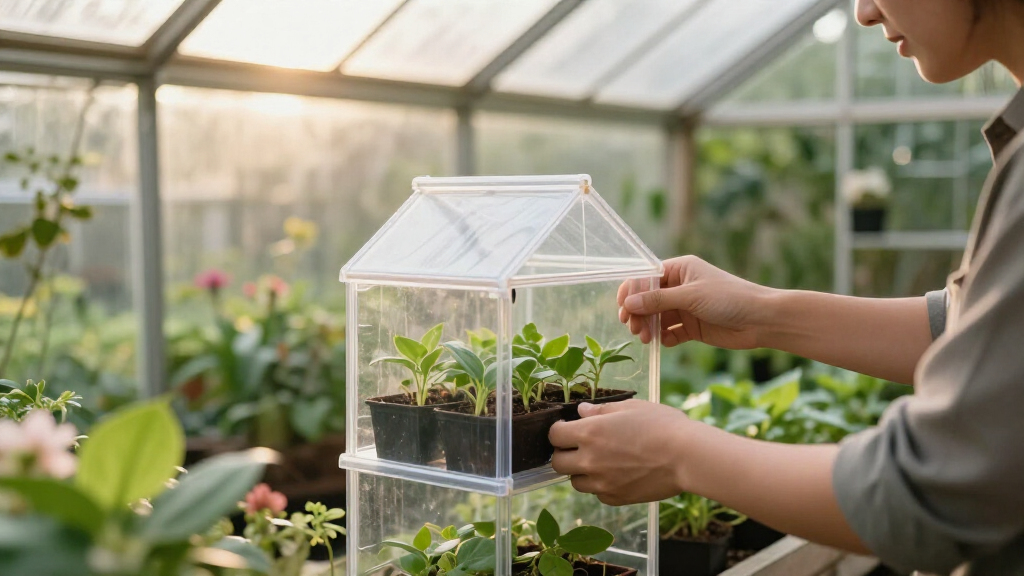
Garden greenhouse kits range from a $40 shelf unit with a plastic cover to a permanent polycarbonate structure, and the right choice depends on how much space you have and how long you want it to last. After comparing 11 of the most popular options, I named the IDEALHOUSE 8×10 FT Greenhouse the best overall pick for its balance of walk-in space, durable polycarbonate panels, and quick setup. The Greengro Walk-in Greenhouse is the standout value option, offering real walk-in room and shelving at a fraction of the price, while the Garvee 8x12ft Walk-in Greenhouse suits gardeners who want a lockable, heavy-duty structure built for the long haul. The core tradeoff in this category is cover material: inexpensive PE and PVC covers keep costs down but wear out in a few seasons, while twin-wall polycarbonate costs more upfront and holds up for years. Size is the second decision — compact tiered kits suit patios and seed starting, but serious growers will want walk-in headroom. Read on for the full breakdown of all 11 kits and who each one is really for.
Key Takeaways
- Polycarbonate panel kits like the IDEALHOUSE and Garvee outlast PE-covered models by years — on budget greenhouses, the cover is what fails first, not the frame.
- Walk-in headroom proved more useful than shelf count: the Greengro and SUNGIFT hold more plants than any 4-tier unit for similar money.
- Anchoring separated the wind survivors from the casualties — lightweight frames like the VEVOR hoop house need extra tie-downs in exposed yards.
- Raised bed combos (Miory and Quictent) solve two jobs at once and make the most sense for growers who only need season extension, not a full structure.
- Indoor kits with grow lights (both Bamworld models) serve seed starters and herb growers, but they can’t substitute for an outdoor kit past the seedling stage.
| Bamworld Mini Greenhouse with Grow Light Plant Stand, 3-Tier |  | Best for Seed Starting | Number of Tiers: 3 | Shelf Width: 23 inches | Shelf Height Spacing: 17 inches | VIEW LATEST PRICE | See Our Full Breakdown |
| Greengro Greenhouse, 28 x 57 x 76 in Portable Walk-in with Shelves |  | Best Value Walk-In | Dimensions: 28 x 57 x 76 inches | Shelves: 4 | Weight Capacity: 22 lbs per shelf | VIEW LATEST PRICE | See Our Full Breakdown |
| Garvee 8×12 ft Walk-in Greenhouse with Polycarbonate Panels and Aluminum Frame |  | Best Overall | Size: 8 x 12 ft | Frame Material: Aluminum | Panel Material: Polycarbonate | VIEW LATEST PRICE | See Our Full Breakdown |
| VEVOR Walk-in Tunnel Greenhouse, 9.6 x 6.4 x 6.2 ft Hoop House |  | Best for Season Extension | Dimensions: 9.6 x 6.4 x 6.2 ft | Frame Material: Galvanized steel | Cover Material: High-density PE | VIEW LATEST PRICE | See Our Full Breakdown |
| 4-Tier Portable Greenhouse with Locking Wheels and PVC Cover |  | Best Compact | Number of Tiers: 4 | Dimensions: 27.1 x 19.3 x 63.3 inches | Shelf Height Spacing: 14 inches | VIEW LATEST PRICE | See Our Full Breakdown |
| IDEALHOUSE 8×10 FT Walk-In Greenhouse |  | Best Overall | Size: 8×10 ft (approx. 80 sq ft) | Frame Material: Aluminum | Panels: Polycarbonate, 720g/m² | VIEW LATEST PRICE | See Our Full Breakdown |
| Bamworld Mini Greenhouse Indoor Desktop with Grow Lights |  | Best Indoor Pick | Material: Eucalyptus wood frame | Width: 22 inches | Shelf Height Spacing: 15 inches | VIEW LATEST PRICE | See Our Full Breakdown |
| Miory Raised Garden Bed with PE Cover |  | Best Raised-Bed Hybrid | Dimensions: 6 x 3 x 1 ft | Frame: Galvanized steel | Cover: PE greenhouse cover with support poles | VIEW LATEST PRICE | See Our Full Breakdown |
| SUNGIFT Walk-in Greenhouse, 57 x 61 x 80 in, 3 Tiers, 10 Shelves |  | Best Value Walk-In | Dimensions: 57 x 61 x 80 in | Shelves: 10 shelves across 3 tiers | Frame: Powder-coated steel | VIEW LATEST PRICE | See Our Full Breakdown |
| 6x4FT Greenhouse with Hygrometer, Aluminum Frame and Polycarbonate Panels | 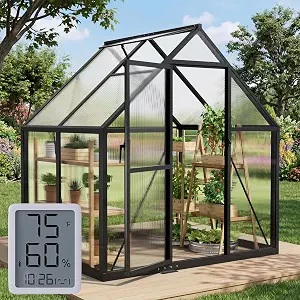 | Best Compact Year-Round | Size: 6 x 4 ft (24 sq ft) | Frame: Heavy-duty aluminum | Panels: 4mm polycarbonate, 580g, UV-protected | VIEW LATEST PRICE | See Our Full Breakdown |
| Quictent Raised Garden Bed with Cover – Outdoor Galvanized Metal Planter Box Kit with Greenhouse, 6x3x1 ft |  | Best Raised Bed Hybrid | Dimensions: 6 x 3 x 1 ft | Material: Galvanized metal | Soil Capacity: 18 cubic feet | VIEW LATEST PRICE | See Our Full Breakdown |
| garden greenhouse kit | Frame Material | Dimensions | Ventilation |
|---|---|---|---|
| Bamworld Mini Greenhouse with | Eucalyptus wood | — | — |
| Greengro Greenhouse | Metal | 28 x 57 x 76 inches | Screened windows |
| Garvee 8×12 ft Walk-in Greenho | Aluminum | — | Adjustable roof vent |
| VEVOR Walk-in Tunnel Greenhous | Galvanized steel | 9.6 x 6.4 x 6.2 ft | — |
| 4-Tier Portable Greenhouse wit | Tubular steel | 27.1 x 19.3 x 63.3 inches | — |
| IDEALHOUSE 8×10 FT Walk-In Gre | Aluminum | — | Adjustable roof vent |
| Bamworld Mini Greenhouse Indoo | — | — | — |
| Miory Raised Garden Bed with P | — | 6 x 3 x 1 ft | — |
| SUNGIFT Walk-in Greenhouse | — | 57 x 61 x 80 in | Roll-up door and side windows |
| 6x4FT Greenhouse with Hygromet | — | — | Adjustable roof vents |
| Quictent Raised Garden Bed wit | — | 6 x 3 x 1 ft | Adjustable screen windows |
More Details on Our Top Picks
Bamworld Mini Greenhouse with Grow Light Plant Stand, 3-Tier
The Bamworld 3-tier mini greenhouse stands out for the one thing none of the larger picks here offer: a built-in grow light with timer and brightness control. That matters if your seedlings start indoors in late winter, because light — not warmth — is usually what limits young plants on a windowsill. Compared with the 4-Tier Portable Greenhouse with Locking Wheels, which covers a similar footprint, the Bamworld’s rot-resistant eucalyptus frame looks better in a living room and holds 45 lbs per shelf, nearly double that rival’s capacity. The tradeoff is scale: 17 inches between shelves rules out anything taller than herbs and succulents, and the PE cover suits a sheltered patio rather than the year-round weather the Garvee is built for. I’d treat this as a dedicated seed-starting station, not a season extender.
Pros:- Built-in grow light with timer and brightness control for reliable indoor germination
- Rot-resistant eucalyptus frame is sturdier and better-looking than typical tubular steel
- 45 lbs per shelf — nearly twice the capacity of comparable rack-style greenhouses
- Light enough to move between indoor and outdoor spots as seasons change
Cons:- Only suits small to medium plants; no headroom for anything tall
- PE cover’s outdoor weather resistance isn’t well documented, so winter exposure is a gamble
- Limited space means you’ll outgrow it once seedlings become full plants
Best for: Apartment and patio gardeners who start seeds, herbs, or succulents indoors before transplanting outside
Not ideal for: Growers wanting to overwinter large pots or raise tall vegetables — the 17-inch shelf spacing caps plant height for good
- Number of Tiers:3
- Shelf Width:23 inches
- Shelf Height Spacing:17 inches
- Maximum Shelf Load:45 lbs
- Frame Material:Eucalyptus wood
- Cover:PE cover
- Lighting:Grow light with timer and brightness control
- Placement:Indoor or outdoor, portable
Our verdict“If your goal is strong seedlings rather than square footage, this is the shelf greenhouse to buy.”
Greengro Greenhouse, 28 x 57 x 76 in Portable Walk-in with Shelves
The Greengro walk-in greenhouse earns its place as the value pick because it delivers a genuine walk-in layout — four shelves, screened windows, a 76-inch peak — at a footprint and commitment level well below the Garvee 8×12 ft. Its tool-free assembly and light metal frame mean one person can have it up in an afternoon and relocate it when the season shifts, something the heavy VEVOR tunnel can’t match. The compromise is durability headroom: the PE cover is rated for winds up to 45 mph, but in exposed yards you’ll want extra anchoring, and each shelf holds just 22 lbs, so heavy terracotta pots are out. Against the SUNGIFT walk-in, the Greengro’s screened windows give it a ventilation edge in humid weather. Buy it for affordable weather protection, not permanence.
Pros:- Tool-free assembly gets you growing the same afternoon
- Screened windows allow ventilation without inviting pests in
- PE cover rated to resist wind up to 45 mph
- Light enough to relocate as sun angles change through the year
Cons:- 22 lbs per shelf rules out large or heavy pots
- Needs supplemental anchoring in genuinely windy locations
- 76-inch peak and 28-inch depth limit tall plants and working room
Best for: Budget-conscious gardeners who want a real walk-in space for herbs, seedlings, and potted vegetables without committing to a permanent structure
Not ideal for: Exposed, windy sites and anyone growing tall or heavy plants — shelves max out at 22 lbs and the frame needs added anchors in gusts
- Dimensions:28 x 57 x 76 inches
- Shelves:4
- Weight Capacity:22 lbs per shelf
- Cover Material:PE
- Frame Material:Metal
- Wind Resistance:Up to 45 mph
- Ventilation:Screened windows
- Assembly:Tool-free
Our verdict“The Greengro is the walk-in to pick when you want real space and ventilation at the lowest level of cost and commitment.”
Garvee 8×12 ft Walk-in Greenhouse with Polycarbonate Panels and Aluminum Frame
For buyers who want a greenhouse rather than a cover over shelves, the Garvee 8×12 ft walk-in is the strongest all-around choice in this roundup. Its polycarbonate panels and aluminum frame belong to a different class from the PE-covered Greengro and VEVOR: panels don’t tear, they filter UV, and the structure carries a 110 lbs-per-square-foot snow load, so it stays up through winter instead of coming down in October. A roof vent, rain gutter, and lockable door round out a genuinely year-round package. The honest costs are space and effort — you need a level 8×12 ft patch of yard, a free weekend for assembly, and ideally a second set of hands for the panels. Compared with the IDEALHOUSE 8×10, I’d side with the Garvee in cold regions because its published snow rating removes the guesswork.
Pros:- Polycarbonate panels filter UV and won’t rip like film covers
- 110 lbs/sq ft snow load rating supports true winter use
- Lockable swing door, rain gutter, and ground anchors included
- Rust-resistant aluminum frame with pre-labeled, tool-free parts
Cons:- Multi-hour assembly, and the heavy panels are awkward for one person
- Demands a large, level site that smaller gardens can’t spare
- Highest upfront cost and commitment of any pick here
Best for: Committed gardeners with yard space who want one permanent structure for four-season growing, including winter
Not ideal for: Renters, small yards, or anyone who can’t dedicate and anchor a permanent 8×12 ft footprint — this is a structure, not a seasonal pop-up
- Size:8 x 12 ft
- Frame Material:Aluminum
- Panel Material:Polycarbonate
- Panel Weight:21 oz/yd²
- Snow Load Capacity:110 lbs/sq ft
- Door:Lockable, outward-opening swing door
- Ventilation:Adjustable roof vent
- Extras:Rain gutter and ground anchors
Our verdict“For year-round growing in a permanent structure, the Garvee justifies its footprint and price better than anything else here.”
VEVOR Walk-in Tunnel Greenhouse, 9.6 x 6.4 x 6.2 ft Hoop House
The VEVOR walk-in tunnel covers more ground per dollar than anything else in this lineup, which is why it takes the hoop-house slot. At 9.6 x 6.4 ft with a galvanized steel frame and six roll-up windows, it behaves like a scaled-down farm tunnel: you plant directly in the soil inside it, warm that soil weeks earlier in spring, and keep crops producing past first frost. Against the Garvee, you give up rigid polycarbonate panels and a lockable door — the 140g/m² PE cover will slowly degrade under UV and want replacing every few seasons. Against raised-bed covers like the Miory or Quictent, the VEVOR’s 6.2 ft height lets you walk in and trellis tomatoes at full size. Plan on anchoring it thoroughly and recruiting a helper for the frame, because the steel tubing that makes it stable also makes it heavy.
Pros:- Galvanized steel frame handles weather better than budget tubular frames
- Six roll-up windows give fine control over airflow and humidity
- Walk-in 6.2 ft height works for trellised tomatoes and tall crops
- Thick 140g/m² cover with reinforced seams resists tearing
Cons:- PE cover has a finite lifespan and will need replacement after a few seasons
- Heavy frame makes assembly a two-person job and relocation impractical
- Utilitarian appearance and no lockable door for security
Best for: Gardeners with in-ground rows or market-garden ambitions who want to stretch spring and fall growing on a tight budget
Not ideal for: Anyone wanting a tidy permanent structure — the PE cover ages in the sun and the tunnel look suits vegetable plots, not patios
- Dimensions:9.6 x 6.4 x 6.2 ft
- Frame Material:Galvanized steel
- Cover Material:High-density PE
- Cover Weight:140g/m²
- Windows:6 roll-up ventilation windows
- Door:Roll-up zipper door
- Intended Use:Home, farm, or commercial growing
Our verdict“Choose the VEVOR when covered ground matters more than polish — it’s the practical season extender for in-ground beds.”
4-Tier Portable Greenhouse with Locking Wheels and PVC Cover
The 4-Tier Portable Greenhouse is the smallest true greenhouse here, and that’s the point. Its locking wheels let you chase the sun across a balcony or roll seedlings indoors ahead of a late frost — a trick the walk-in Greengro and the VEVOR tunnel simply can’t do. Four shelves inside a 27 x 19-inch footprint hold a surprising number of starter trays, and assembly needs no tools at all. Where it loses ground to the Bamworld 3-tier is refinement: there’s no grow light, the PVC cover scuffs and clouds faster than the Bamworld’s PE, and each shelf tops out at 24 lbs versus Bamworld’s 45. I’d treat the PVC cover as a replaceable part; with that expectation set, this becomes a low-cost, low-commitment way to harden off plants and shield herbs from frost in spaces where nothing bigger fits.
Pros:- Locking wheels make it the only genuinely mobile pick in the lineup
- Tool-free assembly suits renters and first-time growers
- Four shelves pack real capacity into a 27 x 19-inch footprint
- Works indoors or out for frost and pest protection
Cons:- 24 lbs per shelf restricts you to lightweight pots and trays
- PVC cover clouds and degrades faster than PE or polycarbonate
- No grow light, unlike the similarly sized Bamworld
Best for: Balcony and small-patio growers who need a movable frost shield for starter trays and potted herbs
Not ideal for: Anyone growing large plants or wanting a set-and-forget outdoor structure — shelves hold 24 lbs and the PVC cover wears down with sun exposure
- Number of Tiers:4
- Dimensions:27.1 x 19.3 x 63.3 inches
- Shelf Height Spacing:14 inches
- Weight Capacity:24 lbs per shelf
- Frame Material:Tubular steel
- Cover Material:PVC with roll-up door
- Mobility:Locking wheels
- Color:Green with clear cover
Our verdict“Buy this if you need a cheap, roll-anywhere frost shelter for small plants, and skip it if you need headroom or permanence.”
IDEALHOUSE 8×10 FT Walk-In Greenhouse
Among the kits in this roundup, the IDEALHOUSE 8×10 FT is the one I’d point most serious home gardeners toward. The 80 square feet of walk-in space puts it closer to the Garvee 8x12ft than to compact options like the 6x4FT aluminum model, and the 720g/m² polycarbonate panels with a rigid aluminum frame give it a sturdier feel than PE-covered walk-ins like the SUNGIFT. What separates it for me is the side gutter system — rain runs off in a controlled way instead of pooling at the base, which matters over years of use. The tradeoff is commitment: this is a semi-permanent structure that wants a level, anchored site, and it ships in two boxes that may arrive on different days. Assembly also draws complaints, so budget a weekend and a helper rather than an afternoon.
Pros:- 720g/m² polycarbonate panels outlast PE covers by years
- Side gutter system controls runoff and protects the base
- True 80 sq ft of walk-in working space
- Aluminum frame won’t rust like powder-coated steel
Cons:- Ships in two boxes that can arrive days apart, stalling the build
- Assembly draws consistent complaints — plan a full weekend with two people
- Sparse documentation on accessories and replacement parts
Best for: Committed home gardeners with a level yard who want a semi-permanent walk-in structure for multi-season growing
Not ideal for: Renters or anyone who can’t anchor a permanent structure — and solo builders, since the two-box delivery and reported assembly snags make this a two-person weekend project
- Size:8×10 ft (approx. 80 sq ft)
- Frame Material:Aluminum
- Panels:Polycarbonate, 720g/m²
- Ventilation:Adjustable roof vent
- Water Management:Side gutter system
- Assembly:Instructions and tools included
- Shipping:Arrives in two separate boxes
Our verdict“If you have the space, the helper, and the patience for a weekend build, this is the most complete walk-in kit in the roundup.”
Bamworld Mini Greenhouse Indoor Desktop with Grow Lights
The Bamworld Mini Greenhouse Indoor Desktop plays a different game from everything else here, and I’d treat it as the answer to a specific problem: starting seeds and keeping herbs alive when outdoor space or the season won’t cooperate. Unlike the walk-in SUNGIFT or the IDEALHOUSE, this sits on a counter, and its built-in grow lights with 3/6/12-hour timers and nine brightness levels give seedlings consistent light without a sunny windowsill — the feature that justifies the price over the cheaper Bamworld 3-Tier portable model. The eucalyptus wood frame also looks better in a kitchen than steel-and-plastic shelving. The limits are real: at 22 inches wide with 15 inches of height spacing, anything taller than young plants won’t fit, and the wood-and-cover build is indoor-only despite the weather-resistant claims. Buy it for propagation, not for growing tomatoes to harvest.
Pros:- Grow lights with timer and 9 brightness levels remove dependence on window light
- Eucalyptus frame looks at home in a kitchen or office
- 38 lb shelf capacity handles heavy seed trays and ceramic pots
- Roll-up zipper door and side vents make humidity control easy
Cons:- 15 inches of height spacing caps plants at seedling and herb size
- Wood construction is indoor-only in practice, despite weather-resistant marketing
Best for: Apartment dwellers and seed starters who need a countertop propagation station with built-in lighting for herbs and seedlings
Not ideal for: Anyone growing plants taller than about a foot, or gardeners who want outdoor season extension — the 15-inch shelf spacing and indoor-only build rule both out
- Material:Eucalyptus wood frame
- Width:22 inches
- Shelf Height Spacing:15 inches
- Weight Capacity:38 lbs per shelf
- Grow Lights:Adjustable, 9 brightness levels
- Timer:3/6/12-hour auto settings
- Access & Venting:Roll-up zipper door, side vents
- Placement:Indoor / desktop
Our verdict“Buy this for indoor seed starting and herbs under real grow lights; skip it the moment your ambitions outgrow a countertop.”
Miory Raised Garden Bed with PE Cover
The Miory Raised Garden Bed with PE Cover earns its spot by solving two problems at once: it’s a galvanized steel planter and a season-extending mini greenhouse in a single footprint. Compared with the near-identical Quictent raised bed kit, the deciding factors for me are the two large zippered screen windows, which let pollinators in and heat out without fully removing the cover. Against walk-in options like the SUNGIFT, you give up vertical growing room entirely — tall plants won’t fit under a 1-foot-tall bed with a low cover. What you get back is simplicity: no anchoring a tall structure, and the galvanized frame resists rust where powder-coated steel eventually chips. The included gloves and labels are small touches, but they make this genuinely beginner-ready. In wind, though, the PE cover needs extra securing, and assembly involves more screws than the box suggests.
Pros:- Works as a raised bed, a mini greenhouse, or both — three setups in one kit
- Galvanized steel resists rust and bending season after season
- Zippered screen windows allow pollination and venting without removing the cover
- Ships with gloves and plant labels, so it’s usable on day one
Cons:- One-foot bed height and low cover rule out tall crops entirely
- PE cover needs extra anchoring in exposed, windy spots
- Assembly takes more effort than the compact size implies
Best for: Beginners and small-yard gardeners who want to start vegetables early in spring without committing to a full walk-in structure
Not ideal for: Growers of tall crops like tomatoes or corn — the low cover caps plant height, and windy sites will need extra tie-downs for the PE cover
- Dimensions:6 x 3 x 1 ft
- Frame:Galvanized steel
- Cover:PE greenhouse cover with support poles
- Windows:2 large zippered screen windows
- Configurations:Bed only, greenhouse only, or combined
- Included Accessories:Plant labels and gloves
- Best Crops:Vegetables, herbs, and flowers
Our verdict“The smartest first greenhouse for a beginner with a small yard — part planter, part season extender, with nothing permanent to regret.”
SUNGIFT Walk-in Greenhouse, 57 x 61 x 80 in, 3 Tiers, 10 Shelves
If floor space and shelf count are the priority per dollar, the SUNGIFT Walk-in Greenhouse is the budget play I’d make. Ten shelves across three tiers inside a 57 x 61 x 80-inch frame beats the Greengro’s shelving layout for seedling capacity, and the no-tool assembly means it goes up in under an hour — a sharp contrast with the screw-heavy IDEALHOUSE build. Some honesty here: the PE cover and powder-coated steel tubes amount to seasonal protection, not a permanent structure. It won’t survive a heavy snow load or a storm unanchored, and unlike the polycarbonate 6x4FT kit, the cover will degrade under UV after a couple of seasons and need replacing. Staked down in a sheltered spot, though, it delivers more growing capacity per dollar than anything else in this roundup. Plan to replace the cover eventually, not the frame.
Pros:- Ten shelves across three tiers hold dozens of seed trays
- Genuinely tool-free assembly — up in under an hour
- Roll-up door plus side windows give real airflow control
- Light enough to move and reposition as seasons change
Cons:- Seasonal shelter only — not rated for snow, storms, or year-round use
- PE cover breaks down under UV within a couple of seasons and needs replacing
- Must be staked or weighted to stay standing in wind
Best for: Budget-conscious seed starters who want maximum shelf space for trays and pots through spring and fall, and can stake it down in a sheltered spot
Not ideal for: Anyone needing year-round or harsh-weather protection — the PE cover degrades under UV and the frame isn’t rated for snow or storms
- Dimensions:57 x 61 x 80 in
- Shelves:10 shelves across 3 tiers
- Frame:Powder-coated steel
- Cover:PE
- Ventilation:Roll-up door and side windows
- Assembly:No tools required
- Intended Use:Seasonal and portable
Our verdict“The most shelf space per dollar here, as long as you treat it as a seasonal tool and anchor it properly.”
6x4FT Greenhouse with Hygrometer, Aluminum Frame and Polycarbonate Panels
The 6x4FT polycarbonate greenhouse is the pick I’d make when someone wants a real, four-season structure but only has a patio-sized footprint. Its 4mm impact-resistant panels and heavy-duty aluminum frame sit in the same durability class as the larger IDEALHOUSE 8×10, just shrunk — you’re getting permanent-kit materials at 24 square feet instead of 80. The lockable door is a small detail that pays off in shared yards and windy corridors, and the bundled hygrometer takes the guesswork out of venting, something neither the SUNGIFT nor the Miory offers. The compromises scale with the size: there’s no room to walk in and work, shelving must be added separately, and some owners report the panels benefit from extra sealant to stop rattling. It’s the right call for a gardener with ten pots, not a market garden.
Pros:- 4mm UV-protected polycarbonate panels are a class above PE covers
- Heavy-duty aluminum frame holds up to all-season exposure
- Lockable door adds security and keeps panels from blowing open
- Included hygrometer removes guesswork from venting
Cons:- 24 sq ft with no shelving included limits capacity without add-ons
- Panels can rattle unless extra sealant is applied during assembly
- Too small to walk in and work among plants
Best for: Gardeners with a patio or small backyard who want a durable all-season polycarbonate structure for a modest collection of plants
Not ideal for: Anyone who wants to walk in and work among their plants or grow at scale — 24 square feet with no included shelving fills up fast
- Size:6 x 4 ft (24 sq ft)
- Frame:Heavy-duty aluminum
- Panels:4mm polycarbonate, 580g, UV-protected
- Ventilation:Adjustable roof vents
- Door:Lockable
- Extras:Hygrometer included
- Season Rating:All-season / year-round
Our verdict“Permanent-kit quality in a patio footprint — the right choice when durability matters more than square footage.”
Quictent Raised Garden Bed with Cover – Outdoor Galvanized Metal Planter Box Kit with Greenhouse, 6x3x1 ft
Most kits in this roundup ask you to sacrifice yard space for a freestanding structure; the Quictent Raised Garden Bed with Cover folds the greenhouse into the planter itself. Its 3-in-1 design — galvanized bed, removable mini greenhouse, and screened windows — protects seedlings from spring frost, then the cover comes off for open summer growing in the same 6×3 footprint. Compared with the nearly identical Miory Raised Garden Bed, the Quictent counters with five-year greenhouse support, though Miory includes extras like labels and gloves. Against walk-ins like the Garvee 8x12ft, this holds far fewer plants but demands a fraction of the assembly effort and square footage. The tradeoffs are real: 18 cubic feet of soil is a notable upfront cost, the cover is only backed for one year, and the shallow 1-foot depth rules out deep-rooted crops.
Pros:- Galvanized metal bed resists rust and won’t warp or rot like wooden planters
- Removable greenhouse cover extends the growing season into early spring and late fall
- Adjustable screen windows vent heat without removing the whole cover
- Five-year greenhouse support outlasts most cover warranties in this lineup
Cons:- Only 1 ft deep, so carrots, parsnips, and other deep-rooted crops struggle
- Greenhouse cover itself is supported for just one year
- Filling 18 cubic feet with quality soil adds a real upfront cost beyond the kit price
Best for: Gardeners with small yards or patios who want raised-bed growing plus season extension in one compact footprint
Not ideal for: Growers planning tall or deep-rooted crops — the 1-foot bed depth and low cover cap what fits, so a walk-in like the SUNGIFT 3-tier suits them better
- Dimensions:6 x 3 x 1 ft
- Material:Galvanized metal
- Soil Capacity:18 cubic feet
- Configuration:3-in-1: raised bed, greenhouse cover, screen windows
- Ventilation:Adjustable screen windows
- Greenhouse Support:5 years
- Cover Support:1 year
Our verdict“If you want a compact raised bed that doubles as a season-extending greenhouse and can live without walk-in capacity, this is the most practical hybrid in the roundup.”

How We Picked
I evaluated all 11 kits on the factors that decide whether a greenhouse gets used for years or abandoned after one season: build quality (frame material and gauge), cover durability, weather resistance (anchoring options, roof shape, venting), usable growing space, assembly effort, and price. Ventilation and anchoring carried extra weight because they’re the two failure points that actually kill plants and structures, not minor conveniences.
The ranking favors long-term value over sticker price, which is why hard-sided polycarbonate kits sit at the top: they cost more on day one and less per season over a decade. Budget PE-covered models still rank where they genuinely serve a buyer — a first-timer shouldn’t pay for a permanent structure — so each pick is ordered by how well it fills a distinct role, from walk-in workhorse to desktop seed starter. Kits lost points for thin frames, vague anchoring hardware, or covers with no realistic replacement path.
| garden greenhouse kit | Frame Material | Ventilation |
|---|---|---|
| Bamworld Mini Greenhouse with | Eucalyptus wood | — |
| Greengro Greenhouse | Metal | Screened windows |
| Garvee 8×12 ft Walk-in Greenho | Aluminum | Adjustable roof vent |
| VEVOR Walk-in Tunnel Greenhous | Galvanized steel | — |
| 4-Tier Portable Greenhouse wit | Tubular steel | — |
| IDEALHOUSE 8×10 FT Walk-In Gre | Aluminum | Adjustable roof vent |
| Bamworld Mini Greenhouse Indoo | — | — |
| Miory Raised Garden Bed with P | — | — |
| SUNGIFT Walk-in Greenhouse | — | Roll-up door and side windows |
| 6x4FT Greenhouse with Hygromet | — | Adjustable roof vents |
| Quictent Raised Garden Bed wit | — | Adjustable screen windows |
Factors to Consider When Choosing Garden Greenhouse Kits
The reviews above cover what each kit does well; this section covers how to think about the purchase itself. These are the decisions that separate a greenhouse you’ll use for a decade from one that ends up folded in the garage — and the mistakes I see buyers make most often.
Cover Material Decides How Long Your Greenhouse Lasts
The single biggest decision in this category is what wraps the frame. PE and PVC covers keep kits cheap and light, but UV exposure breaks them down — expect two to four seasons before you’re shopping for a replacement. Twin-wall polycarbonate panels cost more upfront, yet they diffuse light more evenly, insulate better, and routinely last a decade. That insulation gap matters in spring and fall, when a polycarbonate kit can hold overnight temperatures several degrees higher than a single-layer plastic cover. The honest math: if you plan to grow for more than a couple of years, a hard-sided kit is usually cheaper per season than replacing covers. Budget covers still make sense for renters, first-timers testing the hobby, and anyone extending a season rather than growing year-round.
Size and Headroom: Buy for the Gardener, Not Just the Plants
The most common mistake I see is buying for the plants you have today instead of the garden you’ll want next year. Walk-in headroom changes how you use the space: you can water, prune, and pot up inside instead of reaching through a door, which means the greenhouse actually gets used daily. Tiered shelf units look efficient on paper, but their shallow shelves mostly fit seed trays and small pots — tall tomatoes and peppers outgrow them fast. Before choosing, measure your site with the door swing and a walking path included, and check door width if you move a wheelbarrow or bags of soil in and out. As a rule, buy one size up from what feels adequate; almost no gardener complains about extra space.
Frames and Anchoring Matter More Than the Cover in Wind
Wind, not cold, destroys most kit greenhouses. Galvanized steel frames resist rust and flex less under load, while aluminum frames are lighter, never rust, and make assembly far easier for one person. What matters more than the material is how the frame meets the ground: a kit staked into soil with the included pegs will survive a breezy yard, but exposed sites call for ground anchors, concrete footings, or a timber base. Weight helps too — heavier polycarbonate kits ride out gusts that fold lightweight tunnels. If you get snow, look at roof shape: peaked roofs shed loads, while flat or rounded tunnel tops need brushing off after every storm. Spending an extra hour on anchoring is the cheapest insurance in this entire category.
Ventilation Is Not Optional
A greenhouse overheats far faster than it freezes, and an hour of midday sun can push a sealed kit past 100°F even in April. Roof vents release the hottest air where it collects, which is why every hard-sided pick in this roundup includes at least one. Screen windows and roll-up doors handle crossflow on soft-sided models and double as pest barriers when you want airflow without inviting insects. For unattended growing, automatic vent openers — wax-cylinder arms that cost under $25 — open and close with temperature and are the single best accessory you can add. A basic thermometer or hygrometer inside tells you what’s actually happening; guessing wrong cooks seedlings. Skip any kit with no ventilation plan at all, no matter how good the price looks.
Match the Kit Format to How You Actually Grow
Different kit formats solve different problems, and matching them wrong wastes money. Hoop houses and tunnels give the most covered square footage per dollar, which suits in-ground rows and market-style growing, but they trade away headroom at the edges and long-term durability. Raised bed and cover combos handle season extension — earlier starts, later harvests, pest protection — without the cost or footprint of a full structure. Indoor grow-light stands belong to seed starters and countertop herb growers; they raise strong seedlings but can’t finish warm-season crops. A full walk-in greenhouse earns its price only when you’ll actually work inside it regularly. Be honest about which gardener you are: paying for capacity you won’t use is as wasteful as buying a kit you’ll outgrow in one season.
Frequently Asked Questions
How long does a garden greenhouse kit actually last?
It depends almost entirely on the cover. PE and PVC covers typically last two to four seasons before UV exposure makes them brittle and cloudy, though replacement covers usually cost $20 to $50, so the frame carries on. Galvanized steel and aluminum frames routinely last a decade or more with basic care. Twin-wall polycarbonate panels push lifespan past 10 years and often carry long warranties against yellowing. The practical takeaway: budget kits aren’t disposable, but you should price in a new cover every few years when comparing them against hard-sided models.
Do I need a permit or foundation for a greenhouse kit?
Most small kit greenhouses count as temporary structures and don’t require a permit, but rules vary by municipality, and anything over about 100 to 120 square feet is worth a phone call to your local office before you buy. A full poured foundation is rarely needed — what’s needed is a level, stable base. Compacted gravel, paver stones, or a simple pressure-treated timber frame all work and give you something solid to anchor into. Anchoring matters more than the base material itself, since wind uplift is the main failure mode. Skip the leveling step and you’ll fight a racked frame and a door that never closes right.
Can a greenhouse kit stay up all winter?
Hard-sided polycarbonate kits generally can, provided they’re anchored well and you brush heavy snow off the roof before it loads up. Soft-sided PE tunnels are the risky case: their rounded tops collect snow, and a heavy wet dump can collapse a lightweight frame overnight. Wind is the bigger winter threat for every style, so check and re-tighten anchors before storm season. Many owners of budget kits remove and store the cover for winter, leaving the bare frame up — a 20-minute job that adds years to the plastic. If you want four-season growing in a cold climate, a polycarbonate kit with a peaked roof is the safer investment.
Is a walk-in greenhouse worth it over a compact tiered kit?
It comes down to what you’re growing and whether you want to work inside the space. Walk-in kits hold dramatically more plants — floor space for large pots plus shelves for trays — and they let you water and prune sheltered from wind, which is why daily use goes up. Tiered kits make sense for seed starting, patios, balconies, and renters, and models with locking wheels can chase sun or come indoors ahead of storms. The price gap is smaller than most people expect: decent walk-ins start around the cost of two or three shelf units. If you have the ground space and grow more than a dozen plants, walk-in is usually the better long-term buy. If you’re mostly raising seedlings in spring, save the money.
Should I choose a raised bed with a cover or a standalone greenhouse?
A covered raised bed solves a narrower problem — warming soil earlier, protecting crops from pests and frost — and it does that job for a fraction of a full greenhouse’s cost and assembly time. It’s the right answer for gardeners who want season extension on a few beds rather than a place to grow. A standalone greenhouse gives you far more volume, vertical growing room, and a sheltered workspace, but asks for more money, more site prep, and more ventilation management. Many gardeners end up owning both: the raised bed combo for in-season crops and a walk-in for seedlings and tender plants. If you’re new to protected growing, starting with a covered bed is a low-risk way to learn before committing to a structure.
Conclusion
After weighing all 11 kits, the decision comes down to your space, budget, and how long you want the structure to last. For most gardeners, the IDEALHOUSE 8×10 FT Greenhouse is the best overall choice — walk-in room, polycarbonate durability, and fast assembly at a fair price. If money is the main constraint, the Greengro Walk-in Greenhouse delivers real growing space and shelving at a budget price, making it my best value pick. Buyers ready to invest in a permanent structure should choose the Garvee 8x12ft Walk-in Greenhouse, the premium option with a lockable door and heavy-duty frame. Beginners will feel at home with the SUNGIFT Walk-in Greenhouse, whose ten shelves make organization simple from day one. For specific needs: the VEVOR tunnel covers large gardens on a tight budget, the 6x4FT polycarbonate kit fits small backyards, the Miory and Quictent covered raised beds suit season extenders, the wheeled 4-tier kit serves renters and patios, and the two Bamworld models handle indoor seed starting. Pick the role that matches your garden, and you’ll buy once.