
Hydroponic garden systems appeal to indoor growers because they maximize space efficiency and allow for year-round plant growth. These systems provide precise control over nutrients, light, and humidity, resulting in healthier plants and higher yields. They also minimize pests and soil issues, making maintenance easier. Automation features reduce daily effort, perfect for beginners. If you keep exploring, you’ll discover how these systems can transform your indoor gardening experience for better results.
Key Takeaways
- They enable precise control of nutrients, light, and humidity for optimal plant growth indoors.
- Their compact design fits small indoor spaces like apartments or basements.
- Automated features reduce daily maintenance, making them beginner-friendly.
- They promote faster, healthier plant development with improved oxygen exposure and nutrient absorption.
- They minimize pests and soil-borne diseases, ensuring cleaner, safer indoor gardening.
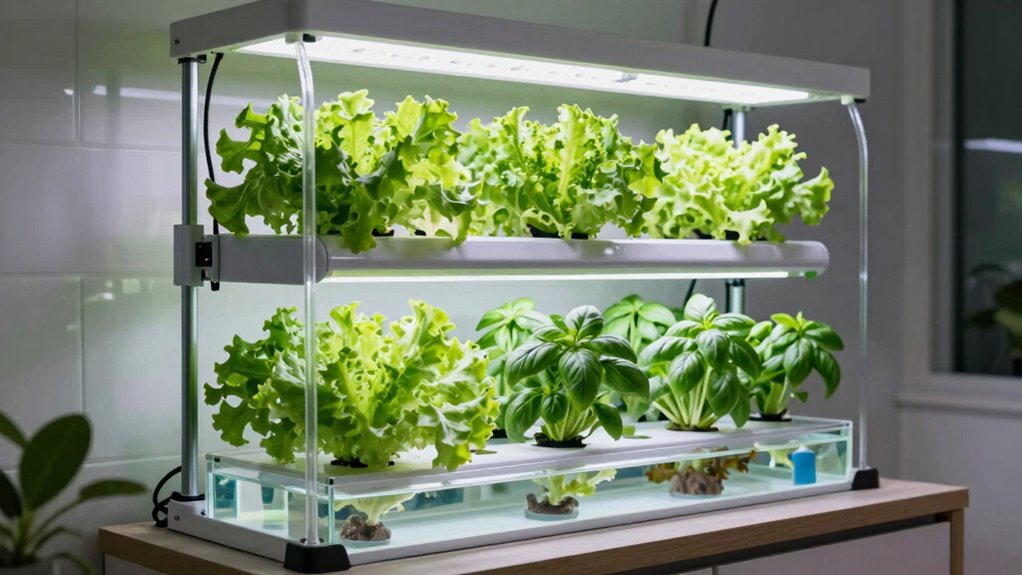
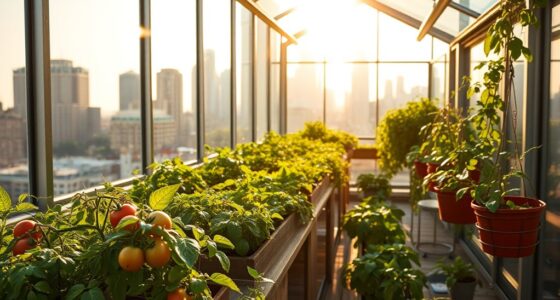
Indoor gardening has become increasingly popular, and hydroponic systems offer an efficient way to grow plants without soil. If you’re looking to maximize your indoor space and achieve faster plant growth, hydroponics might be just what you need. One of the key reasons indoor growers are drawn to these systems is their ability to deliver precise control over the environment. Unlike traditional gardening, where soil quality and external factors can hinder plant development, hydroponics allows you to regulate nutrient solutions, light, and humidity with ease. This control results in healthier plants and better yields, even in limited spaces.
Hydroponic systems enable precise environmental control for healthier, faster-growing indoor plants in limited spaces.
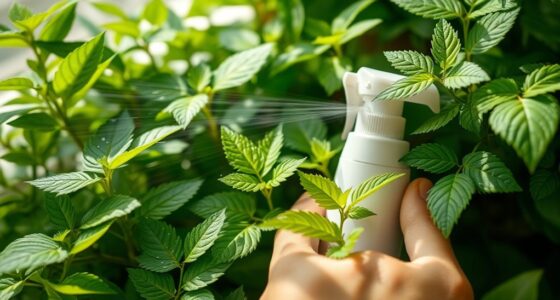
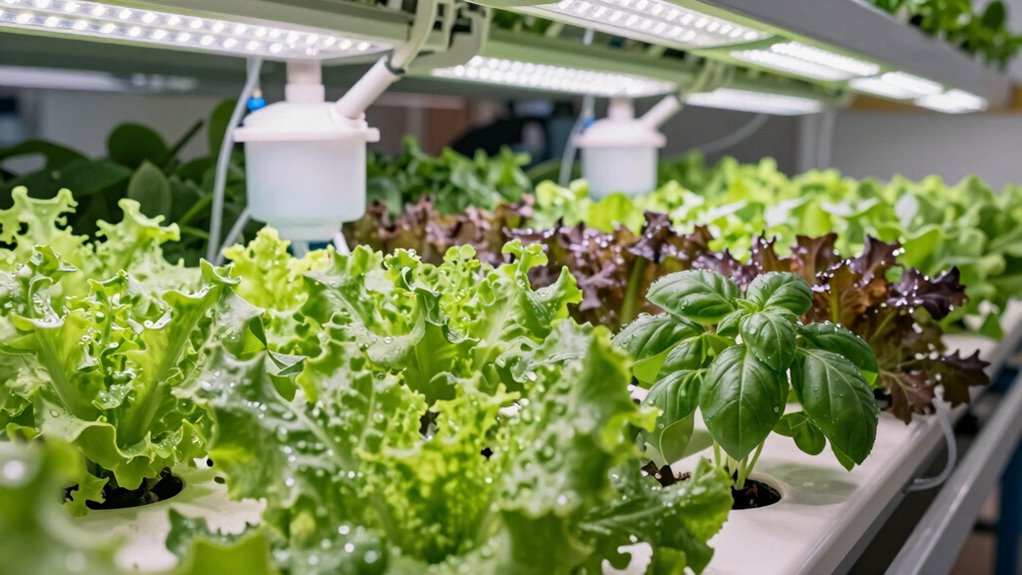
When it comes to aeroponics, the advantages are notable. This method suspends roots in the air and misting nutrient solutions directly onto them, which greatly enhances oxygen exposure. The increased oxygen levels stimulate root growth and improve nutrient absorption, leading to faster and more vigorous plant development. For indoor growers, aeroponics offers a highly efficient system that reduces the risk of pests and diseases often associated with soil. Plus, because roots are exposed to air rather than sitting in water or soil, plants tend to grow more rapidly, making it an attractive choice for those who want quick results.
Nutrient solutions play an essential role in hydroponic gardening. They are carefully formulated mixes of vital nutrients like nitrogen, phosphorus, and potassium, along with trace minerals, that plants normally obtain from soil. In hydroponic systems, you control these solutions directly, which means you can tailor them to meet the specific needs of each plant type. This level of customization helps optimize growth and minimizes waste, making your gardening efforts more efficient and cost-effective. Regularly monitoring and adjusting your nutrient solutions ensures your plants receive exactly what they need at every stage of growth. Incorporating precision in nutrient management can further enhance your yields and plant health. Additionally, understanding how to maintain the balance of nutrients is crucial for preventing deficiencies and toxicities.
Another appealing factor for indoor growers is the compact and scalable nature of hydroponic systems. They can fit into small spaces, such as apartments or basements, and are easily expanded as your gardening skills grow. Many systems also incorporate automated features, like timers and sensors, reducing the amount of daily maintenance required. This convenience makes indoor hydroponics accessible even for beginners. Additionally, understanding the contrast ratio of your system can help you optimize lighting conditions for better plant development. Being aware of light spectrum and intensity can significantly influence how well your plants grow under specific conditions.
hydroponic garden system for indoor plants
As an affiliate, we earn on qualifying purchases.
As an affiliate, we earn on qualifying purchases.
Frequently Asked Questions
What Is the Initial Setup Cost for a Hydroponic Garden?
The initial setup for a hydroponic garden costs between $100 and $500, depending on size and system type. Unlike soil comparison, hydroponic setups don’t need soil, but you’ll invest in containers, pumps, and lighting. You also need nutrient solutions, which are essential for plant growth. While the upfront cost may seem higher, you save money over time since you use less water and nutrients compared to traditional soil gardening.
How Much Maintenance Do Hydroponic Systems Require Weekly?
You’ll spend about 1-2 hours weekly maintaining your hydroponic system. You’ll check plant nutrition levels, ensuring nutrients are balanced for ideal growth, and monitor water pH. Regularly clean components to maintain system durability and prevent diseases. You might also top off water and nutrients as needed. Consistent care keeps your system running smoothly, promoting healthy plants and maximizing your indoor gardening success.
Can Hydroponic Systems Be Used Outdoors?
Yes, you can use hydroponic systems outdoors, but outdoor adaptation depends on climate considerations. You need to protect your system from extreme weather, pests, and sunlight fluctuations. Ensuring proper insulation, shading, and pest control helps your plants thrive. By adjusting for outdoor conditions and monitoring weather patterns, you can successfully grow a variety of plants, enjoying the benefits of hydroponics beyond indoor spaces.
What Are the Common Pests or Diseases in Hydroponic Gardens?
In hydroponic gardens, you often face pests like aphids, whiteflies, and spider mites, along with diseases such as root rot and powdery mildew. To manage pests, practice regular pest management, including removing infested plants and using biological controls. For disease prevention, maintain proper nutrient levels, guarantee good airflow, and keep your system clean. These steps help keep your hydroponic garden healthy and productive.
How Long Do Hydroponic Plants Typically Take to Harvest?
Hydroponic plants usually take between 4 to 8 weeks to harvest, depending on the plant type. To achieve ideal growth rate, you must maintain proper plant nutrient balance and monitor nutrient levels regularly. Consistent adjustments help prevent deficiencies and promote healthy development. By maximizing growth conditions and ensuring nutrient availability, you can shorten harvest times and improve overall yields, making your indoor garden more efficient and productive.
automated hydroponic grow kit
As an affiliate, we earn on qualifying purchases.
As an affiliate, we earn on qualifying purchases.
Conclusion
Imagine stepping into your lush, vibrant indoor garden, where green leaves shimmer under gentle grow lights and the air hums with life. Hydroponic systems make this dream a reality, offering you a clean, efficient way to nurture your plants. With each healthy sprout reaching toward the light, you feel the satisfaction of mastering nature’s art. Embrace hydroponics, and turn your indoor space into a thriving oasis of fresh, homegrown bounty.
aeroponic plant growing system
As an affiliate, we earn on qualifying purchases.
As an affiliate, we earn on qualifying purchases.
indoor nutrient solution kit
As an affiliate, we earn on qualifying purchases.
As an affiliate, we earn on qualifying purchases.