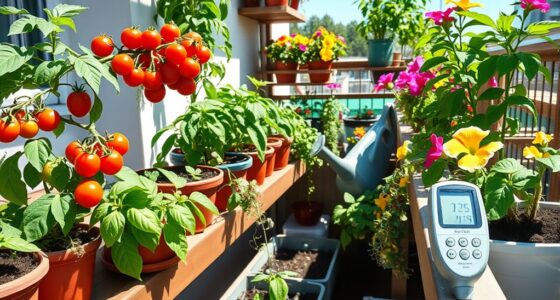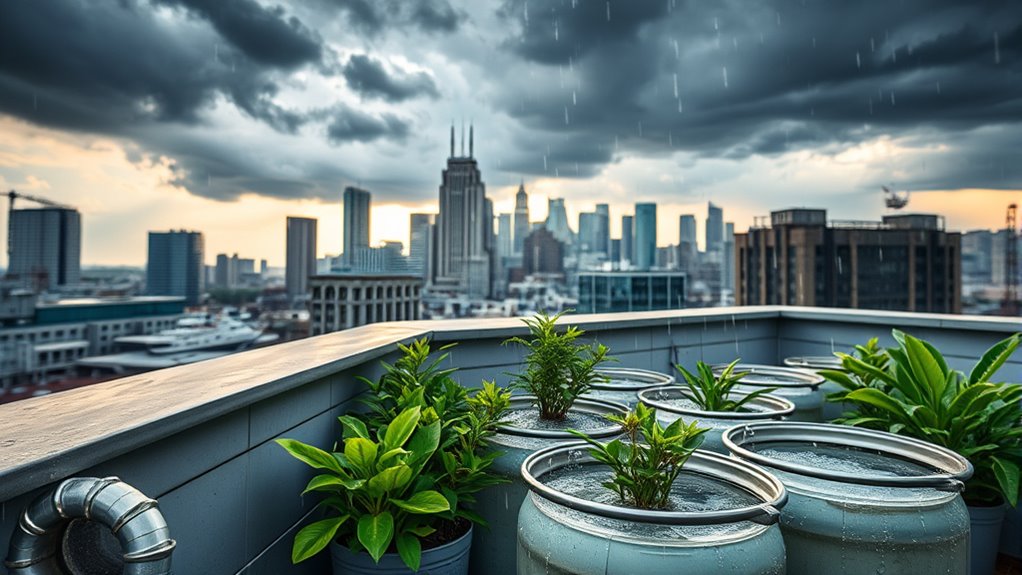

In most cities, you can collect rainwater for non-potable uses like gardening, landscaping, and flushing toilets, but regulations often specify system types, placement, and capacity limits. Larger or underground tanks may require permits, and safety standards must be met to prevent contamination or mosquito breeding. While restrictions may apply, especially for potable use, many programs offer incentives to encourage sustainable practices. If you’re interested, you’ll find more details about what’s permitted and how to comply.
Key Takeaways
- Most cities permit rainwater harvesting for non-potable uses like irrigation and toilet flushing.
- Regulations often require permits for larger or underground storage systems.
- Systems should include screens or filters to prevent debris and mosquito breeding.
- Use of harvested rainwater for potable purposes usually requires additional filtration and health standards.
- Ongoing maintenance and compliance with safety and placement regulations are mandatory.

Have you ever considered how rainwater harvesting can transform urban living? In cities, where water resources are often strained, collecting and using rainwater offers a practical way to enhance urban sustainability. Many local governments are now encouraging residents to adopt rainwater harvesting systems because they help reduce reliance on municipal water supplies, lower utility bills, and decrease stormwater runoff that can overwhelm sewer systems. However, understanding what’s allowed depends on your city’s specific water conservation policies and regulations. These policies are designed to ensure safety, environmental protection, and equitable access, so it’s essential to know the rules before installing any rainwater collection system.
Most cities permit residential rainwater harvesting, especially for non-potable uses such as irrigation, landscaping, or toilet flushing. These activities considerably cut down on the demand for treated city water, supporting broader water conservation efforts. Local regulations may specify the types of collection systems you can install, such as rain barrels or larger cisterns, and often include requirements for screens or filters to prevent debris and mosquitoes. Some jurisdictions may require permits for larger systems or installations that involve underground tanks, so you should check with your city’s building department first. Additionally, the design and placement of these systems must adhere to building codes to ensure safety and effectiveness.
Most cities allow residential rainwater harvesting for non-potable uses like irrigation and toilet flushing.
Cities aiming to promote urban sustainability often incorporate incentives or rebates for residents who implement rainwater harvesting. These programs not only encourage water conservation but also foster community engagement and environmental responsibility. Keep in mind that certain restrictions might be in place to prevent contamination or misuse of harvested rainwater. For instance, potable use may be prohibited unless the system meets specific health standards, which can involve additional filtration and treatment processes. Always verify whether your intended use aligns with city policies, and when in doubt, consult local authorities or water agencies.
Another important aspect is compliance with local building codes and zoning laws. These regulations can specify the placement, height, and capacity of rainwater storage units to ensure safety and proper integration into existing infrastructure. Some cities also require ongoing maintenance or inspections to ensure systems function correctly and do not become breeding grounds for pests or bacteria. Staying informed and adhering to these rules supports sustainable urban growth and helps preserve water resources for future generations.

Inground Pool Safety Covers, Fits 16x32ft Rectangular Winter Pool Cover for Swimming Pools, High Strength Mesh PP with Triple Stitching, Included Installation Tools (Blue, Fits 16x32ft Pools)
Pool Covers for Inground Pools–This Inground Pool Safety Cover size 18x34ft,fits rectangular pools size:16x32ft, with 2ft extra coverage...
As an affiliate, we earn on qualifying purchases.
Frequently Asked Questions
Are There Specific City Zones With Stricter Rainwater Harvesting Rules?
Some city zones, especially environmental zones, have stricter rainwater harvesting rules due to zoning restrictions. You should check local regulations, as these areas often impose limits on tank sizes or collection methods to protect the environment. Zoning restrictions aim to ensure sustainable water use, so it’s important to verify specific rules for your zone before installing a rainwater harvesting system. Contact city planning or environmental agencies for detailed guidance.
Can I Install a Rainwater Harvesting System Without a Permit?
You typically need a permit for installing a rainwater harvesting system, as permit requirements vary by city. Check your local installation guidelines first—some areas allow small systems without permits, while others require approval regardless of size. Failing to obtain the necessary permits can lead to fines or system removal. Always contact your city’s building department to confirm specific permit requirements and make certain your installation complies with local regulations.
What Are the Penalties for Non-Compliance With City Regulations?
If you don’t comply with city regulations, you face legal consequences like fines or penalties. Enforcement measures might include inspections, citations, or even orders to remove your rainwater harvesting system. Ignoring these rules can also lead to additional charges, so it’s best to follow all guidelines carefully. Staying compliant helps you avoid costly penalties and legal issues, ensuring your rainwater harvesting system remains within city laws.
How Does Rainwater Harvesting Impact City Water Supply Management?
You can enhance urban infrastructure and support water conservation efforts by harvesting rainwater. This practice reduces strain on city water supplies, making them more sustainable during dry periods. When you collect and use rainwater, you help balance the demand and supply, easing pressure on municipal systems. Your participation in rainwater harvesting contributes to a resilient city, ensuring cleaner, more reliable water resources for everyone while promoting responsible water management.
Are There Subsidies or Incentives for City Residents Installing Rainwater Systems?
Yes, there are often financial incentives and policy programs to encourage rainwater harvesting. City residents like you can benefit from subsidies or rebates that reduce installation costs. Local government initiatives aim to promote sustainable water use, so you should check your city’s environmental or public works department for specific programs. Taking advantage of these financial incentives can make installing a rainwater system more affordable and help support your community’s water conservation efforts.

Inground Pool Safety Cover,Heavy-Duty Winter Safety Cover for Inground Swimming Pools,Triple-Stitched Rectangle Pool Cover,Reinforced Design, All-Weather Protection (Green, 16FTx34FT)
[16x34 Inground Pool Safety Cover] :Ideal Pool Safety Covers for 16x34 Ft Pools : Experience superior protection with...
As an affiliate, we earn on qualifying purchases.
Conclusion
By embracing rainwater harvesting, you turn a simple act into a powerful force for change. It’s more than just collecting water—it’s about reclaiming control, nurturing your community, and protecting our future. Think of each drop as a tiny act of hope, a ripple that can transform your city. So, why not take that first step today? Your actions can be the drop that causes the wave of positive change to roll in.

VEVOR Inground Pool Safety Cover, 16 ft x 32 ft Rectangular Winter Pool Cover, Triple Stitched, High Strength Mesh PP Material with Good Rain Permeability (Fit 16x32ft Pools)
1. **Pool Covers for Inground Pools – Easy Winter Pool Care by VEVOR**: Our VEVOR pool covers for...
As an affiliate, we earn on qualifying purchases.

VEVOR Pool Safety Cover 18' x 36' Rectangle, Safety Pool Covers Green Mesh, 15-Year Warranty, Triple Stitched, MAX Strength Winter Safety Cover for Children & Pets
1. Happybuy 18x36 Inground Pool Safety Cover: Ideal Pool Safety Covers for 18x36 Ft Pools : Experience superior...
As an affiliate, we earn on qualifying purchases.