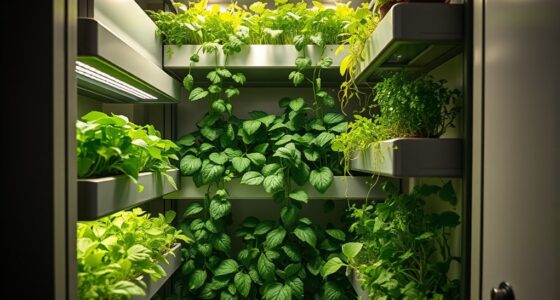
Switching to DIY, non-toxic cleaners for your home and garden helps you clean effectively while protecting your family and the environment. Use simple ingredients like vinegar, baking soda, lemon juice, and castile soap to create safe, eco-friendly solutions. These ingredients prevent pollution, reduce waste, and avoid harmful chemicals. By adopting sustainable cleaning practices, you can maintain a healthy household and garden, and there’s much more to discover about making your routines even greener and safer.
Key Takeaways
- Use common natural ingredients like vinegar, baking soda, lemon juice, and castile soap to create effective, non-toxic cleaning solutions.
- Prepare all-purpose cleaners by mixing vinegar and water, adding essential oils for a fresh scent and antimicrobial benefits.
- Incorporate baking soda for scrubbing and deodorizing, especially on sinks, tubs, and carpets, for chemical-free stain removal.
- Store homemade cleaners in reusable containers, reducing plastic waste and supporting sustainable, eco-friendly practices.
- Choose biodegradable ingredients and natural disinfectants to protect your home environment and promote health for family and pets.
Have you ever wondered if your cleaning routine could be both effective and environmentally friendly? You’re not alone. Many people want to keep their homes and gardens spotless without harming the planet. The good news is that you can create powerful, non-toxic cleaners using natural ingredients that are safe for your family, pets, and the environment. By opting for eco-friendly solutions, you also embrace sustainable practices that reduce waste and reliance on synthetic chemicals. Making your own cleaners at home isn’t just cost-effective; it’s a proactive step toward a greener lifestyle.
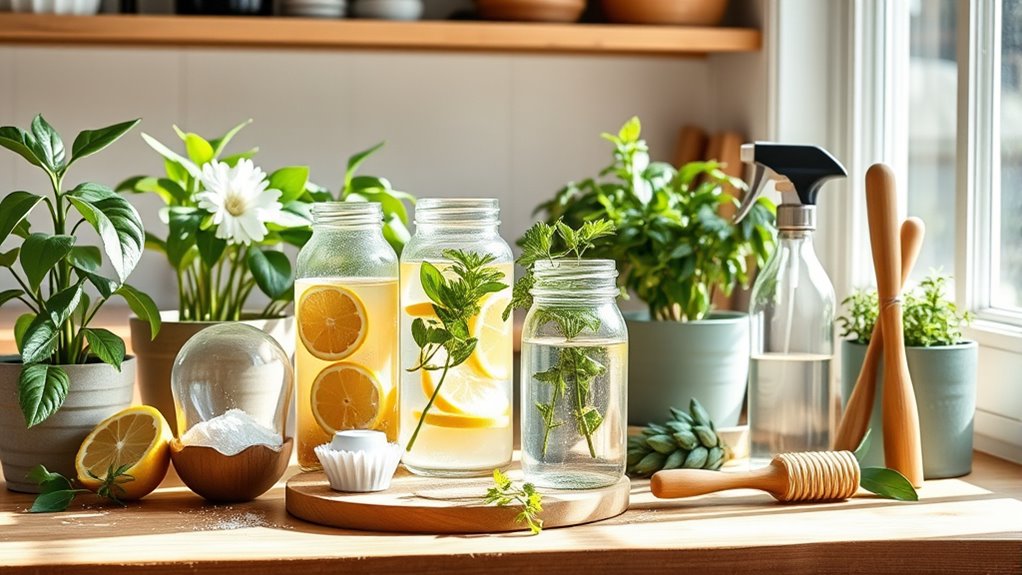
Start by gathering simple, readily available natural ingredients like vinegar, baking soda, lemon juice, and castile soap. These ingredients form the foundation of many DIY cleaners, offering versatility and effectiveness. Vinegar, for example, is a natural disinfectant that cuts through grime and soap scum, making it perfect for kitchen counters and glass surfaces. Baking soda acts as a gentle abrasive and deodorizer, ideal for scrubbing sinks, tubs, and even carpets. Lemon juice not only provides a fresh scent but also boasts antibacterial properties, making it suitable for kitchen utensils and cutting boards. Castile soap, made from vegetable oils, is a gentle yet powerful cleanser for dishes, laundry, and even surfaces around the house. Incorporating natural disinfectants into your cleaning routine enhances effectiveness without relying on synthetic chemicals.
Gather natural ingredients like vinegar, baking soda, lemon juice, and castile soap for eco-friendly cleaning.
Using these natural ingredients aligns with sustainable practices because it reduces reliance on plastic bottles, synthetic chemicals, and single-use products. You can store your homemade cleaners in reusable bottles or jars, minimizing waste. Plus, these ingredients are biodegradable, so they won’t pollute waterways or harm wildlife once disposed of. This eco-conscious approach helps lower your carbon footprint while maintaining a clean and healthy environment.
When creating your DIY cleaners, be mindful of proper proportions and usage. For example, a simple all-purpose cleaner can be made by mixing equal parts of vinegar and water, with a few drops of essential oil for scent. For tougher stains, sprinkle baking soda on surfaces before spraying with your vinegar solution, then scrub away. Lemon juice can be added to enhance cleaning power and leave a fresh aroma. Remember to label your containers clearly and keep them out of reach of children and pets.
Adopting these natural ingredients and sustainable practices in your cleaning routine isn’t just better for the planet — it’s better for you too. You avoid exposure to harsh chemicals that can irritate your skin or respiratory system. Plus, you gain the satisfaction of knowing that your cleaning methods are safe, effective, and eco-friendly. With a little effort, you can transform your cleaning routine into a green, non-toxic process that benefits your home, garden, and the environment.
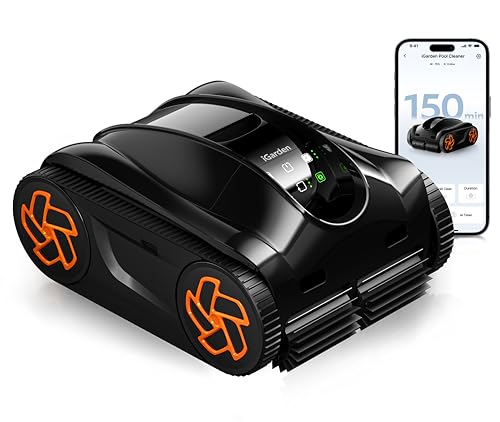
iGarden Robotic Pool Cleaner K Series, Cordless Pool Vacuum Robot for Inground & Above Ground Pools, Smart Navigation, Touchscreen, Self-Parking, Cleans Floor, Wall & Waterline, 150 Min
Robust Cleaning Capability: Engineered with a turbine-grade impeller, an optimized flow system, and 3 brushless motors, the cordless...
As an affiliate, we earn on qualifying purchases.
Frequently Asked Questions
Are DIY Eco Cleaners as Effective as Commercial Products?
You might wonder if DIY eco cleaners are as effective as commercial products. Generally, they can be because natural ingredients undergo chemical reactions that release cleaning power, though their ingredient potency varies. With proper preparation, DIY solutions can tackle dirt and grime effectively. However, commercial cleaners often contain concentrated chemicals designed for specific tasks. So, your success depends on understanding ingredient interactions and selecting the right homemade recipes.
How Long Do Homemade Cleaners Stay Fresh?
Think of homemade cleaners like fresh bread — they’re best enjoyed soon after making. Typically, with proper preservation methods, DIY cleaners stay effective for about 1 to 2 weeks, depending on ingredients. Follow shelf life guidelines to avoid spoilage, especially with natural preservatives like vinegar or essential oils. Regularly check for changes in smell or appearance, and refrigerate if needed to extend their freshness and effectiveness.
Can Eco Cleaners Remove Stubborn Stains?
Yes, eco cleaners can effectively remove stubborn stains when you use the right ingredients and techniques. For tough stains, apply eco-friendly methods like baking soda paste or white vinegar, which are gentle yet powerful. Let the solution sit, then scrub gently. These methods are safe for your home and the environment, making stain removal both effective and eco-conscious. With patience and proper application, stubborn stains don’t stand a chance.
Are DIY Cleaners Safe for Pets?
While it’s tempting to craft your own cleaning solutions, prioritize pet safety by carefully considering ingredient toxicity. DIY cleaners can be safe if you select gentle, non-toxic ingredients, but some common household items may pose risks. Always research each ingredient’s safety profile, keep cleaners out of pets’ reach, and opt for natural options that minimize hazards. Your pets’ well-being depends on thoughtful choices, ensuring a clean home without compromising their health.
How Should I Store Homemade Cleaning Solutions?
When storing your homemade cleaning solutions, you should use airtight containers to keep them fresh and prevent leaks. Store them in a cool, dark place away from direct sunlight, as heat and light can reduce their effectiveness. Follow storage tips like labeling each container clearly and checking the shelf life regularly. Typically, most DIY cleaners stay effective for about a month, so use them within that timeframe for best results.

(2026 Upgrade) WYBOT C1 Cordless Robotic Pool Vacuum for Inground Pools, Above Ground Pool Cleaner 4-in-1 Wall & Waterline Cleaning Up to 1,614sq.ft, 150mins Smart Navigation, App Support
Powerful Suction with Dual Brushes: Built with an upgraded independent water pump motor delivering up to 3,038 GPH...
As an affiliate, we earn on qualifying purchases.
Conclusion
By choosing DIY, non-toxic cleaners, you’re gently tending to your home and garden, creating a haven that’s both vibrant and welcoming. With each small step, you’re nurturing a healthier environment, where your loved ones can flourish without worry. Embrace these simple, eco-friendly solutions as your trusted companions, turning everyday chores into acts of kindness. Together, you’re cultivating a beautiful space—softly, naturally, and with care.

iGarden Robotic Pool Cleaner K Series, Cordless Pool Vacuum Robot for Inground & Above Ground Pools, Smart Navigation, Touchscreen, Self-Parking, Cleans Floor, Wall & Waterline, 220 Min
Robust Cleaning Capability: Engineered with a turbine-grade impeller, an optimized flow system, and 3 brushless motors, the cordless...
As an affiliate, we earn on qualifying purchases.

(2026 Upgraded) WYBOT C2 Cordless Robotic Pool Cleaner, Dual Filtration, Wall Climbing & Waterline Cleaning, App Scheduling, Smart Navigation, Pool Vacuum for Inground/Above Ground Pools-2152 Sq.ft
Dual Filtration System Captures Fine Debris: Featuring dual-layer filtration (180μm + 10μm), the pool cleaner robot efficiently traps...
As an affiliate, we earn on qualifying purchases.