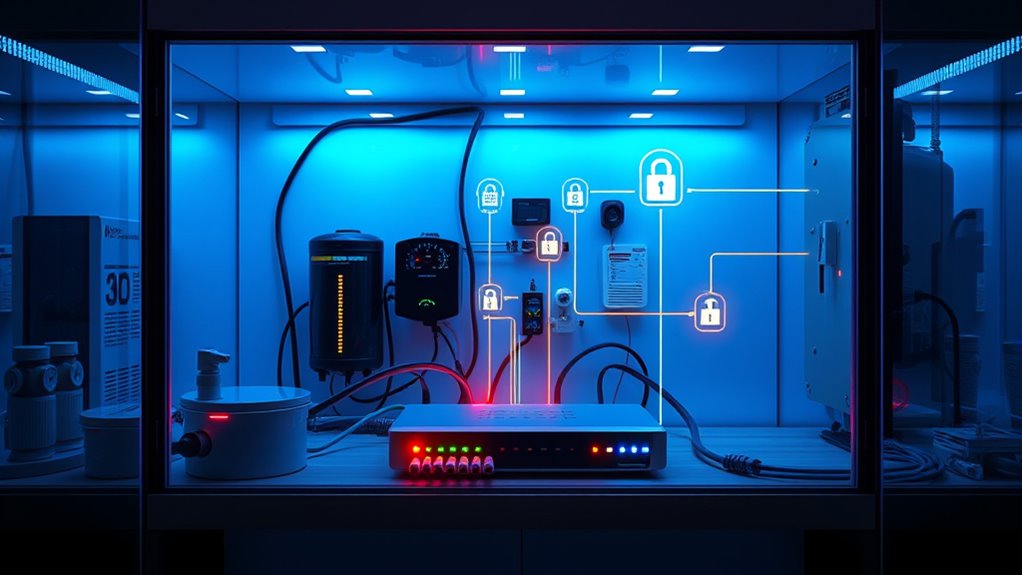

To secure your IoT pool gear, start by updating its firmware regularly and enabling strong, unique passwords. Set up a separate Wi-Fi network just for your pool devices and use WPA3 or WPA2 encryption to protect data. Disable remote access features you don’t need and monitor your network for unfamiliar devices. Verifying device authenticity and creating network segmentation adds extra layers of security. Keep these practices in mind to stay protected, and you’ll discover more ways to strengthen your setup.

Get garden gear delivered free — and shop member deals
- Fast, free delivery on millions of items
- Access to Prime Big Deal Days deals on October 6–7
- Prime Video, Amazon Music and more included
Key Takeaways
- Use WPA3 or WPA2 encryption to secure Wi-Fi connections for IoT pool devices.
- Create a separate network for pool gear, isolating it from sensitive primary networks.
- Regularly update firmware and change default passwords to patch vulnerabilities.
- Disable remote access and UPnP features to prevent unauthorized device control.
- Conduct ongoing security audits and monitor network activity for suspicious devices or behavior.
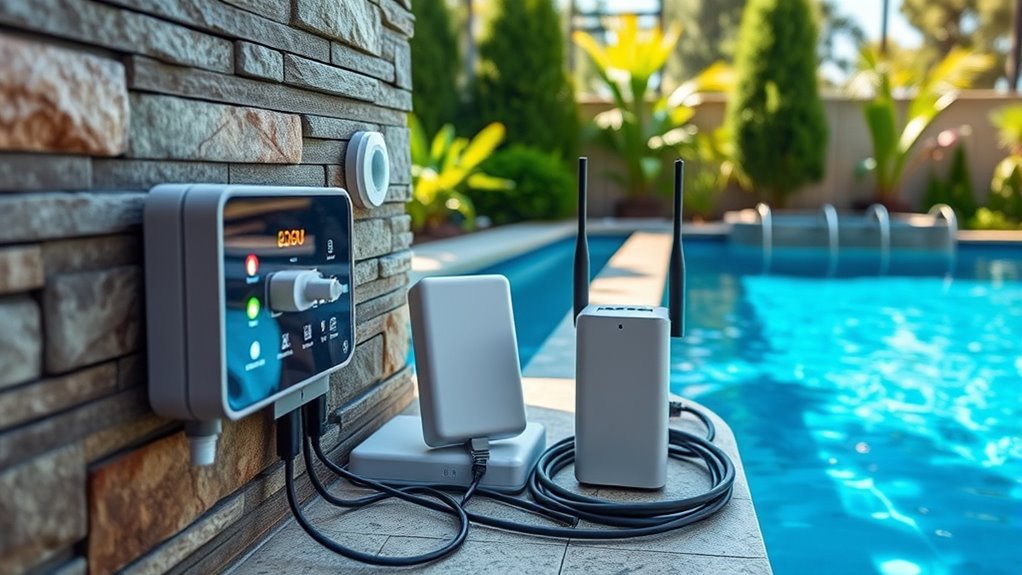
As more homeowners add IoT pool gear like smart pumps, automated cleaners, and remote controllers, securing these devices on your network becomes essential. These gadgets often connect to your Wi-Fi, making them potential entry points for cyber threats if left unprotected. Implementing proper security measures ensures your pool equipment remains safe from hacking attempts and unauthorized access. A key step is understanding and applying encryption protocols. Encryption scrambles the data transmitted between your devices and your network, making it unreadable to anyone trying to intercept it. Many IoT devices support protocols like WPA3 or WPA2, which provide robust encryption for your Wi-Fi connection. Guaranteeing your network uses these standards greatly reduces the risk of data breaches. Also, check if your pool gear supports end-to-end encryption, especially when controlling devices remotely via apps. If it does, enable these features to add an extra layer of security.
Secure your IoT pool gear with encryption protocols like WPA2 or WPA3 to protect against cyber threats.
Device authentication is another critical aspect. This process verifies that only authorized devices can connect to your network or interface with your pool gear. Many IoT devices require initial setup that involves creating secure passwords or pairing devices through secure methods like QR codes or secure pairing modes. Avoid default passwords, which hackers can easily find online. Instead, set strong, unique passwords for each device. Enable two-factor authentication if available, especially for control apps or web portals. This way, even if someone guesses your password, they’ll still need a second verification step to gain access. Regularly updating your devices’ firmware also plays a crucial role; manufacturers often release patches that fix security vulnerabilities. Keeping your pool gear updated ensures you benefit from these security enhancements. Additionally, performing regular security audits helps identify potential vulnerabilities before they can be exploited.
Network segmentation is a clever move. Consider creating a separate Wi-Fi network solely for your IoT devices. This isolates your pool gear from your primary network, which might include personal computers, smartphones, and other sensitive devices. Even if a hacker compromises your IoT devices, they won’t easily access your more important devices. You should also disable any unnecessary features like remote access or Universal Plug and Play (UPnP), which can be exploited by attackers if left enabled. Make sure your router’s admin credentials are strong and unique, preventing unauthorized users from changing your network settings. Lastly, regularly monitor network activity. Use your router’s management tools to check for unfamiliar devices or unusual data transfers, which could indicate a security breach.
Securing your IoT pool gear requires ongoing effort, but it’s worth it. By implementing encryption protocols, ensuring device authentication, and maintaining good security hygiene, you protect your smart pool equipment from cyber threats. These steps help keep your pool safe, your personal data private, and your summer relaxing without worry.
As an affiliate, we earn on qualifying purchases.
Frequently Asked Questions
How Often Should I Update My Iot Pool Gear Firmware?
You should update your IoT pool gear firmware as soon as security patches become available, ideally every few months. Regular firmware updates fix vulnerabilities and improve device performance. Check the manufacturer’s website or app regularly for updates, and enable automatic updates if possible. Staying current with firmware updates guarantees your pool gear remains secure and functions smoothly, reducing the risk of cyber threats or malfunctions.
Can I Isolate Pool Equipment on a Separate Network Segment?
Think of your network like a house; isolating your pool equipment is like creating a secure vault. Yes, you can set up network segmentation to keep your pool gear on a separate segment. This device isolation minimizes risks by preventing potential breaches from spreading. Use VLANs or dedicated subnets to isolate your IoT devices, and guarantee they’re protected without compromising your entire network’s security.
What Are Common Vulnerabilities in Iot Pool Devices?
You should be aware that common vulnerabilities in IoT pool devices include weak default passwords and lack of device encryption. Attackers often exploit default passwords if you don’t change them, gaining access easily. Additionally, poor device encryption leaves your pool equipment susceptible to data breaches or remote control hijacking. To protect your system, change default passwords immediately and guarantee each device uses strong encryption to safeguard your network.
How Do I Detect Unauthorized Access to My Pool Network?
Imagine your pool network as a guarded oasis. To detect unauthorized access, you keep an eye on your network intrusion alerts and monitor device activity for unusual spikes or unfamiliar IPs. Use network scanning tools to identify strange devices or traffic. Regularly review logs, set up alerts for suspicious activity, and make certain your security measures are active. This vigilance helps you spot and stop unauthorized access before it becomes a problem.
Are There Recommended Security Protocols for Iot Pool Gear?
You should use strong encryption standards like WPA3 for your Wi-Fi and guarantee your IoT pool gear supports it. Regularly update firmware to patch security vulnerabilities. Practice good password management by creating unique, complex passwords for all devices and changing them periodically. Enable multi-factor authentication if available. These steps help protect your IoT pool gear from unauthorized access and keep your pool network secure.
Conclusion
By securing your IoT pool gear, you’re planting a sturdy tree in your digital landscape—its roots deep in strong passwords and vigilant updates. Like a guardian shield, these measures protect your oasis from unseen threats, ensuring your tranquil pool remains undisturbed. Remember, each secure device is a leaf in your network’s canopy, offering shade and peace of mind. With vigilance, your connected sanctuary can flourish, resilient against the storms of cyber threats.
Fall yard work Picks
leaf blowers
As an affiliate, we earn on qualifying purchases.