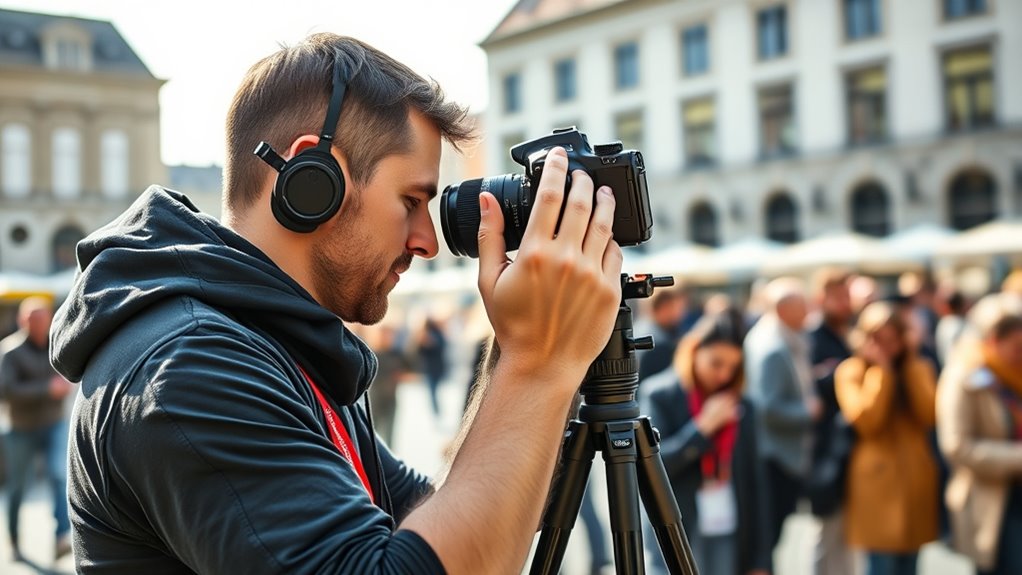
Using cameras for safety is essential, but it’s important to balance security with ethics. Respect individual privacy by avoiding private spaces and clearly communicating surveillance purposes. Follow local laws on data storage and signage, and handle footage securely to prevent leaks. Regularly review your camera placement to make sure it aligns with community standards. If you want to learn more about maintaining ethical and effective surveillance practices, continue exploring these important guidelines.
Key Takeaways
- Use clear signage to inform the public about surveillance and its purpose.
- Position cameras to monitor public areas, avoiding private spaces like homes or secluded areas.
- Comply with local laws regarding recording, data storage, and privacy protections.
- Limit access to footage, store recordings securely, and handle data responsibly.
- Regularly review camera placement and policies to balance security needs with respecting individual privacy.
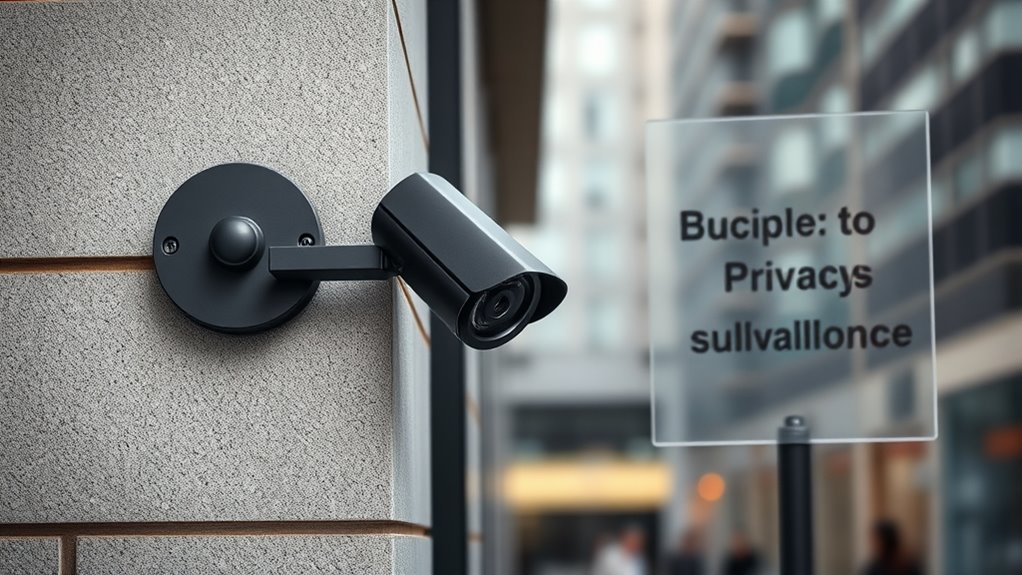
Cameras have become vital tools for enhancing safety in many settings, from public streets to private properties. They help deter crime, monitor activity, and provide valuable evidence when incidents occur. However, as you implement camera systems, you need to be mindful of privacy concerns. People value their privacy, and capturing footage without proper boundaries can lead to discomfort or accusations of invasion of privacy. It’s imperative to strike a balance between security and respecting individual rights. You should be transparent about where cameras are placed and what they record, ensuring that footage isn’t collected or stored in ways that could infringe on personal privacy. This means avoiding cameras that intrude into private spaces like homes or secluded areas, and clearly communicating the purpose of surveillance to all affected parties.
Legal regulations play a significant role in guiding how you set up and operate your camera systems. Different jurisdictions have specific rules about recording, data storage, and access. Familiarize yourself with local laws to avoid legal repercussions. For example, some regions require signs indicating surveillance, while others restrict recording in certain locations. You must also handle footage responsibly, ensuring it’s stored securely and only accessed by authorized personnel. Properly following these legal regulations not only keeps you compliant but also builds trust with those being monitored. Failing to adhere to applicable laws can lead to fines, lawsuits, or damage to your reputation, so it’s vital to stay updated on changing regulations.
When you consider privacy concerns and legal regulations together, you create a framework that protects both your safety goals and individual rights. For instance, avoid placing cameras in areas where people have a reasonable expectation of privacy, such as bathrooms or changing rooms. Use clear signage to inform passersby that they’re under surveillance, which can reduce misunderstandings and allegations of covert monitoring. Regularly review your camera policies and practices to ensure they align with current laws and community standards. This proactive approach demonstrates your commitment to ethical security measures, which can enhance public trust.
Additionally, understanding the importance of proper storage and handling of footage ensures that sensitive recordings are protected from unauthorized access or leaks. Ultimately, the effectiveness of your camera system depends on your ability to balance safety with respect for privacy and legal compliance. By doing so, you not only create a safer environment but also foster trust and transparency with the community or individuals you aim to protect. Remember, responsible surveillance isn’t just about catching trouble; it’s about doing so ethically, respecting rights, and adhering to the law.
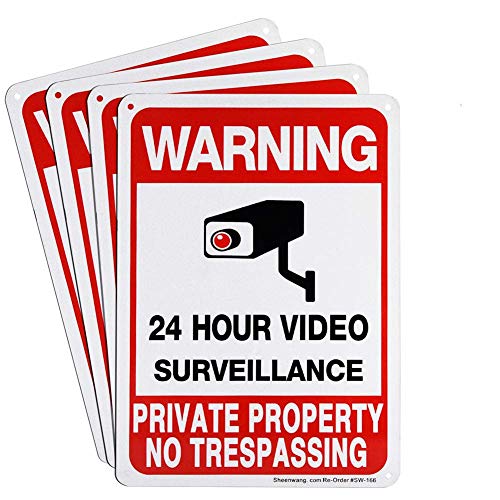
Sheenwang 4-Pack Private Property No Trespassing Sign, Video Surveillance Signs Outdoor, UV Printed .040 Mil Rust Free Aluminum 10 x 7 in, Security Camera Sign for Home, Business, Driveway Alert, CCTV
Clear to Read: No trespassing signs made by high quality printing and the letter are clear to read,…
As an affiliate, we earn on qualifying purchases.
As an affiliate, we earn on qualifying purchases.
Frequently Asked Questions
How Do Privacy Laws Differ Across Regions Regarding Surveillance Cameras?
Regional regulations vary widely when it comes to surveillance cameras, affecting how you can use them. Some areas have strict rules protecting privacy, limiting where and when cameras can record, while others offer privacy exemptions for public spaces or law enforcement. You need to stay informed about your region’s specific laws to guarantee compliance. Ignoring these regulations can lead to legal issues, so always check local rules before installing or operating surveillance cameras.
What Are the Ethical Considerations for Using Facial Recognition Technology?
Using facial recognition tech is like walking a tightrope—you must balance benefits with ethics. You should prioritize bias mitigation to prevent unfair treatment and make sure your system doesn’t reinforce stereotypes. Consent management is vital—you need clear permission from individuals before processing their data. By addressing these ethical considerations, you respect privacy and foster trust, guaranteeing your use of facial recognition aligns with moral standards and legal requirements.
How Can Organizations Ensure Transparency in Their Camera Surveillance Practices?
To guarantee transparency in your camera surveillance practices, you should actively engage with the community through open forums and feedback sessions. Develop clear policies that explain how and why cameras are used, and share these with the public. Regularly update your policies based on community input and technological advances. This approach builds trust, demonstrates accountability, and helps you align your practices with ethical standards and community expectations.
What Steps Should Be Taken if a Camera Captures Unintended Private Activity?
If your camera captures unintended private activity, you should follow strict consent procedures and prioritize data anonymization. First, review the footage carefully, then delete it promptly if it contains sensitive information not relevant to safety or security. Implement protocols to anonymize any remaining data, ensuring individuals’ identities are protected. Regularly train staff on privacy policies, and report any breaches transparently to maintain trust and comply with regulations.
Are There Industry Standards for Data Retention and Security in Camera Systems?
Think of industry standards as the guardrails on a winding road—you need them to stay safe. You should guarantee your camera systems follow best practices for data retention and security, including strong data encryption and clear storage protocols. These standards help protect sensitive footage from breaches and unauthorized access, giving you peace of mind that your data stays secure and compliant with industry regulations.

6 x Notice This Area is Under Video Surveillance Stickers | 5 x 7 inches 24 Hour Surveillance Security Sign | Waterproof, UV Protected Vinyl Private Property No Trespassing Safety Decals for Indoor/ Outdoor Use
Quality Printing: These notice video surveillance stickers feature clear black-and-white graphics designed for professional security communication. The clean…
As an affiliate, we earn on qualifying purchases.
As an affiliate, we earn on qualifying purchases.
Conclusion
While some worry cameras invade privacy, remember they’re crucial for safety and security. When used ethically and responsibly, they protect everyone, deter crime, and guarantee accountability. If you think cameras are intrusive, consider how they can prevent harm and save lives. Embracing this technology with the right guidelines means you get safety without sacrificing your rights. So, trust in responsible surveillance—it’s about protecting, not invading, your community.

ANNKE 3K Lite Wired Security Camera System Outdoor with AI Human/Vehicle Detection, 8CH H.265+ DVR and 8 x 1920TVL 2MP IP67 Home CCTV Cameras with Smart Dual Light, Color Night Vision, 1TB Hard Drive
AI Motion Detection 2.0 – Driving AI to the next level, human&vehicle detection and flexible detection area are…
As an affiliate, we earn on qualifying purchases.
As an affiliate, we earn on qualifying purchases.

TP-Link Tapo 1080P Indoor Security Camera for Baby Monitor, Dog Camera w/Motion Detection, 2-Way Audio Siren, Night Vision, Cloud & SD Card Storage, Works w/Alexa & Google Home (Tapo C100)
【Motion Detection & Instant Notification】Get instant push notifications when motion, person or baby crying is detected, there is…
As an affiliate, we earn on qualifying purchases.
As an affiliate, we earn on qualifying purchases.