To avoid geofencing misfires, guarantee your boundaries are precise and backed by reliable technology like GPS, Wi-Fi, or Bluetooth. Regularly update and test your platform to improve accuracy, and consider using fallback methods such as cross-checking signals. Clearly define your geofences to target relevant users without overextending, and prioritize transparency to build trust. Keeping these strategies in mind helps deliver relevant prompts and prevents user frustration. To learn more about perfecting your geofencing approach, keep exploring key best practices.
Key Takeaways
- Use precise, well-defined geofence boundaries based on accurate mapping data to prevent irrelevant triggers.
- Incorporate multiple signals like GPS, Wi-Fi, and Bluetooth for reliable geofence detection.
- Regularly update and refine geofence parameters based on real-world performance data.
- Implement fallback mechanisms to cross-verify signals and reduce false positives.
- Ensure transparent communication and responsible data handling to build user trust and minimize misfires.
Geofencing has become a powerful tool for targeted marketing and location-based services, but when it misfires, it can frustrate users and damage trust. If your geofencing strategies aren’t carefully calibrated, you risk alienating your audience rather than engaging them. One of the biggest hurdles is balancing effective targeting with respect for privacy concerns. Users are increasingly aware of how their location data is collected and used, and if they feel their privacy is being compromised, they may withdraw consent or develop negative perceptions of your brand. To prevent this, you need transparent communication about how you handle data, clear opt-in options, and strict privacy policies that reassure users their information remains secure. Privacy concerns shouldn’t be an afterthought; they’re central to building trust and ensuring your geofencing efforts succeed.
Prioritize transparency and privacy to build trust and ensure effective, user-friendly geofencing campaigns.
In addition, technical reliability plays a *vital* role in *guaranteeing* your geofencing campaigns don’t misfire. The technology behind geofencing relies heavily on accurate GPS, Wi-Fi, and Bluetooth signals, which can sometimes be unreliable, especially in densely built urban areas or indoors. If your geofence triggers at the wrong time or location, users may receive irrelevant notifications or offers, leading to annoyance and a loss of credibility. To minimize these errors, you need robust, well-tested geofencing platforms that can handle real-time data and adapt to different environments. Regular updates and maintenance of your software ensure that geofences are precise and dependable. Also, incorporating fallback mechanisms—such as cross-checking multiple signals—can boost accuracy and reduce the chance of misfires.
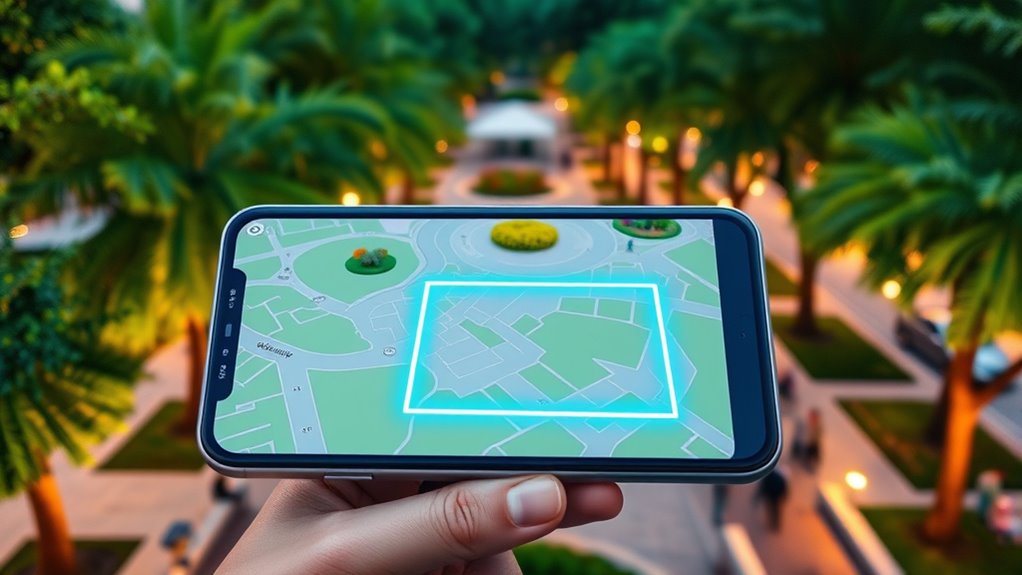
Another aspect *to bear in mind* is defining clear boundaries for your geofences. Overly broad or vague perimeters can cause your messages to reach users who aren’t genuinely interested or nearby, which diminishes the relevance of your outreach. Conversely, overly strict boundaries might miss potential customers altogether. Striking the right balance requires precise mapping and ongoing analysis of user interactions. By refining your geofences based on real-world data and feedback, you improve both the reliability and relevance of your campaigns. Additionally, understanding the importance of mental wellbeing indices can help marketers develop more empathetic and user-centric geofencing strategies that respect individual needs and promote positive engagement.
Ultimately, successful geofencing hinges on respecting user privacy and ensuring technical precision. When you prioritize transparency and invest in reliable technology, you create a seamless experience that benefits both your brand and your audience. Avoiding misfires isn’t just about avoiding errors; it’s about building trust through responsible, accurate, and user-focused location-based marketing. When done correctly, geofencing becomes a powerful tool that enhances engagement without sacrificing user confidence.
Top picks for "geofenc doesn misfire"
Open Amazon search results for this keyword.
As an affiliate, we earn on qualifying purchases.
Frequently Asked Questions
How Does Geofencing Impact User Privacy and Data Security?
Geofencing can impact your user privacy and data security by collecting your location data, which might be shared or stored insecurely. You should be aware of how companies handle this info, ensuring they follow strict data security measures. To protect your privacy, opt for apps that offer transparent data policies and allow you to control location sharing, minimizing potential risks associated with geofencing technology.
What Industries Benefit Most From Accurate Geofencing?
You’ll find retail analytics and event management benefit most from accurate geofencing. Retailers can target customers nearby with personalized offers, boosting sales and engagement. Event organizers use precise geofencing to manage access, enhance attendee experience, and improve security. When geofencing is accurate, it guarantees your marketing efforts and event logistics are seamless, giving you a competitive edge while safeguarding user privacy and data security.
How Can False Triggers in Geofencing Be Minimized Effectively?
False triggers in geofencing are like false alarms ringing in a quiet room. To minimize them, you should prioritize location accuracy by using high-quality GPS signals and Wi-Fi data. Implement trigger validation by cross-checking user movements and behaviors before sending notifications. Regularly update geofence boundaries and monitor system performance. These steps help *guarantee* your geofencing remains precise, reducing false triggers and making your campaigns more reliable and effective.
What Are the Latest Technological Advancements in Geofencing?
You can leverage the latest advancements like augmented reality and advanced location-based analytics to enhance geofencing accuracy. These technologies allow you to create more precise, dynamic boundaries and better interpret user behavior, reducing false triggers. By integrating AR, you improve contextual relevance, while sophisticated analytics help refine user targeting, ensuring your geofencing efforts are more reliable and engaging. Stay updated on these innovations to maximize your geofencing effectiveness.
How Does Geofencing Integration Improve Overall Marketing Strategies?
Your marketing efforts become unstoppable with geofencing integration, transforming your approach into a precision-guided missile. It boosts your marketing strategies by enhancing location targeting and customer segmentation, ensuring your messages reach the right audience at the perfect moment. This smart technology allows you to personalize campaigns, increase engagement, and maximize conversions, making your efforts more efficient and effective. Embrace geofencing to turn every interaction into a golden opportunity.
Conclusion
To avoid misfires in your geofencing strategies, focus on precise location data and clear boundaries. For example, a retail store set a geofence around its parking lot but accidentally included a nearby park, leading to irrelevant notifications. By refining the boundaries and using accurate GPS technology, you guarantee your messages reach the right audience at the right time. Proper setup not only boosts engagement but also builds trust with your customers.