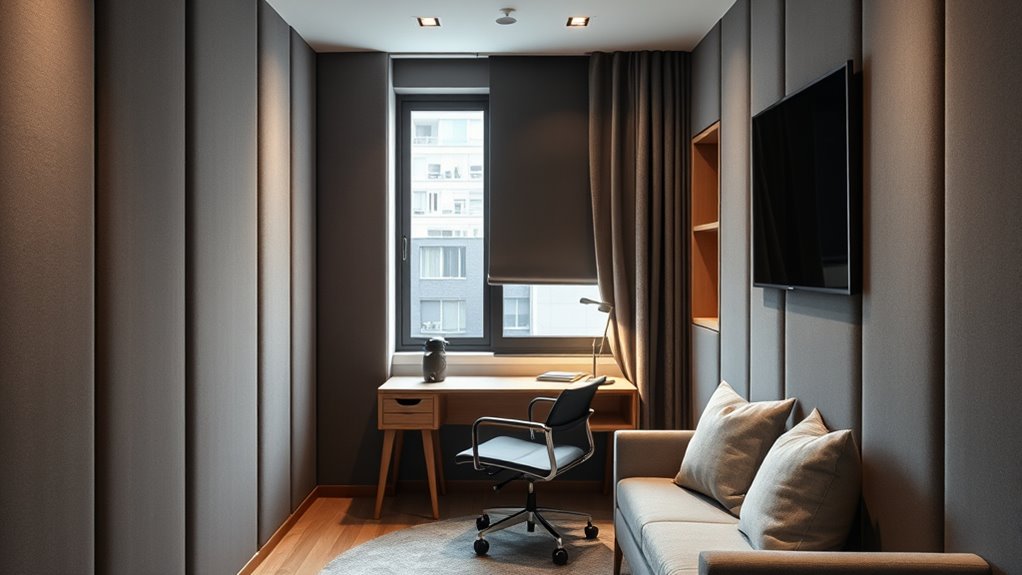

To improve privacy in small apartments, start by sealing gaps around your doors with weatherstripping and adding door sweeps to block noise leaks. Consider replacing hollow doors with solid ones or using heavy curtains for windows. Incorporate furniture like bookshelves and plush rugs to absorb sound and create a buffer. Using white noise machines can mask external noises effectively. Keep exploring for more simple, impactful tips to make your space quieter and more private.
Key Takeaways
- Seal gaps around doors with weatherstripping or door sweeps to block noise leaks.
- Use sound masking devices like white noise machines to mask external sounds effectively.
- Add soft furnishings such as rugs, curtains, and wall hangings to absorb sound and reduce echo.
- Replace hollow-core doors with solid or soundproof models for better sound insulation.
- Strategically position furniture like bookshelves to act as barriers against noise transmission.
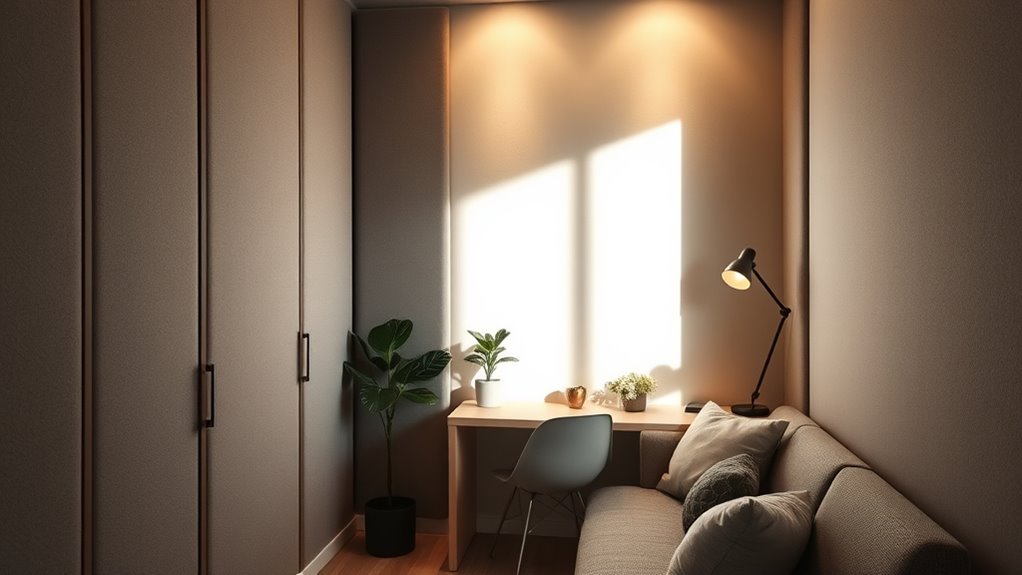
Have you ever wondered how safe your personal information truly is online? While digital security is essential, physical privacy matters just as much, especially when living in a small apartment. Limited space often makes soundproofing a challenge, but with the right privacy hacks, you can create a more secluded, peaceful environment. One effective method is focusing on door insulation. Doors are often the weakest point for sound transmission, so upgrading or adding insulation can make a noticeable difference. You can install door sweeps or weatherstripping to seal gaps at the bottom and sides, preventing noise from leaking in or out. For a more substantial barrier, consider adding acoustic panels or even replacing hollow-core doors with solid ones designed for soundproofing. These adjustments help block out street noise, neighbors’ conversations, or other disturbances, making your space feel more private and secure.
Alongside door insulation, sound masking plays a key role in maintaining your privacy. Sound masking involves introducing a consistent background noise, like white noise or gentle ambient sounds, which drowns out intrusive sounds and conversations. You can use a white noise machine or smartphone apps that generate calming sounds such as rain, wind, or soft hums. This technique is especially useful in small apartments where walls are thin and sound easily travels. It creates a buffer that makes it harder for others to overhear your conversations or for external noise to disturb your peace. Combining sound masking with physical insulation amplifies your privacy, giving you control over your environment. Additionally, understanding the shelf life of grape juice and other perishable items can help you manage your supplies better, ensuring your home remains comfortable and well-organized.
In addition to these strategies, consider the placement of furniture and decor. Bookshelves, fabric wall hangings, and plush rugs absorb sound and reduce echo, further enhancing your privacy. Window treatments like heavy curtains or window inserts also help block outdoor noise, creating a cocoon of tranquility inside your apartment. When it comes to digital privacy, be mindful of your online habits, but remember that physical soundproofing is a tangible, immediate way to secure your personal sanctuary. Soundproofing your space isn’t just about comfort; it’s about reclaiming your privacy and feeling safe within your own walls. Small adjustments, like upgrading your door insulation and implementing sound masking techniques, make a big difference. They help you enjoy your space without constant worry about noise disturbances or unwanted eavesdropping, giving you a true sense of control over your personal environment.

MAXTID Large Door Draft Stopper for Bottom of Doors 36” Under Door Sweep Noise Blocker Black Gap Stoppers Adjustable Doors Seal Sweep Guard Draft, Window Breeze Stoppers, Home Essentials Gadgets
Large door draft stopper foam is 2 inches in diameter, which is larger than most sellers' foam and…
As an affiliate, we earn on qualifying purchases.
As an affiliate, we earn on qualifying purchases.
Frequently Asked Questions
What Are the Most Cost-Effective Soundproofing Materials?
If you’re looking for cost-effective soundproofing materials, consider green insulation, which is affordable and eco-friendly, and acoustic panels that absorb sound effectively. Green insulation can be easily installed in walls to reduce noise transmission, while acoustic panels are perfect for blocking or dampening sound in small spaces. Both options offer budget-friendly solutions that markedly improve privacy without breaking the bank, making your apartment quieter and more comfortable.
How Do Window Coverings Impact Noise Reduction?
Wondering how window coverings can cut noise? You’ll find that window curtains and window films are fantastic for muffling sound. Thick, heavy curtains absorb and block out noise, creating a calmer space. Meanwhile, window films add a layer of insulation, reducing noise transmission through glass. Both options work wonders in small apartments, helping you enjoy quieter, more peaceful days and nights without breaking the bank.
Can Furniture Placement Improve Privacy in Small Apartments?
You can improve privacy in your small apartment through strategic furniture arrangement. Positioning bookshelves or large furniture pieces against shared walls creates a physical barrier that enhances privacy. Using furniture to block direct sightlines also helps, especially in open layouts. This simple privacy enhancement technique not only reduces noise transmission but also makes your space feel more secluded and comfortable, giving you greater control over your environment.
Are There DIY Soundproofing Solutions Suitable for Renters?
Imagine turning your tiny haven into a fortress of peace. Renter-friendly solutions exist for temporary soundproofing—think heavy curtains, draft stoppers, or DIY wall panels. You can easily implement these DIY soundproofing ideas without damaging walls or breaking the lease. These renter-friendly solutions help block noise effectively, giving you the privacy you crave. With a little effort, you turn your small apartment into a quiet retreat, no permanent changes needed.
How Does Door Sealing Affect Sound Insulation?
Door sealing markedly impacts sound insulation by enhancing door seal effectiveness, reducing gaps that let noise in or out. You’ll find that soundproof door types, like solid core or specialized acoustic doors, work best when combined with proper sealing. To improve soundproofing, seal all edges and gaps around your door with weatherstripping or acoustic seals. This simple step makes a noticeable difference in creating a quieter, more private space.
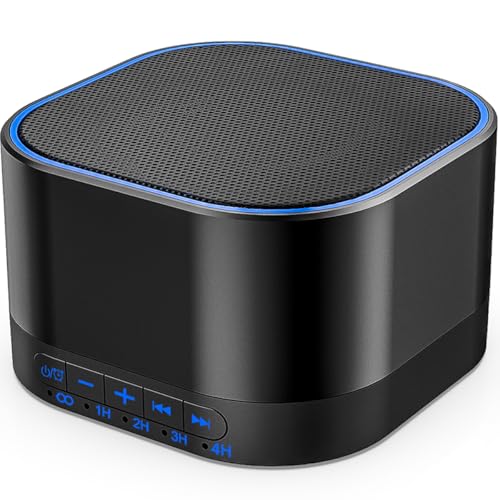
Magicteam White Noise Machine with 20 Non Looping Natural Soothing Sounds Memory Function 32 Levels of Volume Powered by AC or USB and Sleep Sound Timer Therapy for Baby Kids Adults Black
❤20 Non-Looping Sleep Sounds: White noise ,Brown noise, pink noise, blue noise, fan,brook, rain, ocean,bird and Bonfire,suitable for…
As an affiliate, we earn on qualifying purchases.
As an affiliate, we earn on qualifying purchases.
Conclusion
By soundproofing your small apartment, you’re not just sealing out noise—you’re creating a sanctuary where privacy becomes your fortress. Think of it as planting a shield around your personal space, turning vulnerability into strength. Remember, in a world full of whispers and distractions, your home should be your silent rebel, whispering only what you want heard. With these hacks, you hold the power to turn silence into your most precious ally.

Focusound 52 Pack Acoustic Foam Panels 1" x 12" x 12" Sound Proof Foam Panles Soundproofing Noise Cancelling Wedge Panels for Home Office Recoding Studio with 300PCS Double-Side Adhesive
Soundproofing – Acoustic foam panels triangular grooves structure for better noise absorption, helps to reduce and absorb unwanted…
As an affiliate, we earn on qualifying purchases.
As an affiliate, we earn on qualifying purchases.
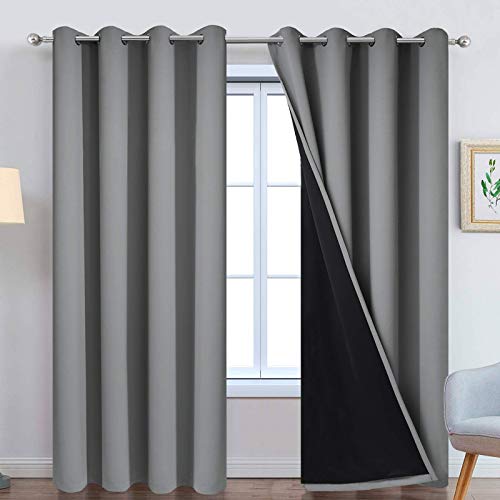
Yakamok 100% Blackout Curtains 84 Inches Long, 2 Thick Layers Heat and Full Light Blocking Soft Thermal Insulated Drapes for Bedroom(52" Wide Each Panel, Grey, 2 Panels)
PACKAGE MADE:2 panels per package. Each Lined Curtain measures 52" wide x 84" long. 8 Silvery Grommets per…
As an affiliate, we earn on qualifying purchases.
As an affiliate, we earn on qualifying purchases.