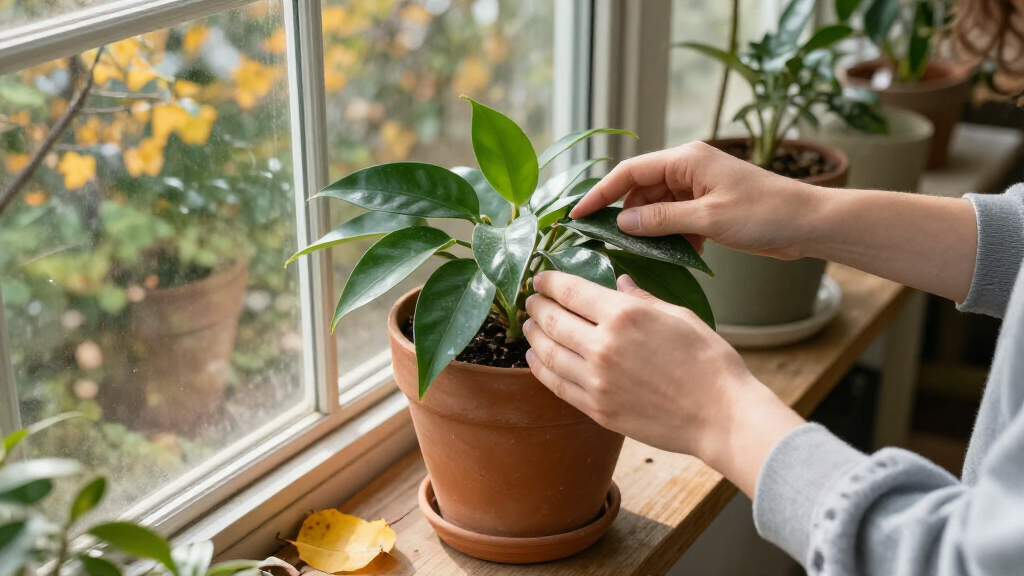
TL;DR

Get garden gear delivered free with Prime
- Fast, free delivery on millions of items
- Prime Video, Amazon Music and more included
- Member-only deals all year
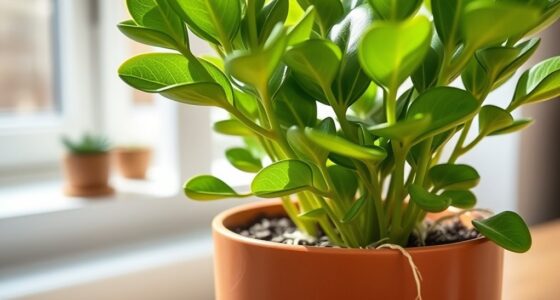
Gardening Know How recommends changing jade plant care in October as shorter days and slower growth raise the risk of overwatering and weak, stretched growth. Its seven tips include providing bright light, letting the soil dry before watering, bringing plants inside before cold nights, checking for pests and postponing routine pruning and repotting until spring.
Gardening Know How has published seven October care tips for jade plants, recommending less watering and fertilizer, more attention to light and checks for cold damage and pests. The advice addresses a seasonal change: Crassula ovata grows more slowly through winter, so a summer routine can leave its soil wet for too long and its stems short of light.
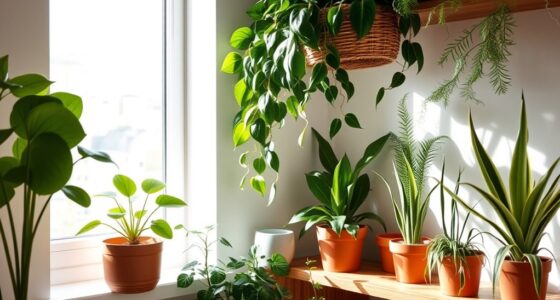
The report says to place jade plants in the brightest available spot, ideally receiving four or more hours of direct sun a day. A south- or west-facing window may provide suitable light, but leaves should not touch cold glass at night or sit beside a radiator or heat vent. If natural light is inadequate, the article suggests using a grow light. Rotating the pot a quarter turn at watering time can help keep new growth from leaning toward the window.
Water only after the potting mix is dry throughout or nearly so, the report advises. The top layer can dry before the soil around the roots, so checking deeper with a wooden chopstick or moisture meter offers a better indication. When the mix is dry, water thoroughly and allow the pot to drain. Soft, yellow leaves that drop easily can indicate overly wet roots, while wrinkled, deflated-looking leaves can signal insufficient water.
The remaining advice is to pause fertilizer until fresh spring growth appears, inspect plants for mealybugs and scale before moving outdoor specimens inside, and defer major pruning or repotting until spring. The report says to bring outdoor jade plants in once nighttime temperatures regularly fall below 50°F (10°C); temperatures much below 40°F (4°C) can kill the plant. It recommends removing only soft or damaged stems during winter, using clean tools.
Why October Care Changes Matter
Seasonal adjustments can reduce common winter problems for a plant that is still kept indoors and needs regular attention. With less sunlight and slower growth, jade plants use water more slowly. Soil that stays damp in a cool room can contribute to root trouble, while low light can leave stems stretched and weak. The central message is to adjust care to the plant’s slower pace, rather than continue a summer schedule.
Temperature and pest checks also matter when moving plants indoors. A plant brought inside may carry pests that can spread to other houseplants, while exposure to cold nights can damage leaves. The report also notes a possible seasonal reward: mature jade plants given cool nights and a fairly dry rest may produce small white or pale pink flowers in winter. It describes indoor flowering as uncommon, not guaranteed.
full spectrum LED grow light for indoor plants with timer
As an affiliate, we earn on qualifying purchases.
As an affiliate, we earn on qualifying purchases.
Jade Plants Enter a Slower Season
The article describes October as the start of a slower period for jade plants, with shorter days and lower sun angles reducing available light. Indoor heating can also change conditions around a plant. During this period, the report says, plants grow little from fall through late winter, making heavy feeding and routine major pruning less useful than they are during active growth.
The recommendations come from Gardening Know How, a gardening publication, and are presented as general seasonal guidance rather than a report of new research or a change to official horticultural standards. The source also notes that a jade plant can remain in a snug, root-bound pot for years, so repotting is usually not urgent. Rot or a broken branch is an exception to waiting until spring.
What Depends on Home Conditions
The source provides general guidance, not a watering calendar or a single indoor temperature and light prescription for every home. How often a plant needs water depends on factors such as the pot, soil, room temperature and available light; the report’s practical advice is to check the mix rather than follow a fixed schedule. It also does not say every plant will flower in winter: indoor blooms are described as fairly uncommon, and cool nights and bright light only improve the chance.
The article does not provide independent testing or specific product comparisons for the grow lights, moisture meter, fertilizer and tools it mentions. Its advice to use rubbing alcohol on mealybugs includes testing a leaf first, and it warns that insecticidal soap can damage jade leaves. Readers should follow product labels and take care with any pest treatment; the source does not establish that every treatment is suitable for every plant or household.
Care Through Winter and Spring
For the coming months, the guidance is to keep the plant in bright light, check soil before watering and monitor it for pests or cold-related damage. Outdoor plants should be brought inside when nights regularly fall below the stated threshold. Owners can watch for signs of excess moisture or dehydration and adjust their care based on the plant and its conditions.
When fresh growth appears in spring, the report says, feeding can resume with a liquid fertilizer intended for jade plants or other succulents. Major pruning and repotting can also be considered then, unless damage or rot calls for earlier attention. The source does not provide a specific date for that return to active care; it ties the timing to visible new growth.
Key Questions
How often should I water a jade plant in October?
The report gives no fixed interval. Let the potting mix dry throughout or nearly so before watering, checking below the surface with a chopstick or moisture meter. When dry, water thoroughly and let the pot drain.
When should an outdoor jade plant come inside?
Gardening Know How advises bringing it indoors when nighttime temperatures regularly drop below 50°F (10°C). Colder conditions can damage leaves, and temperatures much below 40°F (4°C) can kill the plant.
Should I fertilize my jade plant in winter?
The report recommends pausing fertilizer until fresh growth appears in spring, because jade plants grow very little from fall through late winter.
Can a jade plant flower indoors in winter?
It can, but the source describes indoor flowering as uncommon. A mature plant in bright light with cool nights and a fairly dry rest may have a better chance of producing small white or pale pink flowers.
Should I repot or prune a jade plant in October?
Routine major pruning and repotting can usually wait until spring, according to the report. Rot or a broken branch is an exception; damaged or soft stems should be cut back to healthy tissue with clean tools.
Source: rss
Fall yard work Picks
leaf blowers
As an affiliate, we earn on qualifying purchases.