
TL;DR

Get garden gear delivered free with Prime
- Fast, free delivery on millions of items
- Prime Video, Amazon Music and more included
- Member-only deals all year
In June, tomato growers should support vining varieties, prune side shoots, fertilize during flowering, water consistently, and protect plants from heat. These tasks help ensure a bigger, juicier harvest.
Tomato growers should perform five key tasks in June to promote healthy, high-yield plants, according to gardening experts. These actions include supporting vining varieties, pruning side shoots, fertilizing during flowering, maintaining consistent watering, and protecting plants from extreme heat. Proper care now can lead to a bigger, juicier harvest later in the season.
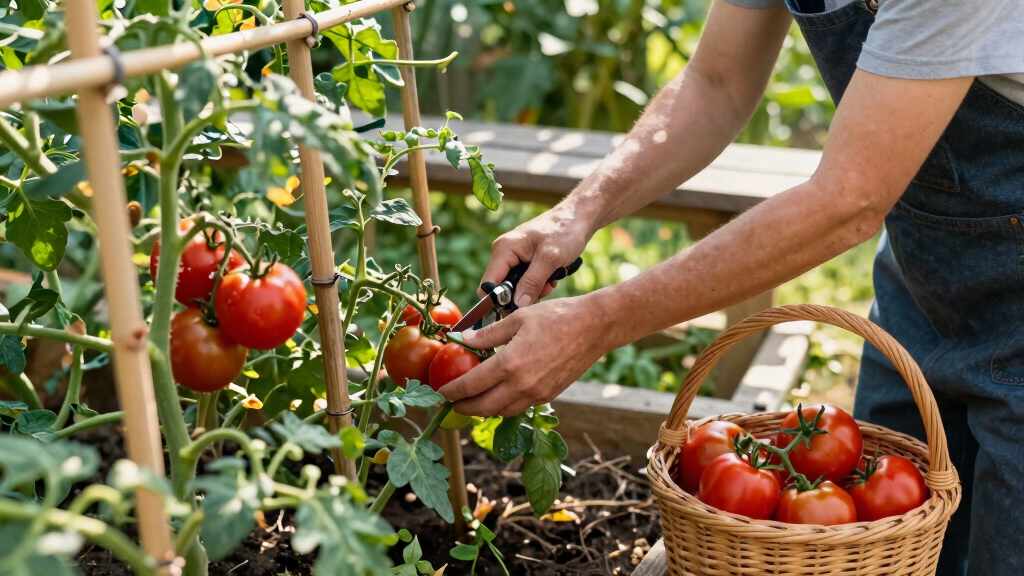
Support for vining tomato varieties is crucial once plants reach about 10-12 inches, using soft ties or garden twine to prevent flopping and promote airflow, as advised by Halina Shamshur, a gardening expert from Plantum. Regular removal of side shoots, or suckers, directs energy into fruit production and reduces disease risk, with careful pruning recommended using clean tools.
Feeding plants with high-potassium and phosphorus fertilizers during flowering encourages fruit development, but nitrogen should be avoided to prevent excessive foliage. Watering should be consistent, keeping soil moist but not waterlogged, especially during hot weather, and watering at the base helps prevent fungal diseases. Finally, protecting plants from heatwaves by shading or mulching is vital, as extreme temperatures can stress tomato plants and reduce yields.
Why June Care Is Critical for Tomato Success
Performing these five tasks in June directly impacts the quantity and quality of tomatoes produced. Proper support, pruning, feeding, watering, and heat protection help prevent diseases, promote healthy growth, and maximize fruit yield, making early summer care essential for a successful harvest.
As an affiliate, we earn on qualifying purchases.
June Is the Peak Time for Tomato Plant Maintenance
Tomato plants are generally transplanted in late spring or early summer, and June marks a critical period for their development. Experts emphasize that timely support, pruning, and feeding are necessary to ensure plants grow robustly and produce abundant fruit. These tasks align with the plant’s natural growth stages, especially as flowering begins.
Unclear Impact of Extreme Weather on June Tasks
While experts recommend heat protection, the precise effects of heatwaves on tomato yields and the effectiveness of different shading methods remain under study. It is also unclear how climate variability will influence the timing and intensity of these recommended tasks in different regions.
Next Steps for Tomato Growers in Mid-Summer
After completing June tasks, growers should monitor plant health regularly, continue watering as needed, and watch for signs of stress or pests. As flowering and fruiting progress, additional fertilization and pest control may be necessary. Preparing for late-summer heatwaves by mulching or shading will also be important to sustain healthy plants.
Key Questions
When should I start supporting my tomato plants?
Support should begin once your tomato seedlings reach about 10-12 inches in height, using soft ties or garden twine to train the vines.
How often should I fertilize my tomato plants in June?
Fertilize once a week during flowering with a high-potassium and phosphorus fertilizer, avoiding excess nitrogen.
Can I water my tomatoes from above?
No, watering at the base of the plant is recommended to prevent fungal diseases and sunburn.
What is the best way to protect tomatoes from heatwaves?
Use shading, mulching, or temporary shade covers to shield plants from extreme temperatures during heatwaves.
Is pruning side shoots necessary for all tomato varieties?
Pruning is especially recommended for indeterminate (vining) varieties to focus energy on fruiting and improve airflow.
Source: Homes & Gardens
Halloween Picks
halloween
As an affiliate, we earn on qualifying purchases.