
TL;DR

Get garden gear delivered free with Prime
- Fast, free delivery on millions of items
- Prime Video, Amazon Music and more included
- Member-only deals all year
Gardening Know How’s report says routine sealants do not prevent decay in tree wounds and may trap moisture or interfere with natural wound response. It describes a limited exception: protecting fresh oak or elm cuts in areas where oak wilt or Dutch elm disease is a concern, following local guidance.
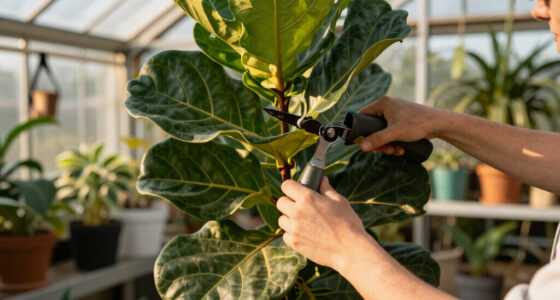
Routine tree-wound sealants are generally not recommended after pruning or storm damage, according to a Gardening Know How report citing forestry institutions and the International Society of Arboriculture. The report says dressings do not prevent decay and can interfere with a tree’s natural response, although it describes limited disease-control exceptions for certain oak and elm cuts in affected regions.
Pruning paints, tar products and other wound dressings were marketed as a way to keep pests, disease and rot out of exposed wood. But the report says controlled trials conducted by tree scientists found that routine applications did not prevent decay or provide the expected protection. It reports that some sealed wounds experienced faster rotting and greater internal structural breakdown than wounds left uncovered; it does not identify the studies or provide their methods and measurements.
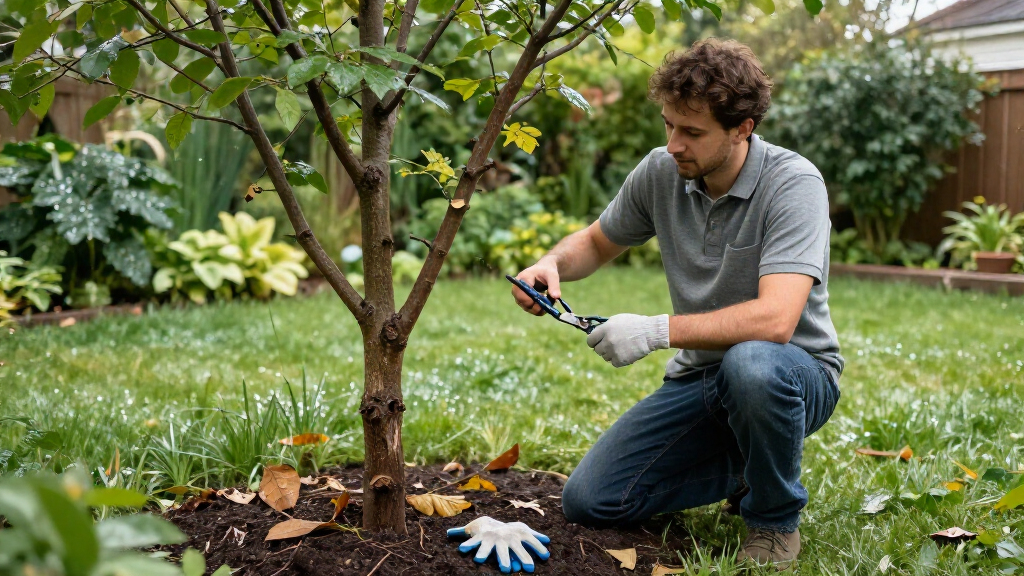
The report’s explanation is that a dressing can form a crust that cracks as a tree expands and contracts. Water may enter through those cracks and remain beneath the coating, while thick materials can cover living tissue around the wound. According to the report, that may impede the formation of callus tissue, part of a tree’s response to injury. Its general recommendation is to make clean cuts and leave them unsealed, rather than covering them with paint or tar.
The advice is not presented as absolute. The report says a sealant may be warranted on fresh cuts or storm tears on oaks and elms where oak wilt or Dutch elm disease is prevalent. In those cases, the purpose is to reduce exposure to insect vectors attracted to sap—not to make the wound heal faster. The source does not provide a product, application method or region-specific rule, so local arboriculture guidance matters.
Why Routine Coatings Can Backfire
For homeowners, the guidance can change a familiar response to broken branches: reaching for wound paint may not protect the tree and could contribute to conditions associated with decay. Avoiding an unnecessary treatment also saves time and expense. The more useful distinction is between ordinary wound care and the narrowly targeted use of a barrier to address a known, locally present disease threat.
That distinction matters because oak wilt and Dutch elm disease can spread through insect activity, and the report links fresh cuts in susceptible trees to sap that may attract beetles. A blanket rule to seal every cut could be misleading, but so could treating every wound alike. Tree species, local disease risk and the circumstances of the damage should guide decisions; the source does not suggest that sealant replaces sound pruning or professional assessment.
Products Worth Considering

LG 85-Inch QNED84B Mini LED 4K Smart TV (2026)

LG 85-Inch QNED73B Mini LED 4K Smart TV (2026)

Dyson Ball Animal 3 Upright Vacuum
As an affiliate, we earn on qualifying purchases.
From Tree Bandages to Arborist Guidance
The practice grew from an intuitive comparison between human injuries and tree damage: people clean and cover cuts, so gardeners assumed trees needed a protective covering too. The report says petroleum-based asphalt paints and tar compounds were marketed during the early 20th century as healing aids. That analogy does not account for how trees respond to wounds, which differs from human skin healing.
According to Gardening Know How, arborists and tree scientists challenged routine wound dressing by the late 20th century, and forestry institutions and the International Society of Arboriculture now advise against applying paints and sealants as a general practice. The report offers that broad guidance while noting pest-related exceptions for oaks and elms. It does not link to the underlying trials or quote a specific ISA statement, so those details cannot be independently assessed from the supplied material.
““clean, unsealed tree cuts heal best on their own.””
— Gardening Know How report
Local Disease Risk Still Matters
The supplied report does not identify the controlled trials it describes, their sample sizes or the tree species tested, and it gives no data with which to compare outcomes. Its stated guidance is clear at a general level, but the precise circumstances for using a dressing are not fully specified. It mentions oak wilt and Dutch elm disease without naming affected regions or explaining how readers can determine whether either disease is present locally.
It is also unclear from the source whether local rules or current disease-control recommendations differ by jurisdiction. The report does not provide detailed instructions for pruning damaged trees, nor does it address every kind of tree injury. Readers should not infer that a sealant is appropriate for all oaks or elms, or that leaving a wound exposed is a substitute for removing a hazardous limb safely.
Check Local Advice Before Treating
For an ordinary pruning cut, the report’s advice is to leave the wound unsealed. When an oak or elm is cut or torn in an area affected by oak wilt or Dutch elm disease, homeowners should check current recommendations from their local forestry service, extension office or qualified arborist before applying a product. If storm damage leaves a large, unstable or hazardous limb, seek professional help rather than attempting risky work. The source gives no announced policy change or follow-up milestone; the practical next step is to match treatment to the tree and local disease conditions.
Key Questions
Should I put pruning paint on a freshly cut branch?
Generally, no. The report says routine wound paint or sealant does not prevent decay and may interfere with the tree’s natural response. It recommends leaving ordinary cuts unsealed.
Can sealant make a tree wound rot faster?
The report says some trials found sealed wounds rotted faster and had more internal structural breakdown than uncovered wounds. It does not provide study details or measurements, so those findings should be understood as claims reported by the source.
Are there exceptions for oak or elm trees?
The report describes a limited exception for fresh cuts or storm tears on oaks and elms in areas where oak wilt or Dutch elm disease is prevalent. It says a dressing may act as a barrier against insect vectors, not as a way to speed healing. Check local guidance before treating.
What should I do after storm damage?
For ordinary damage, the report advises against sealing the wound. If a limb is large, unstable or out of reach, contact a qualified arborist; the article does not provide instructions for hazardous pruning.
Source: gardeningknowhow.com