
To detect leaks around infinity edges, start by monitoring water levels for persistent drops, especially during consistent weather conditions. Perform visual inspections for cracks, erosion, or grout issues, and use dye tests near suspect areas to see if dye moves toward cracks or gaps. Check your circulation system for unusual water loss. If you want to find out more effective techniques and tips, keep exploring how professional detection methods can help protect your pool.
Key Takeaways
- Regularly monitor water levels for unexplained drops indicating potential leaks near the infinity edge.
- Conduct visual inspections for cracks, erosion, or damage in coping and surrounding structures.
- Use dye testing around the edge to identify leaks entering cracks or grout lines.
- Check plumbing connections and return jets for signs of leaks or moisture buildup.
- Consider professional leak detection services for precise pinpointing of hidden leaks around the infinity edge.

Detecting leaks around infinity edges can be challenging because the water flows seamlessly over the edge, making it hard to identify where leaks originate. When dealing with an infinity pool, understanding the nuances of pool maintenance becomes essential, especially since water chemistry plays a significant role in maintaining the integrity of the structure. Small leaks can quickly escalate into major issues if not spotted early, so you need to pay close attention to signs that something’s amiss.
One of the first steps in leak detection is observing your pool’s water level. With an infinity edge, it’s normal for water to fluctuate slightly due to evaporation or splash-out, but a consistent drop indicates a potential leak. To accurately monitor this, you should regularly measure water levels and compare them under similar weather conditions. If you notice a persistent decline, it’s time to investigate further. Adjustments in water chemistry, such as pH and chlorine levels, shouldn’t be overlooked, as imbalances can cause material deterioration or encourage algae growth, both of which can mask or mimic leak symptoms.
Regularly monitor water levels and compare measurements to detect potential leaks early.
When inspecting for leaks, pay attention to the area around the infinity edge. Look for cracks, gaps, or erosion in the coping and surrounding structure. Sometimes, small fissures in the tile or grout can allow water to escape unnoticed. Maintaining proper pool chemistry helps prevent these issues by reducing corrosive effects on the pool’s surfaces. Regularly balancing chemicals not only keeps your water safe and clear but also preserves the structural integrity of the infinity edge components. Additionally, understanding pool leak detection techniques can greatly improve your chances of locating the source quickly and efficiently.
Testing methods such as the dye test can be useful in pinpointing leaks without draining the entire pool. You can carefully introduce a dye near suspected areas—like the coping or the edge itself—and watch for movement toward cracks or gaps. If the dye is drawn away from the edge, it indicates a leak nearby. Also, considering the circulation system is essential; sometimes, leaks aren’t in the edge but in the plumbing or return jets that feed water over the infinity edge.
In some cases, professional leak detection services might be necessary, especially if DIY methods don’t yield results. They utilize specialized equipment to locate leaks precisely, saving you time and effort. Remember, keeping a close eye on water levels, maintaining proper water chemistry, and routinely inspecting the structure can help you catch leaks early. This proactive approach not only preserves the beauty and functionality of your infinity pool but also prevents costly repairs down the line.
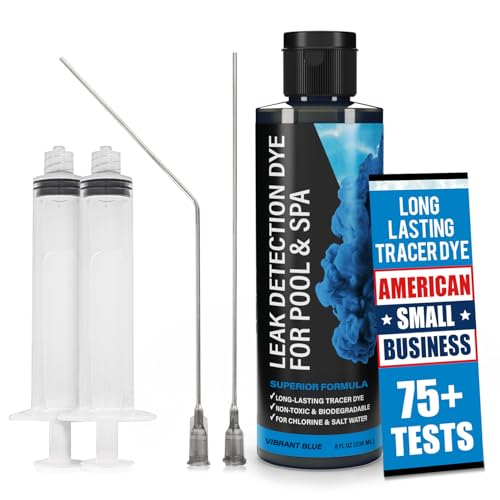
Escentile Pool Leak Detection Dye Kit – with 2 Precision Applicators – 75+ Tests – Superior Long Lasting UV Pool Dye Easily Locates Leaks – for All Pool, Spa, & Hot Tub Types – 8 OZ (Vibrant Blue)
Easily Identify & Locate Leaks – 75+ tests per kit! This pool leak detection kit delivers a High-Contrast…
As an affiliate, we earn on qualifying purchases.
As an affiliate, we earn on qualifying purchases.
Frequently Asked Questions
Can Leaks in Infinity Edges Cause Structural Damage?
Yes, leaks in infinity edges can cause structural damage if left unchecked. Water infiltration can weaken the pool’s structural integrity, leading to cracks or even collapse over time. Regular maintenance scheduling helps you catch leaks early, preventing costly repairs. By staying vigilant and addressing leaks promptly, you safeguard your pool’s foundation and ensure its longevity, keeping your infinity edge safe and beautiful for years to come.
What Are the Signs of Hidden Leaks Around Infinity Edges?
You might notice visual clues like water discoloration or unexpected damp spots around your infinity edge. These signs often indicate hidden leaks, which can be tricky to detect. Keep an eye out for changes in water levels or increased evaporation rates, as they can also signal leaks beneath the surface. Addressing these visual clues promptly helps prevent further damage and keeps your pool and surrounding area in top shape.
How Often Should Leak Detection Inspections Be Performed?
To keep your infinity edge pool in top shape, you should schedule leak detection inspections every 6 to 12 months. Regular inspection frequency helps catch any subtle signs early, making maintenance scheduling easier and more effective. By staying proactive, you prevent potential issues from turning into costly repairs, ensuring your pool remains beautiful and functional for years to come. Consistent inspections are your best safeguard for peace of mind.
Are There DIY Methods to Detect Leaks in Infinity Edges?
Yes, you can perform DIY leak detection on infinity edges by doing a visual inspection for any cracks, water pooling, or discoloration near the edge. Additionally, dye testing is effective—simply add non-toxic dye to the water and watch for color changes around the edge, indicating leaks. Regularly checking these signs helps catch issues early, saving you costly repairs and maintaining your pool’s beauty.
What Advanced Technologies Are Used for Leak Detection in Infinity Edges?
Imagine catching tiny issues before they become big problems. You can use advanced tech like smart sensors, which monitor water levels and detect subtle changes, and infrared thermography, revealing hidden leaks through temperature differences. These tools provide precise, real-time insights, helping you maintain your infinity edge’s beauty and function. By leveraging these innovations, you safeguard your investment effortlessly and ensure your pool stays stunning for years to come.

AC Infinity Water Detection Sensor Exclusively for AI Controllers, Monitor Presence of Water in Gardens, Grow Tents, Grow Spaces, Suction and Magnetic Mounting, IP68 Seal Protection
A sensor designed specifically for AC Infinity AI Controllers to monitor the presence or absence of water.
As an affiliate, we earn on qualifying purchases.
As an affiliate, we earn on qualifying purchases.
Conclusion
In the end, your attention to detail and proper leak detection around infinity edges can prevent costly damage. It’s no coincidence that small issues often lead to bigger problems if ignored. When you stay vigilant and regularly inspect these edges, you catch leaks early—saving time, money, and stress. After all, the tiniest leak can be the start of something much bigger. Trust your instincts and double-check—sometimes, the smallest signs reveal the biggest secrets.

AQUABOND Pool Crack Repair Kit | Gunite, Fiberglass, and Concrete Pool Repair Putty | Polyurethane Sealant for Cracks & Leaks | Easy DIY | Polyurethane Foam Concrete Crack Filler | DMK – 377
MARINE-GRADE QUALITY: Crafted with the highest quality standards, the AQUABOND Pool Crack Repair Kit is trusted by pool…
As an affiliate, we earn on qualifying purchases.
As an affiliate, we earn on qualifying purchases.

Pool Leak. Pool Plumbing Pressure Tester. Pool Leak Detector. Swimming Pool Leak Detector. Pool Pressure. Pool Pressure Test. Pool Test.
As an affiliate, we earn on qualifying purchases.
As an affiliate, we earn on qualifying purchases.