When building an infinity pool, it’s vital to assess your soil type and stability first. You need to evaluate load-bearing capacity and consider soil stabilization methods like chemical or mechanical support to prevent shifting. Proper drainage and water management are key to avoiding erosion, especially in variable climates. Selecting the right foundation system and preparing the site carefully help guarantee safety. Stay informed about how soil conditions impact long-term durability—they’re indispensable for a successful build.
Key Takeaways
- Conduct thorough soil testing to assess bearing capacity, stability, and drainage, ensuring suitable foundation design.
- Choose appropriate foundation types—such as deep piles or caissons—based on soil conditions and load requirements.
- Implement soil stabilization and reinforcement techniques to improve soil strength and prevent shifting or settlement.
- Design effective drainage and water management systems to mitigate erosion, water pressure, and freeze-thaw effects.
- Engage geotechnical experts for site evaluation, risk assessment, and compliance with safety and building regulations.

Midtown Umbrellas - 10-Year-No-Fade 9 Ft Patio Umbrella with Terylast Fabric, Auto-Tilt Aluminum Frame and 8 Reinforced Ribs for Deck, Pool, Garden & Beach - Ebony Black Canopy, Black Pole
10-YEAR-NO-FADE PATIO UMBRELLA – Built with solution-dyed Terylast fabric and a UV-resistant canopy, engineered to outperform standard polyester...
As an affiliate, we earn on qualifying purchases.
Assessing Soil Types and Composition

Before constructing an infinity pool, you need to carefully evaluate the soil types and their composition. Knowing whether your soil is sandy, clayey, or loamy helps determine how well it can support the structure. Sandy soils drain quickly but may lack stability, while clay soils tend to hold water and can expand or contract, affecting the pool’s foundation. Loamy soils offer a balanced mix, generally providing better support. Conducting a soil test is essential to identify the soil’s properties accurately. You’ll want to analyze factors such as porosity, moisture content, and compaction levels. Understanding these aspects allows you to plan appropriate reinforcement and foundation strategies, ensuring your infinity pool remains stable and safe over time. Proper assessment minimizes future risks and structural issues. Additionally, considering the soil’s stability and how it interacts with water retention is crucial for long-term durability.

Midtown Umbrellas The Wooden 9 Feet Patio Umbrella With Sunbrella Antique Beige Acrylic Fabric - Aluminum Frame Market Umbrella For Backyard, Deck, Garden, Pool - Wooden Pole
[ Protection ]: 10 year Protection on the Midtown Umbrella frame along with 5 year Protection on the...
As an affiliate, we earn on qualifying purchases.
Evaluating Bearing Capacity and Load Distribution

Evaluating the bearing capacity and load distribution of your soil is crucial to guarantee your infinity pool’s stability. You need to confirm your soil can support the weight without excessive settlement or failure. To do this effectively, focus on these key aspects:
Ensuring soil support is vital for your infinity pool’s long-term stability and safety.
- Bearing Capacity Tests: Conduct tests like Standard Penetration Tests (SPT) or plate load tests to determine the maximum load your soil can bear safely.
- Load Distribution Analysis: Calculate how the pool’s weight spreads across the foundation to identify potential weak points.
- Settlement Predictions: Estimate potential soil settlement over time to prevent uneven surfaces or structural issues.
Understanding these factors helps you design a foundation that evenly distributes the load, ensuring long-term stability and safety for your infinity pool.

Blissun 9' Outdoor Patio Umbrella, Outdoor Table Umbrella, Yard Umbrella, Market Umbrella with 8 Sturdy Ribs, Push Button Tilt and Crank (Navy Blue)
100% POLYESTER FABRIC -- Blissun patio umbrella is made of 100% polyester, waterproof and UV resistant, long lasting,...
As an affiliate, we earn on qualifying purchases.
Soil Stabilization Techniques for Pool Foundations
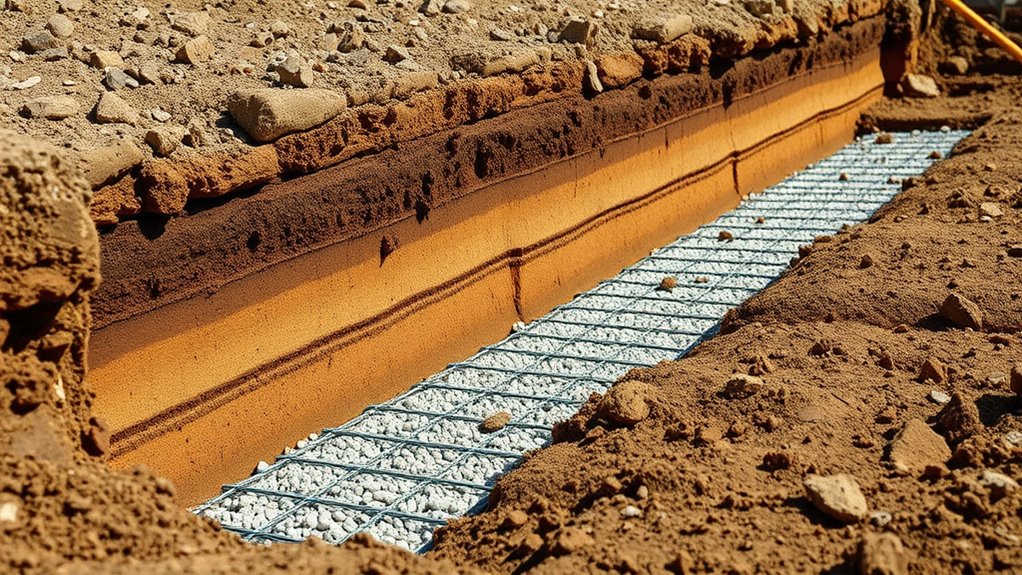
Once you’ve assessed your soil’s bearing capacity and load distribution, the next step is ensuring the foundation remains stable over time. Soil stabilization techniques are vital for achieving this. You might consider chemical stabilization, where agents like lime or cement are mixed into the soil to improve strength and reduce settlement. Compaction is another effective method, involving mechanical equipment to densify the soil, minimizing future movement. If the soil is highly compressible or expansive, geosynthetics such as geogrids or geotextiles can reinforce the ground. Additionally, soil mixing or grouting can fill voids and bind particles, enhancing stability. Employing proper color accuracy in soil treatment can optimize visual monitoring of the stabilization process. Choosing the right technique depends on your soil type and site conditions. Proper stabilization ensures your infinity pool’s foundation remains durable, preventing future shifts or damage.

Blissun 9' Outdoor Patio Umbrella, Outdoor Table Umbrella, Yard Umbrella, Market Umbrella with 8 Sturdy Ribs, Push Button Tilt and Crank (Tan)
100% POLYESTER FABRIC -- Blissun patio umbrella is made of 100% polyester, waterproof and UV resistant, long lasting,...
As an affiliate, we earn on qualifying purchases.
Drainage and Water Management Strategies
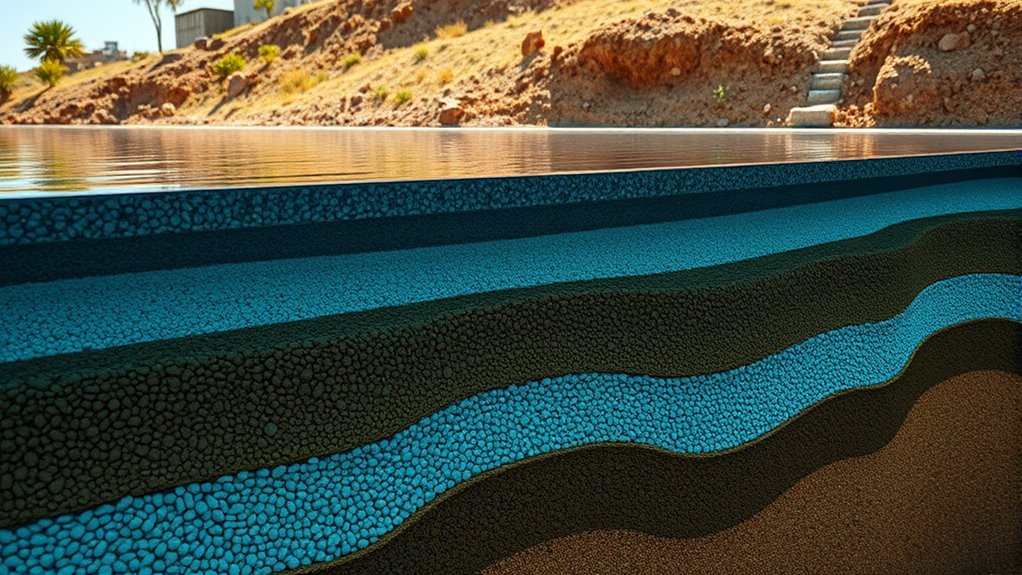
Proper drainage system design is essential to prevent water buildup and protect your pool’s foundation. Managing water retention and runoff helps maintain soil stability and reduces pressure on surrounding structures. Understanding your soil’s absorption capacity allows you to implement effective water management strategies that make certain long-term durability. Additionally, considering soil testing can provide valuable insights into your site’s specific drainage needs.
Drainage System Design
Effective drainage system design is crucial to prevent water accumulation and guarantee the stability of an infinity pool. Proper planning ensures excess water is efficiently directed away from the pool structure and surrounding soil. To achieve this, consider these key elements:
- Slope and Grading – Ensure surfaces around the pool are properly sloped to facilitate runoff toward drainage points.
- Drain Placement – Position drains strategically to intercept water before it pools or infiltrates the soil, especially near the infinity edge.
- Drainage Materials – Use permeable materials that promote water flow and prevent clogging, such as gravel or geotextile fabrics.
Water Retention Control
To maintain the stability and safety of an infinity pool, controlling water retention is essential. You should implement effective drainage solutions to prevent excess water buildup that can compromise the soil’s integrity. Installing a well-designed drainage system, such as perforated pipes or gravel beds, ensures water flows away from the pool area efficiently. Additionally, using water barriers or retaining walls can help manage surface water and reduce pressure on the soil. Regularly inspecting these systems prevents blockages and leaks. Water management strategies also include grading the surrounding terrain to direct runoff away from the pool foundation. Proper drainage design is crucial for long-term stability and safety. By actively regulating water retention, you minimize risks of soil erosion, foundation instability, and structural damage, ensuring your infinity pool remains safe and durable over time.
Soil Absorption Capacity
Understanding your soil’s absorption capacity is essential for designing water management strategies that prevent pooling and erosion around your infinity pool. If your soil absorbs water slowly, you’ll need enhanced drainage solutions to avoid water buildup. Conversely, highly absorptive soils may require erosion control measures, especially on slopes. To optimize water management, consider these strategies:
- Install French drains or gravel trenches to facilitate quick water flow away from the pool area.
- Incorporate permeable landscaping materials to improve natural drainage.
- Use soil amendments or stabilization techniques to strengthen soil structure and reduce erosion risks.
- Regularly monitor your soil’s absorption rate to adjust your drainage and stabilization methods accordingly.
Assessing your soil’s absorption rate helps you select the right combination of these strategies, ensuring long-term stability and safety around your infinity pool. Proper planning minimizes water-related issues and enhances your pool’s durability.
Effects of Climate and Weather Conditions
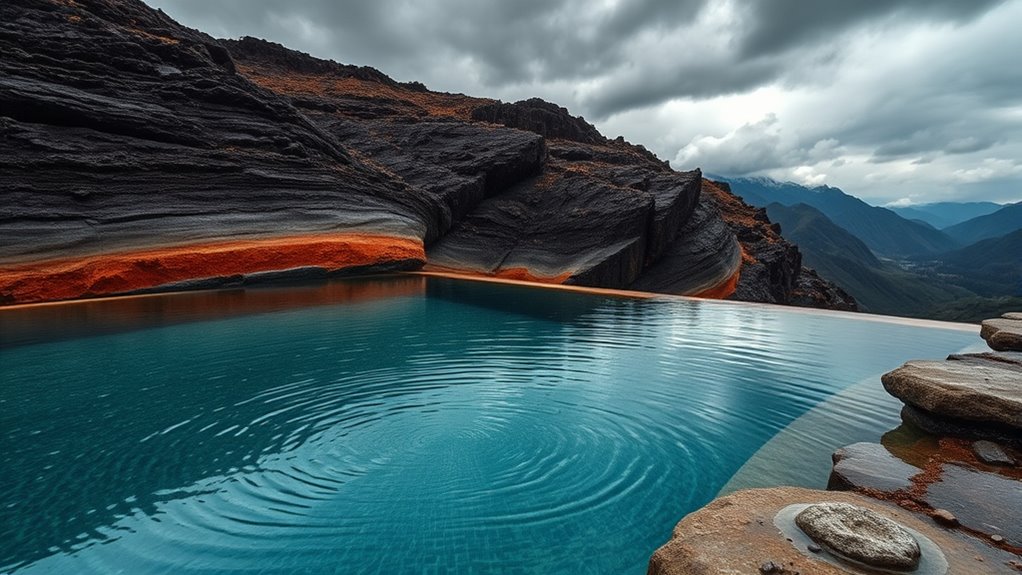
Climate and weather conditions can considerably impact the stability and longevity of an infinity pool. Heavy rainfall can lead to soil erosion or increased water table levels, which may weaken the foundation if not properly managed. Freeze-thaw cycles in colder climates cause soil expansion and contraction, risking cracks in the pool structure. High temperatures accelerate evaporation, potentially leading to water level fluctuations that stress the pool’s materials. Strong winds may cause debris to enter the pool or increase surface pressure, affecting its integrity over time. You need to take into account local climate patterns when designing your pool, ensuring proper drainage, soil stabilization, and weather-resistant materials. Addressing these factors helps prevent damage, prolongs your pool’s lifespan, and maintains its aesthetic appeal. Additionally, understanding market volatility and the risks associated with various materials can guide you in selecting durable components that withstand climate impacts over time.
Impact of Soil Settlement and Shifting

Soil settlement and shifting can compromise your pool’s stability if not properly addressed. You’ll need to think about soil stability challenges that may require specialized foundations or reinforcement. Ensuring solid support helps prevent costly repairs and long-term damage to your infinity pool.
Soil Stability Challenges
Soil settlement and shifting pose significant challenges to the stability of infinity pools, especially when the ground isn’t properly prepared. These movements can cause uneven surfaces, leading to structural stress and potential failure. To mitigate these issues, you need to understand the key factors influencing soil stability:
- Soil Composition: Loose or clay-rich soils are prone to unpredictable shifting and settlement, making them unsuitable without reinforcement.
- Moisture Content: Fluctuations in water levels can weaken soil integrity, increasing the risk of uneven settling.
- Load Distribution: Improperly distributed weight from the pool and surrounding structures can cause localized settlement or shifting.
Addressing these challenges early ensures a stable foundation, reducing risks of long-term damage and costly repairs.
Foundations and Reinforcement
When soil shifts or settles unexpectedly, the foundation of your infinity pool faces increased stress and potential failure. This movement can cause cracks, misalignment, or even structural collapse if not properly addressed. To prevent this, you need a solid foundation reinforced with appropriate materials like concrete or steel. Reinforcement techniques such as deep pilings, underpinning, and soil anchors help distribute loads evenly and accommodate minor soil movements. Proper geotechnical assessments before construction guide your choices, ensuring the foundation adapts to soil behavior. Regular inspections and maintenance are essential to detect early signs of shifting or settlement. Incorporating vetted portable foundation solutions can offer additional stability in challenging soil conditions. Investing in durable reinforcement now saves you from costly repairs or redesigns later, securing your infinity pool’s stability and safety over the long term.
Selecting Appropriate Foundation Systems

Choosing the right foundation system is essential for supporting the weight and stability of an infinity pool, especially given the unique demands of such structures. Your choice depends on soil conditions, load requirements, and the pool’s design. To guarantee safety and longevity, consider these options:
- Concrete Slab Foundations: Ideal for stable soils, providing a flat, durable base that distributes weight evenly.
- Deep Pile Foundations: Suitable for weak or variable soils, transmitting load to deeper, more stable strata.
- Caisson Foundations: Effective in waterlogged or highly compressible soils, offering stability through large, watertight shafts.
- When designing your foundation, consulting with a geotechnical engineer can help identify the most suitable system based on detailed soil analysis.
Site Preparation and Excavation Considerations

Proper site preparation and excavation are crucial steps to guarantee your infinity pool’s stability and longevity. Start by thoroughly evaluating the soil conditions to determine the appropriate excavation depth and support requirements. Clear the site of vegetation, debris, and loose material to create a stable working surface. Use precise measurements and level the ground to ensure an even foundation. Excavate carefully, following your design specifications, to prevent over-excavation or undercutting. Proper shoring or bracing may be necessary to prevent soil collapse during excavation. Ensure that drainage pathways are incorporated to divert water away from the pool area. By meticulously preparing the site, you set the stage for a secure, durable infinity pool that performs reliably over time. Incorporate soil and geotech considerations to address potential challenges and enhance long-term stability.
Monitoring and Maintaining Soil Integrity

You need to regularly test your soil to catch shifting conditions early. Check your drainage systems often to prevent water buildup that can weaken the soil. Implement stabilization methods as needed to keep the ground firm and support your infinity pool’s structure.
Regular Soil Testing
Regular soil testing is essential for maintaining the stability of an infinity pool, as it helps identify potential issues before they become costly problems. By testing soil periodically, you can catch signs of shifting, erosion, or compaction early. This proactive approach guarantees your pool remains secure and functional over time.
Consider these key aspects:
- Sampling frequency: Test soil at least once a year or after significant weather events to monitor changes.
- Testing parameters: Focus on compaction, moisture content, and pH levels, which influence soil strength.
- Interpreting results: Use expert analysis to determine if soil conditions require reinforcement or adjustments to your pool’s structure.
Staying vigilant with regular testing protects your investment and maintains long-term stability.
Drainage System Checks
Monitoring and maintaining the drainage system is essential for preserving soil stability around your infinity pool. Regularly inspect pipes and drains for blockages, leaks, or signs of wear. Guarantee that water flows freely and efficiently away from the pool area to prevent water buildup, which can weaken soil and cause shifting. Check for pooling or erosion near drainage outlets after heavy rain or irrigation. Clear debris and repair any damaged components promptly. Keep an eye on drainage performance during seasonal changes, adjusting as needed to accommodate weather patterns. Proper drainage management reduces hydrostatic pressure on the surrounding soil and prevents potential structural issues. Regularly replacing or cleaning filters and components helps maintain optimal functionality and ensures effective removal of airborne pollutants, which contributes to the overall health of the soil and environment. Consistent checks help maintain soil integrity, ensuring your infinity pool remains safe, stable, and visually stunning.
Soil Stabilization Methods
Maintaining soil stability around your infinity pool requires effective stabilization methods that guarantee long-term integrity. Proper soil stabilization prevents settlement, cracks, and shifting that could compromise your pool’s structure. To achieve this, consider these key methods:
- Geosynthetic Reinforcement – Installing geogrids or geotextiles strengthens soil layers, distributing loads evenly.
- Soil Grouting – Injecting cement or chemical grouts stabilizes loose or porous soils, reducing movement.
- Vegetation and Root Reinforcement – Planting deep-rooted vegetation helps bind soil particles together, providing natural stability.
Implementing these strategies ensures your pool remains secure, even under changing environmental conditions. Regular monitoring and maintenance keep soil conditions ideal, extending the lifespan of your infinity pool.
Collaborating With Geotechnical Experts

Collaborating with geotechnical experts is essential to guarantee your infinity pool is built on a stable foundation. These specialists analyze soil properties, assess load-bearing capacity, and identify potential issues like settlement or liquefaction. Their expertise ensures that your design accounts for soil conditions, preventing costly problems down the line. By working closely with geotechnical engineers early in the planning process, you can select appropriate foundation types and stabilization methods tailored to your site. They also recommend necessary soil improvements or reinforcement strategies. This collaboration reduces risks, enhances safety, and ensures compliance with local regulations. Ultimately, partnering with these experts gives you confidence that your infinity pool will be secure, durable, and capable of withstanding environmental stresses over time.
Frequently Asked Questions
How Long Does Soil Stabilization Typically Take Before Pool Construction?
Soil stabilization usually takes anywhere from a few days to a couple of weeks, depending on your site’s conditions. You’ll want to work closely with geotechnical engineers to determine the exact timeline. They’ll assess soil type, moisture levels, and stability requirements. Once the stabilization process begins, it’s important to wait until the soil has reached adequate strength before starting pool construction, ensuring a solid foundation and long-term durability.
What Are Signs of Soil Movement After Pool Installation?
Signs of soil movement after pool installation include visible cracks, uneven surfaces, and shifting pool edges. You might notice water levels fluctuating unexpectedly or the deck settling unevenly. If you observe these symptoms, it’s vital to act quickly. Promptly contact a professional to assess the situation, prevent further damage, and guarantee safety. Ignoring signs of soil movement could lead to costly repairs or pool failure.
Can Existing Soil Conditions Limit Infinity Pool Design Options?
Yes, existing soil conditions can limit your infinity pool design options. If the soil is unstable, expansive, or prone to shifting, you’ll need to modify your plans to guarantee safety and longevity. You might have to choose a different location, reinforce the foundation, or opt for a design that accommodates ground movement. Consulting with geotechnical experts helps you make informed decisions that prevent future issues.
How Does Underground Water Affect Soil Stability for Pools?
Underground water can subtly influence your soil’s stability, making it more prone to shifting or settling over time. If water levels fluctuate, they might create pressure that weakens the soil or causes minor movement, impacting your pool’s structure. To safeguard your investment, it is crucial to assess water sources carefully and consider drainage solutions. Proper planning helps ensure your infinity pool remains a stunning, stable feature for years to come.
What Are the Costs Associated With Soil-Related Geotechnical Assessments?
You can expect geotechnical assessments to cost between $1,500 and $5,000, depending on the site’s complexity and size. These evaluations involve soil testing, boreholes, and engineering reports to guarantee stability. Additional expenses might include site preparation or specialized drilling. Investing in thorough assessments helps prevent costly future repairs or safety issues, so consider it a crucial step before installing your infinity pool.
Conclusion
Remember, your infinity pool is more than just a stunning feature—it’s a reflection of your entire landscape’s health. By carefully understanding the soil beneath and working closely with experts, you’re planting the roots for lasting beauty and stability. With proper care and attention, your pool will stand as a symbol of harmony between nature and design—an eternal echo of balance, resilience, and your vision’s boundless horizon.