
TL;DR

Get garden gear delivered free with Prime
- Fast, free delivery on millions of items
- Prime Video, Amazon Music and more included
- Member-only deals all year
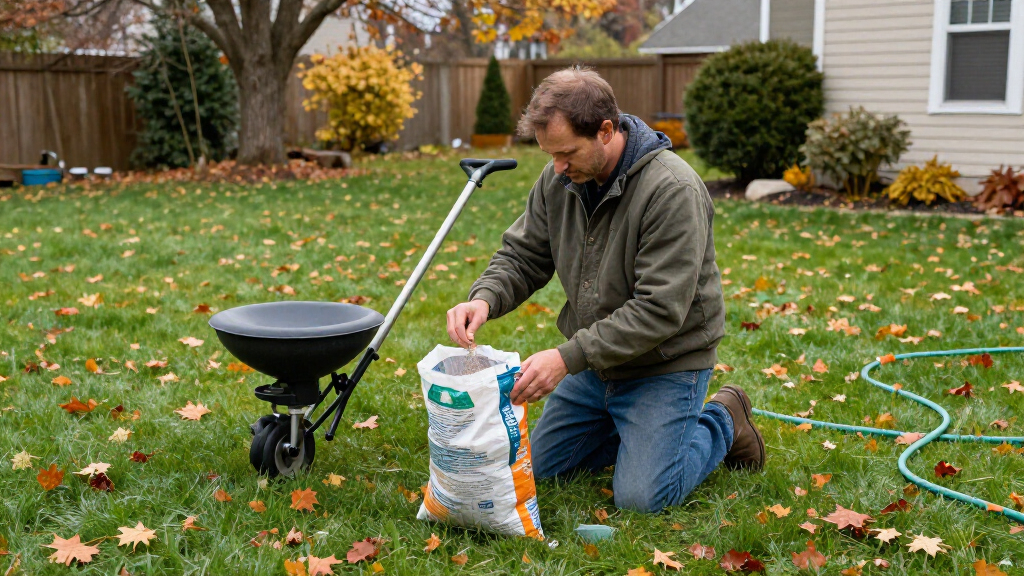
A Homes & Gardens report says the key step in fall lawn fertilizing is watering the product into the soil, not choosing a particular feed. Rain or a sprinkler can help activate fertilizer and reduce the risk of grass-blade damage from dry granules. The right amount and timing depend on the product label, local weather and sprinkler output.
A Homes & Gardens report on fall lawn fertilizing says the most important step may be watering the feed into the soil, rather than choosing a particular fertilizer. Water helps move granular product off grass blades and toward the roots, where nutrients are needed, while dry granules left on the blades can damage turf.
The report says lawns can face stress after a hot, dry summer and that fall feeding is intended to support recovery as grass shifts energy from top growth toward its roots. It describes stronger roots as useful preparation for winter conditions and for growth in the following spring. Those benefits depend on applying a product appropriately; the report does not establish that every lawn needs fertilizer in fall.
Chris McIlroy, technical product lead and in-house lawn seed expert at The Grass People, advises watering granular fertilizer off the blades to reduce the risk of scorching. The report says dry synthetic granules can begin causing damage within 24 to 48 hours if they are not watered in. Possible symptoms include yellow or brown patches, and severe damage may leave bare areas that need repair.
Water also activates fertilizer and helps carry nutrients into the root zone, according to the report. It suggests applying feed before forecast rain, with about an inch of rain as a planning guide, or using a sprinkler when rain is not expected. For sprinkler watering, the article gives 30 to 60 minutes as a possible duration but recommends checking actual output with a shallow container, such as a tuna can, because sprinklers differ.
Watering Reduces Fertilizer Risk
For homeowners, the guidance shifts attention from product choice to application and watering. Fertilizer left sitting on grass blades can cause localized damage, while feed that is not carried into the soil may not reach the roots as intended. Watering after application is therefore presented as a practical step that can protect existing turf and help avoid wasting product.
The advice also has a resource consideration: using forecast rainfall may reduce the need to run sprinklers, while measuring sprinkler output can help prevent overwatering. The report offers general timing and water-volume pointers, not a guarantee of results; local conditions and the fertilizer’s own instructions still matter.
As an affiliate, we earn on qualifying purchases.
Why Fall Feeding Is Different
The article describes fall as a period when grass growth above ground slows and plants direct more energy toward root development. Feeding at this time is presented as one way to support turf after summer stress and prepare it for winter. Theresa Smith, senior vice president of NaturaLawn of America, says lawns fertilized in fall may green up faster in spring because of stored carbohydrates; this is an attributed expert claim, not a measured result supplied in the report.
Before applying fertilizer, the source recommends considering scarification and aeration. Removing thatch can help moisture reach the soil, while aeration can help water and nutrients penetrate compacted ground. The article says these steps may improve effectiveness but are not prerequisites for fertilizing. It also advises following the product’s recommended application rate.
“To prevent grass blade burn or scorching after applying any lawn feed, it is really important to water off granular fertilizer from the grass blades to avoid damaging the existing grass.”
— Chris McIlroy, technical product lead and in-house lawn seed expert at The Grass People
Local Conditions Shape the Advice
The report does not identify a specific fertilizer as best for every lawn, nor does it provide controlled evidence comparing fall feeding with no feeding. It also does not give a single watering duration that will work for all sprinkler systems: its 30-to-60-minute estimate is paired with advice to measure output. Rainfall, soil, grass type and product formulation can affect what is appropriate.
The source’s claim that dry synthetic granules may cause damage within 24 to 48 hours is not accompanied by details about the conditions or products tested. Readers should check the fertilizer label for application and watering instructions and avoid treating the article’s general suggestions as a substitute for those directions.
Check the Forecast and Label
Before applying fall feed, homeowners can check the local forecast, select a suitable day and read the product label for the correct rate and watering directions. If rain is expected, the report suggests applying fertilizer beforehand; if not, a sprinkler can be used, with a container on the lawn to measure how much water reaches the ground.
Whether a particular lawn needs feeding, and how much water it requires, remains dependent on its condition and the product used. The source offers seasonal lawn-care guidance rather than a new study or a universal prescription.
Key Questions
What is the main advice for fall lawn fertilizer?
Water granular fertilizer into the soil after application so it does not remain on grass blades and can reach the root zone. Follow the product label for specific instructions.
Can rain water in lawn fertilizer?
Yes. The report recommends timing application before forecast rain where possible, using local forecasts to judge whether enough rain is expected. It gives about an inch of rain as a planning guide, not a guarantee for every lawn or product.
How long should I run a sprinkler after fertilizing?
The report suggests 30 to 60 minutes when rain is not expected, but sprinkler output varies. Place a shallow container on the lawn to measure the water collected, and follow the fertilizer label.
Can dry fertilizer damage grass?
According to the report, granular fertilizer left dry on grass blades can dehydrate plant tissue and cause yellow or brown patches. It says synthetic granules may start causing damage within 24 to 48 hours if not watered in.
Do I need to aerate before fertilizing?
No. The report says aeration is not required immediately beforehand, though compacted soil can limit how efficiently water and nutrients reach roots. Aeration and thatch removal may help, depending on the lawn’s condition.
Source: rss
Fall yard work Picks
leaf blowers
As an affiliate, we earn on qualifying purchases.