
TL;DR
Homes & Gardens’ November gardening report identifies light, temperature and watering as three priorities for citrus trees moved indoors for winter. It recommends bright light, stable conditions around 55°F to 65°F, and watering only after the top few inches of soil dry.
Homes & Gardens has published November guidance for people bringing potted citrus trees indoors for winter, identifying light, temperature and watering as the main care factors. The advice matters because indoor conditions differ from summer conditions outside, and the report says insufficient light, temperature swings and excess water can stress trees and contribute to leaf loss.

Get garden gear delivered free with Prime
- Fast, free delivery on millions of items
- Prime Video, Amazon Music and more included
- Member-only deals all year
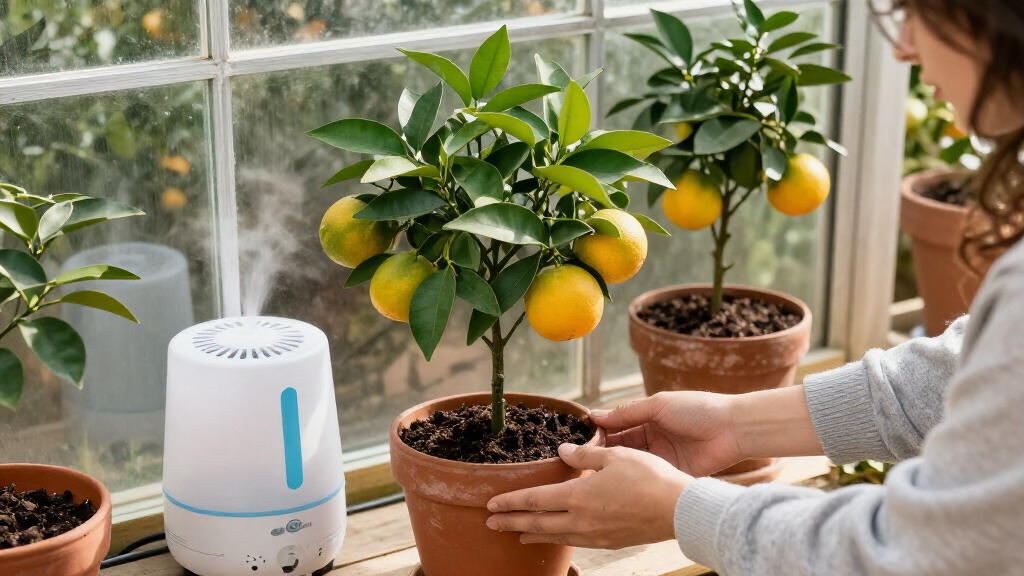
The report recommends placing citrus trees, including lemons, limes, oranges and kumquats, in the brightest available indoor location. Suggested spots include a greenhouse, sunroom, conservatory or bright south-facing window. It says citrus trees need 8 to 12 hours of sunlight a day in winter; where natural light falls short, a full-spectrum LED grow light can supplement it. Shane Pliska, CEO of Planterra Interior Landscaping, recommends positioning a grow light above the canopy and starting with about 12 hours a day on a timer.
For temperature, the article advises bringing trees inside when nighttime temperatures consistently fall below 50°F, while acclimating them gradually rather than moving them abruptly from outdoors to a warmer room. It gives 55°F to 65°F as a suitable winter range and cautions against placing trees near radiators, heating ducts or air conditioners, where conditions may fluctuate or air may be dry. Misting foliage or setting smaller pots on a moist pebble tray are offered as ways to raise humidity.
Indoor citrus needs less water during winter, according to the report. Check the soil about two or three inches below the surface and water when it feels dry, not while it is still moist. The container should drain freely and be raised off the ground if needed. The article says winter feeding can be reduced to once a month or paused, with regular fertilizing resumed in spring when longer days and fresh growth appear.
Winter Care Can Limit Tree Stress
The recommendations address the change in growing conditions that comes when a container tree moves indoors. Shorter days reduce available light, while indoor heating can create dry air and uneven temperatures. At the same time, a tree that grows less actively in winter generally needs less water and fertilizer, the report says.
Getting these basics right may help reduce the risk of yellowing or dropped leaves, weak growth and waterlogged roots. The article presents the steps as ways to support tree health through winter, not as a guarantee of flowers or fruit next year; fruiting also depends on factors beyond the guidance provided.
Products Worth Considering

Shark Pet Cordless Stick Vacuum, Up to 40-Minute Runtime, Lightweight, IX141

Ring Alarm 5-Piece Home Security Kit

Philips Hue Amarant Outdoor Smart Light Bar, Black
As an affiliate, we earn on qualifying purchases.
Why Citrus Trees Move Indoors
Potted citrus is often brought indoors in cold climates to protect it from damaging frost. The Homes & Gardens report focuses on care after that move, when a tree must adjust to indoor light, temperature and watering conditions. It says beginning winter care early can help avoid putting the plant under additional stress.
The report draws on the writer’s experience caring for citrus trees as a professional gardener and includes advice from Shane Pliska of Planterra on grow lights and when to resume regular feeding. The source offers practical gardening guidance, rather than reporting on a new study or formal horticultural trial.
“Even in a good window, a grow light can help make up for short winter days.”
— Shane Pliska, CEO of Planterra Interior Landscaping, as quoted by Homes & Gardens
Care Needs Vary by Home and Tree
The guidance gives general targets, but it does not specify how light needs vary by citrus variety, tree size, window exposure or local winter conditions. The 8-to-12-hour light range and grow-light schedule should be read as recommendations from the report, not as a guarantee of fruit production. It also does not provide a specific humidity target or a fixed watering frequency; the suggested approach is to check soil moisture and respond to what the tree needs.
The source does not describe a controlled test or quantify how much these steps change the likelihood or amount of next year’s fruit. It is also not clear from the article whether every tree should be kept within the same temperature range, particularly if its indoor conditions differ. Readers should treat leaf drop as a possible stress symptom, not proof of one particular cause.
Watch for Growth as Days Lengthen
During winter, the report advises maintaining steady temperatures, providing as much suitable light as possible and checking soil before watering. As days lengthen, owners can look for fresh growth and increase feeding toward a regular schedule, following the fertilizer product’s directions.
There is no later announcement or follow-up milestone in the source. The next practical step is to monitor each tree’s response and adjust care to its indoor conditions; the report does not give a date for moving trees back outside or promise a particular harvest.
Key Questions
How much light does an indoor citrus tree need in winter?
The Homes & Gardens report recommends 8 to 12 hours of sunlight daily. If a bright window does not provide enough light, it says a full-spectrum LED grow light may help.
What temperature is recommended for indoor citrus trees?
The report gives 55°F to 65°F as a suitable winter range and advises avoiding abrupt temperature changes and positions near heating or air-conditioning vents.
How often should I water citrus indoors?
The source does not set a weekly schedule. Check the soil two or three inches down and water when it feels dry; if it remains moist, check again in a couple of days.
Should I fertilize a citrus tree during winter?
The report says feeding can be reduced to once a month or paused over winter. It advises returning to regular feeding in spring when days lengthen and new growth appears.
When should I bring a potted citrus tree indoors?
The article recommends preparing to bring it inside when nighttime temperatures consistently fall below 50°F, while moving it gradually to limit stress.
Source: homesandgardens.com