
TL;DR
A report published by Amateur Gardening on November 27 says prolonged drought and hot conditions have stunted Christmas tree growth in the UK and Europe. Growers cited in the report say taller trees may be harder to find, while one UK farm reported that a quarter of its spring plantings died. The scale of the effect across the industry is not clear.
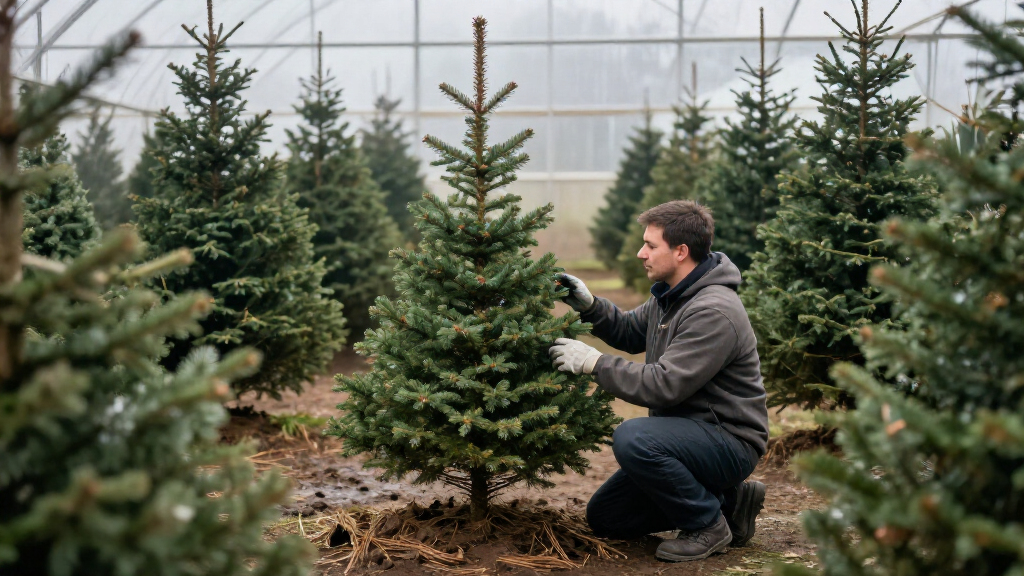
Prolonged drought and hot conditions are stunting the growth of some Christmas trees in the UK and Europe, with taller specimens expected to be in shorter supply this year, according to a report published November 27 by Amateur Gardening. The report says some trees that might typically reach seven to nine feet are closer to six feet, and cites a grower who said a quarter of her farm’s spring plantings had died.

Get garden gear delivered free with Prime
- Fast, free delivery on millions of items
- Prime Video, Amazon Music and more included
- Member-only deals all year
The report, written by gardening journalist Helen Cross, links smaller and less bushy trees to environmental stress during important growing periods. It says record-breaking temperatures, prolonged dry spells and low rainfall have affected growth. These conditions may also contribute to growers having fewer tall trees available, although the report does not provide national supply figures or a survey of growers.
Rachel Kirk of Costock Christmas Trees told the publication that one quarter of the farm’s spring plantings had died. The report says a tree can take about 10 years to grow to seven feet, meaning stress affecting young trees could have effects beyond a single holiday season. It does not specify how many trees were planted at the farm or the period over which the losses occurred.
The British Christmas Tree Growers Association is cited as saying that most farms lack efficient irrigation to manage hotter, drier summers. The report describes growers who added Christmas trees to traditional farms as having limited infrastructure to respond to changing conditions. It offers no data quantifying how widespread that infrastructure gap is or how much of this year’s crop has been affected.
How Drought Could Change Tree Supply
For shoppers, the reported effect is chiefly about size and availability: people seeking a particularly tall real tree may have fewer options or need to shop earlier. The report does not establish that all UK trees will be smaller, nor does it give prices or estimate any change in overall supply. Local availability will depend on individual farms and their harvests.
For growers, the concern reaches beyond this Christmas. Since marketable trees take years to mature, losses among young plantings or slower growth can affect future harvests as well. The account points to irrigation and farm infrastructure as possible limits on adaptation, but does not assess which measures are practical or how much they would cost. The reported conditions are consistent with climate-related pressures, though the article does not present a formal attribution study linking specific weather events to particular losses.
Cross also describes choosing a pot-grown tree as an alternative to a cut tree, with the option of keeping or replanting it after the holidays. That choice may reduce disposal for households able to care for a living tree, but it is not a direct remedy for drought impacts on farms, and the report gives no comparison of environmental impacts across tree types.
Products Worth Considering

Dyson V8 Cordless Vacuum

Shark HydroVac MessMaster Wet Dry Vacuum & Mop Combo (AW261)

Hisense 65-Inch U8 Series Mini-LED 4K UHD Smart Google TV (65U8QG)
As an affiliate, we earn on qualifying purchases.
A Decade From Planting to Sale
Christmas trees are a long-term crop rather than a product growers can replace quickly. The report says a tree intended to reach seven feet may spend about 10 years in the ground before cutting. Conditions during those growing years can influence both height and fullness, so harm to young trees may become visible in later seasons rather than only in the year it occurs.
The account also describes the business pressures facing farms that diversified into Christmas tree growing. According to the British Christmas Tree Growers Association as cited by Amateur Gardening, many farms do not have efficient irrigation for increasingly dry summers. The report provides this as industry context, not as a detailed assessment of every grower or region.
For households considering a potted tree, Cross advises keeping it indoors for only one to two weeks and moving it gradually into the warmth. She says it can then be replanted in a larger pot or in a garden, depending on care and conditions. These are the article’s practical suggestions; it does not report a study of survival rates for reused trees.
“A quarter of their spring plantings had died.”
— Rachel Kirk, Costock Christmas Trees, as quoted by Amateur Gardening
The Scale of Tree Losses
The report does not quantify the number of UK or European trees affected, the share of growers reporting reduced growth, or the change in supply compared with previous years. It also does not provide a baseline for the claim that trees are smaller, or regional measurements of rainfall, temperatures and crop losses. The account therefore supports a report of pressure on some growers, not a conclusion that every Christmas tree farm or shopper will see the same effect.
It is also unclear how much of the reported impact can be attributed to climate change rather than specific local weather, soil conditions, tree varieties or farm practices. The article connects prolonged drought and heat with stunted growth, but does not cite a scientific attribution analysis. No forecasts or estimates are given for prices, future tree sizes or the effectiveness of irrigation investments.
What Shoppers and Growers Can Watch
As the Christmas selling season proceeds, shoppers will get a clearer picture of local size and availability from individual suppliers. The report advises people set on a taller tree to order early, but it does not confirm that shortages will occur across the country. Growers’ harvest reports and any further information from the British Christmas Tree Growers Association could clarify how widespread the problem is.
Over coming seasons, the key indicators will include survival rates for new plantings, growth through dry periods, and whether farms invest in irrigation or other ways to manage water stress. The source article gives no timetable for further industry findings or adaptation plans. For now, the confirmed reporting is limited: one grower reported losses in spring plantings, and the publication says drought and heat have affected tree growth, while the size of the broader impact remains uncertain.
Key Questions
Will all Christmas trees be smaller this year?
No such nationwide finding is provided. Amateur Gardening reports that some trees are shorter and that taller specimens may be in shorter supply, but it gives no national survey or figures for all farms.
What conditions are linked to the smaller trees?
The report points to prolonged drought, low rainfall and high temperatures during important growing periods. It does not include a formal study attributing specific farm losses to climate change.
How long does it take to grow a seven-foot Christmas tree?
The report says a tree may need about 10 years in the ground to reach seven feet. Growing time can vary, and the article does not provide figures by species or farm.
Can a pot-grown Christmas tree be used again?
Amateur Gardening says a potted tree can be replanted in a larger pot or garden after the holidays. The author recommends keeping it indoors for one to two weeks and moving it gradually into a warm room; survival depends on care and conditions.
Source: amateurgardening.com