TL;DR

Get garden gear delivered free with Prime
- Fast, free delivery on millions of items
- Prime Video, Amazon Music and more included
- Member-only deals all year
Three bird species—purple martins, barn swallows, and warblers—are effective at controlling wasp populations. Experts suggest creating suitable habitats to attract these birds for natural pest management in your yard.
Three bird species—purple martins, barn swallows, and warblers—are confirmed to prey on wasps, offering natural pest control for backyard gardens. Create a bird-friendly environment to attract these beneficial species. Experts emphasize that attracting these birds can help reduce wasp nuisances, making yards safer and more enjoyable. Consider installing birdhouses or native shrubs to draw them in.
According to ornithologists and pest control experts, purple martins, barn swallows, and warblers actively feed on wasps, especially during the warmer months when insect activity peaks. These birds are not only beneficial for controlling wasp populations but also add aesthetic value to any yard with their vibrant plumage and lively behaviors.
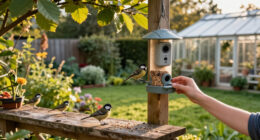
To attract purple martins, experts recommend installing special gourds or birdhouses designed for their nesting habits, placing them in open areas away from dense trees. Barn swallows prefer to build their nests on eaves or beams of structures, so providing suitable ledges or perches can encourage their presence. Warblers, which are often smaller and more elusive, are attracted by native shrubs and dense foliage that offer cover and insect prey.
Creating a bird-friendly environment involves planting native trees and shrubs, avoiding pesticide use, and providing clean water sources. Learn how to attract more birds with a simple bird bath. These measures not only attract wasp-eating birds but also support overall biodiversity, contributing to a healthier yard ecosystem.
Why Attracting Wasp-Eating Birds Matters for Your Yard
Encouraging these three bird species to visit your yard offers a natural, chemical-free method of managing wasp populations, which can be a significant nuisance and pose health risks due to their stings. By fostering a habitat that attracts purple martins, barn swallows, and warblers, homeowners can reduce the need for insecticides, promote local biodiversity, and enjoy a more vibrant, lively outdoor space. Additionally, these birds contribute to the ecological balance, controlling not only wasps but also other pest insects.
As an affiliate, we earn on qualifying purchases.
Background on Birds That Feed on Wasps and Yard Attraction Strategies
Birds such as purple martins, barn swallows, and warblers have long been recognized for their insectivorous diets, particularly their appetite for wasps and other flying insects. Historically, bird enthusiasts and conservationists have promoted creating bird-friendly habitats to support native species and natural pest control. Recent studies and expert observations confirm that encouraging these specific birds can significantly impact local wasp populations, especially in suburban and rural settings.
Effective yard strategies include installing birdhouses tailored to each species, planting native vegetation, and minimizing pesticide use. These practices have gained popularity as eco-friendly alternatives to chemical pest control methods, aligning with broader environmental conservation goals.
“Purple martins, barn swallows, and warblers are highly effective at controlling wasp populations naturally. Creating suitable habitats can significantly increase their presence in your yard.”
— Dr. Emily Carter, Ornithologist
Uncertain Aspects of Bird Attraction and Wasp Control Effectiveness
While experts agree that these birds eat wasps and can be attracted to yards, the exact extent of their impact on local wasp populations varies depending on habitat, geography, and bird density. There is limited quantitative data measuring how much wasp reduction can be achieved solely through attracting these species. Additionally, some homeowners question whether other factors, such as pesticide use or urban development, may limit bird presence despite habitat improvements.
Next Steps for Homeowners and Researchers
Homeowners interested in attracting these birds should focus on habitat enhancement, such as installing birdhouses and native plants, and avoiding pesticides. Researchers plan to conduct more detailed studies quantifying the impact of these birds on wasp populations in different environments. Meanwhile, local conservation groups may offer guidance and resources for creating bird-friendly yards.
Key Questions
Which bird species are most effective at controlling wasps?
The most effective backyard birds for controlling wasps are purple martins, barn swallows, and warblers, as confirmed by ornithologists and pest control experts.
How can I attract these birds to my yard?
Install specialized birdhouses for purple martins, provide perches and nesting sites for barn swallows, and plant native shrubs and trees that attract warblers. Minimize pesticide use and provide clean water sources to make your yard more inviting.
Do these birds significantly reduce wasp problems?
Their impact varies by location and habitat quality, but encouraging these insectivorous birds can contribute to lowering wasp numbers naturally, reducing the need for chemical controls.
Are there any risks in attracting these birds?
Generally, attracting native insectivorous birds is safe and beneficial. However, it is important to maintain clean birdhouses and avoid attracting invasive species or creating conditions that could harbor pests or diseases.
What other benefits do these birds provide?
Besides controlling wasps, these birds add beauty and liveliness to your yard, support local biodiversity, and contribute to ecological health.
Source: rss
Halloween Picks
halloween
As an affiliate, we earn on qualifying purchases.