If space is limited, an endless pool offers a compact, versatile option that fits into smaller areas like garages or basements, with lower installation and operating costs. A traditional lap pool, however, requires a larger backyard and involves higher upfront expenses for excavation and construction but provides a dedicated lane for continuous swimming. To make the best choice, consider your space constraints and budget—there’s much more to discover about each option.
Key Takeaways
- Lap pools require at least 40 feet of length, demanding significant outdoor space, while endless pools fit smaller indoor or outdoor areas.
- Installation costs for lap pools are higher due to excavation and construction; endless pools are prefabricated with simpler setup.
- Ongoing maintenance and chemical costs are higher for lap pools because of larger water volume; endless pools are easier and cheaper to maintain.
- Endless pools are more cost-effective overall, with lower initial investment and operating expenses compared to traditional lap pools.
- Space constraints and budget considerations often favor endless pools for limited areas and lower long-term costs.

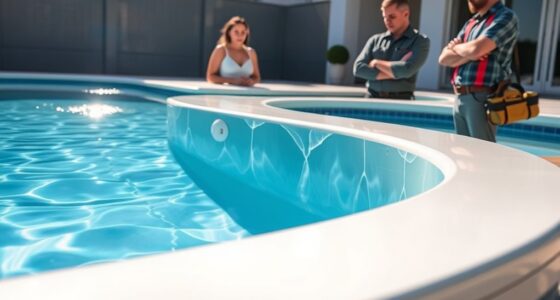
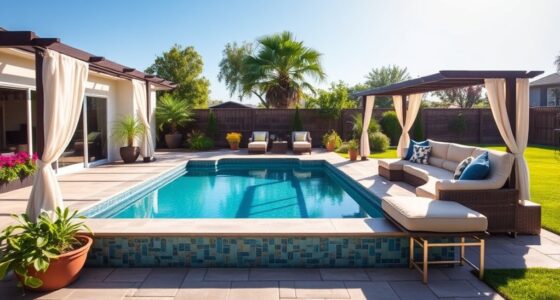
When choosing a pool for fitness and recreation, understanding the difference between a lap pool and an endless pool can help you make an informed decision. One of the key considerations is space and costs, especially regarding installation and ongoing maintenance. A lap pool is typically a long, narrow pool designed specifically for swimming laps. It requires a significant amount of space, often measuring at least 40 feet in length, which means you need a sizable backyard or dedicated area. The installation costs for a traditional lap pool can be substantial, involving excavation, concrete work, plumbing, and electrical components. These upfront expenses can quickly add up, especially if you opt for custom features or high-end finishes. Additionally, the larger size of the pool means more materials and labor, driving the initial investment higher.
Choosing a lap pool requires ample space and higher installation and maintenance costs.
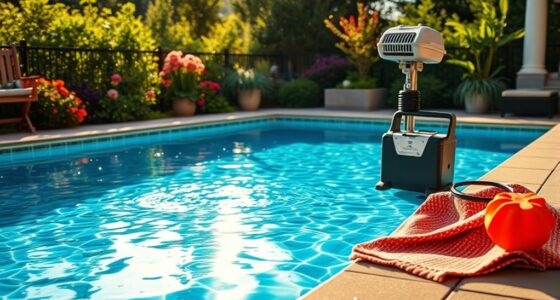
In contrast, an endless pool, also known as a swim spa, is much more compact and designed for smaller spaces. These pools often fit into a garage, basement, or patio, making them more accessible if you have limited outdoor space. The installation costs for an endless pool tend to be lower because they are prefabricated and require less extensive groundwork. You generally connect these units to existing electrical systems, and the setup process is quicker and less disruptive. When it comes to maintenance requirements, a lap pool’s size means more water to treat, filter, and clean regularly. This translates to higher ongoing costs for chemicals, filtration system upkeep, and potential repairs. Larger pools also tend to have more complex circulation systems that need regular attention to prevent algae and bacterial growth.
Endless pools, on the other hand, have a smaller water volume, which reduces the amount of chemicals needed and simplifies maintenance. The integrated filtration systems are typically designed for easy access, allowing you to clean and service them with minimal hassle. Because of their smaller size, these pools are generally less expensive to operate over time, both in terms of energy consumption and upkeep. However, keep in mind that while the initial investment for an endless pool is usually lower, some models with advanced features can be costly. Additionally, cost-effective maintenance is an important factor to consider when evaluating these options.
Ultimately, your choice depends on your available space, budget, and how much time you’re willing to spend on maintenance. If you have ample outdoor space and want a dedicated swimming lane, a traditional lap pool might be worth the higher installation and maintenance costs. But if you need a more versatile, space-efficient option that’s easier to maintain, an endless pool could be the smarter, more economical choice.
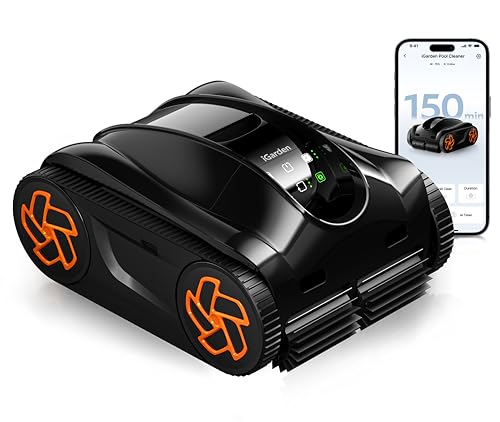
iGarden Robotic Pool Cleaner K Series, 150 Min Runtime Cordless Pool Vacuum Robot for Inground & Above Ground Pools, Smart Navigation, Touchscreen, Self-Parking, Cleans Floor, Wall & Waterline
Robust Cleaning Capability: Engineered with a turbine-grade impeller, an optimized flow system, and 3 brushless motors, the cordless...
As an affiliate, we earn on qualifying purchases.
Frequently Asked Questions
How Long Does It Take to Install Each Type of Pool?
Installation timelines vary: a lap pool typically takes several weeks to a few months, depending on size and site conditions, while an endless pool can be set up in just a few days or weeks. Construction challenges like site preparation or permits can extend these timelines. You should plan for potential delays and work closely with contractors to guarantee smooth installation, especially for larger, more complex pools.
Are There Maintenance Differences Between Lap Pools and Endless Pools?
You’ll find that maintaining a lap pool is like caring for a vast aquatic kingdom, demanding more time and effort, especially for cleaning and chemical balance. Endless pools, on the other hand, are like a sleek, low-maintenance gadget, with equipment built for durability that requires less upkeep. Overall, your pool’s size and equipment quality directly influence how much effort and maintenance you’ll need to keep it pristine.
Which Pool Type Has Better Energy Efficiency?
You’ll find that endless pools tend to be more energy-efficient because they use smaller volumes of water and targeted jet systems, reducing overall energy consumption. Plus, many models come with eco-friendly options like energy-saving modes and efficient pumps. If energy efficiency matters to you, an endless pool offers a greener, cost-effective choice, helping you save on electricity while enjoying your workout.
Can Both Pools Be Used Year-Round Indoors?
Yes, both pools can be used year-round indoors, thanks to their indoor adaptability and seasonal usability. You can enjoy your swim regardless of the weather outside because installing them indoors protects you from seasonal changes. Whether you choose a lap pool or an endless pool, they’re designed for continuous indoor use, providing a comfortable swimming environment year-round. This makes them perfect for maintaining your fitness routine regardless of seasonal shifts.
What Are the Typical Resale Values for Each Pool Type?
You might find it surprising, but resale values for pools vary based on market demand. Generally, lap pools tend to hold higher resale value due to their larger size and popularity among fitness enthusiasts. Endless pools, while versatile and space-saving, may see slightly lower resale prices. Keep in mind, factors like pool condition and local market trends influence how much you can recoup when selling.

(2026 Upgrade) WYBOT C1 Cordless Robotic Pool Vacuum for Inground Pools, Above Ground Pool Cleaner 4-in-1 Wall & Waterline Cleaning Up to 1,614sq.ft, 150mins Smart Navigation, App Support
Powerful Suction with Dual Brushes: Built with an upgraded independent water pump motor delivering up to 3,038 GPH...
As an affiliate, we earn on qualifying purchases.
Conclusion
When choosing between a lap pool and an endless pool, consider your space and budget. A lap pool offers more room for swimming and exercise but needs more space and higher costs. An endless pool fits smaller areas and is more affordable, making it ideal for focused workouts. Think of it like a compact treadmill versus a full gym—both get you moving, but your choice depends on your space and financial comfort.

iGarden Robotic Pool Cleaner K Series, 220 Min Runtime Cordless Pool Vacuum Robot for Inground & Above Ground Pools, Smart Navigation, Touchscreen, Self-Parking, Cleans Floor, Wall & Waterline
Robust Cleaning Capability: Engineered with a turbine-grade impeller, an optimized flow system, and 3 brushless motors, the cordless...
As an affiliate, we earn on qualifying purchases.

(2026 Upgraded) WYBOT C2 Cordless Robotic Pool Cleaner, Dual Filtration, Wall Climbing & Waterline Cleaning, App Scheduling, Smart Navigation, Pool Vacuum for Inground/Above Ground Pools-2152 Sq.ft
Dual Filtration System Captures Fine Debris: Featuring dual-layer filtration (180μm + 10μm), the pool cleaner robot efficiently traps...
As an affiliate, we earn on qualifying purchases.