To winterize your outdoor endless pool, start by cleaning and balancing the water chemistry, making certain pH, alkalinity, and sanitizer levels are within proper ranges. Next, drain and disconnect all equipment, including filters and pumps, and store them in a dry, protected area. Cover the pool securely with a high-quality, snug-fitting cover to prevent debris and ice damage. Following these steps helps protect your pool through winter, and there’s more you can do to ensure it’s fully prepared for spring.

Get garden gear delivered free — and shop member deals
- Fast, free delivery on millions of items
- Access to Prime Big Deal Days deals on October 6–7
- Prime Video, Amazon Music and more included
Key Takeaways
- Use a high-quality, snug-fitting cover to secure the pool and prevent debris entry.
- Drain and disconnect pumps, filters, and heaters following manufacturer instructions to prevent freezing damage.
- Balance water chemicals, including pH and sanitizer levels, to inhibit algae and bacterial growth during winter.
- Remove and store all removable equipment in a dry, protected location for the season.
- Ensure the cover is tightly secured and free of debris before winter to maintain pool integrity.
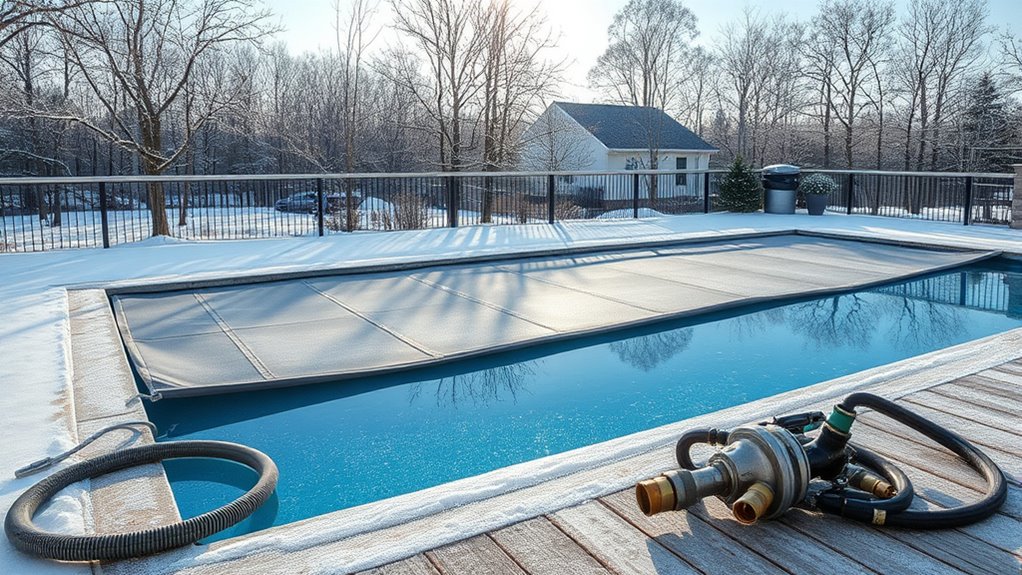
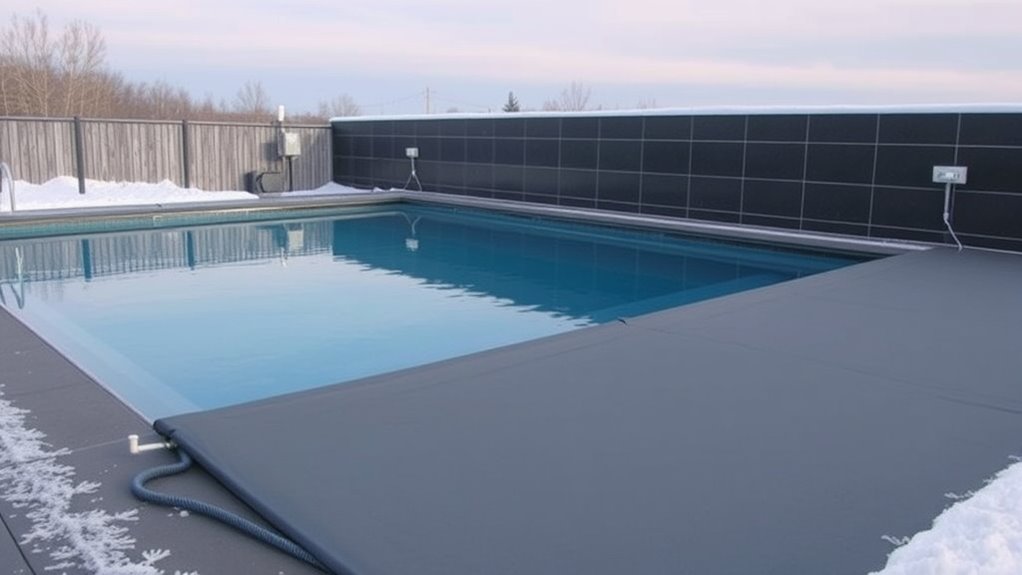
As temperatures drop, it’s vital to properly winterize your outdoor endless pool to prevent damage and guarantee it’s ready for use when warmer weather returns. The first step is securing a high-quality pool cover. A sturdy cover keeps debris, leaves, and dirt out of the water, reducing the need for cleaning when spring arrives. Make sure the cover fits snugly over your pool, and secure it tightly to prevent wind from displacing it. This not only keeps your pool clean but also offers some protection against harsh winter elements like snow and ice, which can cause structural stress. Before installing the cover, remove any remaining water, leaves, and debris from the surface to avoid mold and algae growth underneath. This helps maintain the integrity of your pool and keeps it in good condition for the next season.
Next, you need to focus on the chemical balance of your pool water. Properly balancing the chemicals is essential for preventing corrosion, algae growth, and scale formation during the winter months. Start by testing the water’s pH, alkalinity, and sanitizer levels. Adjust the pH to around 7.2 to 7.6, as this range minimizes corrosion of pool components and keeps water safe and clear. Make certain alkalinity levels are within 80-120 ppm to stabilize pH and prevent fluctuations. Add a sanitizer, such as chlorine or a non-chlorine alternative, to keep bacteria and algae at bay. Once the chemical levels are balanced, consider adding a winterizing algaecide or clarifier to further protect your pool. Proper chemical maintenance during winter helps preserve your pool’s water quality and prevents the buildup of harmful bacteria or algae, making spring startup easier. Additionally, monitoring for expirations of pool chemicals is important to ensure their effectiveness throughout the winter.
Don’t forget to drain and winterize the pool’s equipment, such as pumps, filters, and heaters, if applicable. Follow the manufacturer’s instructions for winterizing each component, which often involves draining water from pumps and pipes to prevent freezing and cracking. For your endless pool, check the manufacturer’s guidelines for specific winterization procedures, as some models may have unique requirements. Once everything is secured and properly treated, store any removable equipment in a dry, protected place. This prevents damage from freezing temperatures and makes setup smoother when you reopen the pool.
As an affiliate, we earn on qualifying purchases.
Frequently Asked Questions
Can I Leave My Pool Running During Winter?
You can leave your outdoor pool running during winter, but it’s not always recommended. To guarantee outdoor pool safety and avoid issues, you should regularly check your pool heater maintenance and system performance. If temperatures drop markedly, it’s better to winterize or use a cover to protect your pool. Keeping it running without proper precautions can lead to frozen pipes or equipment damage, so consider the risks and take appropriate steps.
What Type of Cover Is Best for Winter?
You should choose a cover option that offers durability and excellent insulation materials to protect your outdoor endless pool during winter. A solid, reinforced cover with thick insulation helps keep out debris and prevents heat loss. Look for covers made from heavy-duty vinyl or polypropylene, which resist tearing and provide good insulation. These options guarantee your pool stays clean, insulated, and ready for use when warmer weather returns.
How Often Should I Check Water Chemistry in Winter?
You should check your water chemistry regularly to keep things in harmony, especially during winter’s quieter months. Aim for testing the chemical balance at least once every two weeks, or more often if conditions change. This steady routine helps prevent issues like algae or corrosion. Maintaining proper testing frequency guarantees your pool stays balanced, safe, and ready for use when you want to enjoy it again, even in colder weather.
Will Winterizing Affect My Pool’s Lifespan?
Winterizing your pool, if done properly, won’t harm its lifespan. In fact, it helps with pool maintenance and equipment preservation by preventing freeze damage and other winter-related issues. When you take the right steps, like draining water and sealing equipment, you safeguard your pool’s components. This proactive approach ensures your Endless Pool stays in good condition, ready for enjoyable swimming seasons ahead, without risking damage from harsh winter conditions.
Is Professional Winterizing Necessary for My Pool?
You might wonder if professional winterizing is necessary. Imagine a homeowner who tried DIY winterizing but missed a vital step, leading to costly repairs later. Professional maintenance ensures all components are properly protected, reducing future problems. While DIY winterizing can work if you’re confident, hiring experts guarantees thoroughness and peace of mind, especially in harsh climates. Ultimately, professional winterizing can save you time and money, protecting your pool’s longevity.
Conclusion
As the cold whispers of winter settle in, you close the cover over your outdoor endless pool, sealing it off like a cozy retreat. The quiet, frosty air dances around the still surface, now resting beneath a protective shield. You’ve created a safe haven from winter’s chill, ensuring your pool stays pristine and ready for your next splash. With this winterizing ritual, your outdoor oasis is prepared to patiently wait through the cold, enthusiastic to welcome you back when spring arrives.
Fall yard work Picks
leaf blowers
As an affiliate, we earn on qualifying purchases.