
To fix weak swim currents, start by checking your pump and filter for debris or algae buildup and clean them thoroughly. Make sure all valves are fully open and hoses are free of kinks or obstructions. Inspect the pump’s impeller and seals for damage or wear, and replace any faulty parts. Ensuring proper water chemistry is also essential to prevent mineral buildup. If these steps don’t improve flow, more detailed adjustments can often resolve persistent issues.
Key Takeaways
- Clean and maintain the pump basket and filter regularly to prevent debris buildup that restricts water flow.
- Inspect and open all valves fully, ensuring no kinks or obstructions in hoses impede circulation.
- Check for damaged or worn impellers and seals; replace if necessary to restore proper water movement.
- Test and balance water chemistry to prevent scale or algae buildup that can clog filters and pipes.
- Perform routine equipment inspections and promptly repair any mechanical issues affecting pump or valve functionality.
If your swim current feels weaker than it should be, it’s important to identify the underlying cause so you can restore ideal flow. A strong, steady current keeps your pool lively and safe, but when it diminishes, it can be frustrating. The first step is to check the pump maintenance. Over time, debris, dirt, and algae can clog the pump basket or filter, reducing water flow. Regularly cleaning the pump basket, backwashing the filter, and replacing worn-out parts ensure your pump operates efficiently. Neglecting pump maintenance can cause it to strain, ultimately lowering the swim current. Also, examine the pump’s impeller for blockages or damage, as a compromised impeller can substantially diminish flow. Ensuring all connections and valves are open and unobstructed is equally important, since closed valves or kinked hoses can restrict water movement.
Another key aspect affecting your swim current is water chemistry. Proper water balance is vital for ideal pump performance and circulation. If your water is imbalanced—whether it’s too acidic or alkaline—it can cause scale buildup or corrosion that hampers pump function. Testing your water regularly with a reliable kit lets you maintain proper pH, alkalinity, and sanitizer levels. When these are off, mineral deposits can settle on the impeller or inside pipes, blocking water flow and weakening the current. Correcting water chemistry by adding appropriate chemicals prevents these buildups and keeps your system running smoothly. Additionally, low sanitizer levels can lead to algae growth, which not only clouds the water but can also clog filters and reduce flow.
Sometimes, the problem isn’t just maintenance or chemistry but a combination of both. For example, neglecting pump upkeep can worsen water chemistry issues, creating a cycle that further weakens the current. Regularly inspecting and maintaining your pump, coupled with vigilant water chemistry management, creates a healthy environment that supports strong circulation. If, after these steps, your current still seems weak, consider checking for equipment issues like worn-out seals, damaged impellers, or faulty valves. Even a small malfunction can cause considerable flow reduction. Remember, a well-maintained pump and balanced water chemistry are the foundation of a vigorous swim current. Addressing these factors proactively will help you restore ideal flow, ensuring your pool remains inviting and functional.

ORTVS 070387 Pool Pump Strainer Basket for Pentair Whisperflo/Intelliflo, Replacement B-199, 91110040, 310-3210 Pool Pump Skimmer Filter Basket (White)
Pool Pump Strainer Basket Designed Specifically for Pentair Whisperflo/Intelliflo, for B-199 310-3210 91110040 Pool Pump Skimmer Filter Basket…
As an affiliate, we earn on qualifying purchases.
As an affiliate, we earn on qualifying purchases.
Frequently Asked Questions
How Often Should I Clean My Pool’s Pump and Filter?
You should clean your pool’s pump and filter at least once a month to maintain proper pool maintenance. Regular cleaning helps prevent debris buildup, which can reduce equipment efficiency. If your pool gets heavy use or debris, consider cleaning more often. Keep an eye on pressure gauges; high readings indicate it’s time for a cleaning. Consistent maintenance guarantees your pump and filter work effectively, keeping your pool clean and clear.
Can Weather Conditions Affect Swim Current Strength?
Weather impact is like a tug on your pool’s flow, and yes, seasonal changes can influence swim current strength. Cold weather might slow your pump, reducing current, while heavy rain or wind can stir debris and clog filters, weakening flow. Sunny days usually keep things steady, but always monitor your system during seasonal shifts to guarantee your swim current remains strong and consistent.
What Is the Ideal Flow Rate for a Standard Pool?
The ideal pool flow rate for proper circulation is typically between 30 to 50 gallons per minute (GPM). You should aim for sufficient pool flow rate to ensure consistent circulation, which helps keep water clean and clear. Maintaining this flow rate promotes perfect circulation, preventing stagnant areas and ensuring chemicals distribute evenly. Adjust your pump settings if you notice weak currents, and regularly check your pool’s flow rate to keep circulation ideal.
Are There Safety Concerns With Adjusting Swim Current Intensity?
Adjusting swim current intensity isn’t just a fun upgrade; it does come with safety concerns. You should always prioritize equipment safety and follow user precautions to prevent accidents. Too high a current can cause fatigue or injury, especially for beginners. Stay aware of your limits, verify your equipment’s rated for the adjustments, and monitor conditions closely. Remember, a powerful current might be exciting, but safety should always come first.
How Do I Identify a Malfunction in the Swim Current System?
You should start by inspecting the pump for signs of wear or damage during pump maintenance. Check for unusual noises or vibrations, and guarantee the flow adjustment settings are correct. If the flow remains weak despite adjustments, it indicates a potential malfunction. Clean or replace clogged filters or impellers, and verify that all connections are secure. These steps help identify system issues and restore ideal swim current performance effectively.

Universal Combo Pool Hose Adapter Replacement, 1-1/4" or 1-1/2", 3 Pack Fits Above-Ground Pool Pump, Filter, Skimmer – Compatible with Hayward SPX1091Z7 or SPX1091Z4
[𝐔𝐍𝐈𝐕𝐄𝐑𝐒𝐀𝐋 𝐇𝐎𝐒𝐄 𝐅𝐈𝐓] – Say goodbye to hose compatibility headaches. Our pool filter pump hose adapter is designed…
As an affiliate, we earn on qualifying purchases.
As an affiliate, we earn on qualifying purchases.
Conclusion
By following these troubleshooting tips, you’ll breathe new life into your weak swim currents, turning your pool into a lively, flowing oasis. Think of your pump as the heart of your pool’s circulation—when it beats strong, everything else falls into place. With a little patience and careful inspection, you’ll restore the steady current that keeps your pool vibrant and inviting. Soon, you’ll have a pool that flows as effortlessly as a gentle river, ready for your next swim.
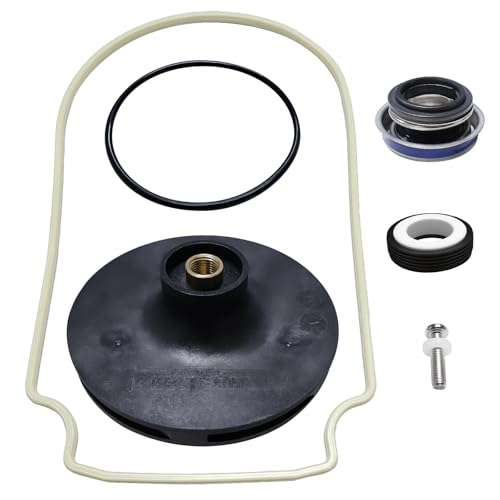
HSJAWA 073128 Impeller Replacement Kit Fits for Pentair Whisperflo 075713, 071444, PS-1000, 357102, 071652 Pool and Spa Pump Impeller Replacement 073128 Kit
Perfect Fit: The 073128 Pool Impeller kit Fits for Pentair Whisperflo pumps including 075713, 071444, PS-1000, 357102, and…
As an affiliate, we earn on qualifying purchases.
As an affiliate, we earn on qualifying purchases.
pool water chemistry test kit
As an affiliate, we earn on qualifying purchases.
As an affiliate, we earn on qualifying purchases.