
Water clarifiers and filtration systems are essential tools to remove impurities and keep water clear and safe. They work by filtering out particles, adjusting pH levels, and adding chemicals to help coagulate and remove contaminants effectively. Proper use of these processes enhances water quality, prevents system issues, and extends equipment life. If you want to understand how to optimize your water treatment and achieve better results, keep exploring these fundamental techniques.
Key Takeaways
- Water clarifiers remove impurities and particles, improving water clarity and safety.
- Proper pH adjustment enhances clarifier and filter efficiency while preventing system corrosion or scaling.
- Chemical dosing involves adding coagulants and pH modifiers to facilitate impurity removal.
- Regular testing and automated dosing maintain optimal water chemistry, boosting treatment performance.
- Mastering pH and chemical dosing ensures high-quality, clear water for various applications.
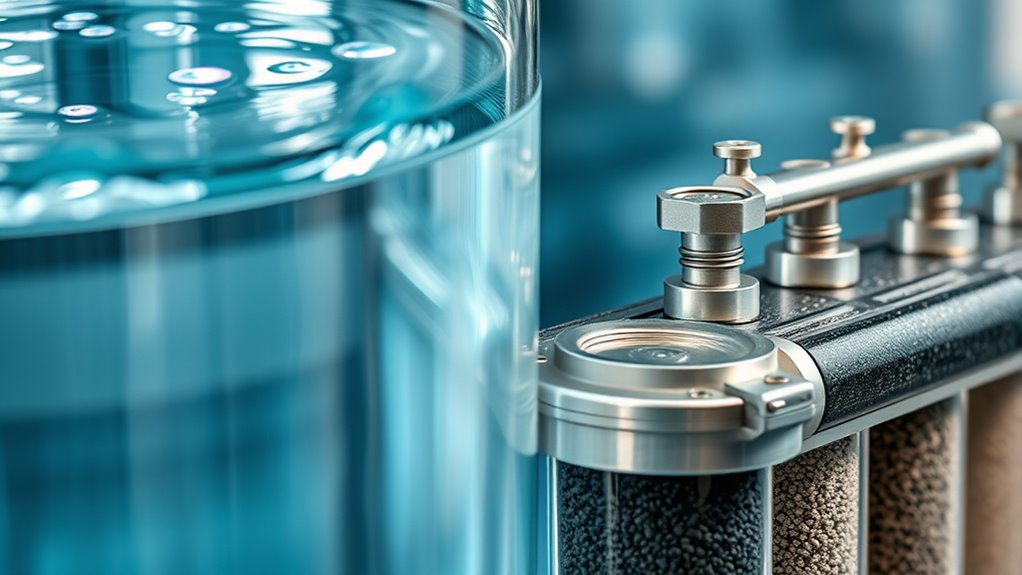
Water clarifiers and filtration systems are essential tools for improving water quality by removing impurities and particles. When you’re working with water treatment, understanding how to properly use these tools makes all the difference in achieving clear, safe water. One of the key aspects of effective water treatment is pH adjustment, which ensures that the water’s acidity or alkalinity is balanced. If the pH is too low or too high, it can hinder the performance of other treatment processes, such as chemical dosing or filtration. By adjusting the pH, you create an ideal environment for clarifiers and filters to function efficiently, preventing issues like corrosion or scaling that can compromise system performance.
Proper pH adjustment ensures effective water treatment and protects system performance.
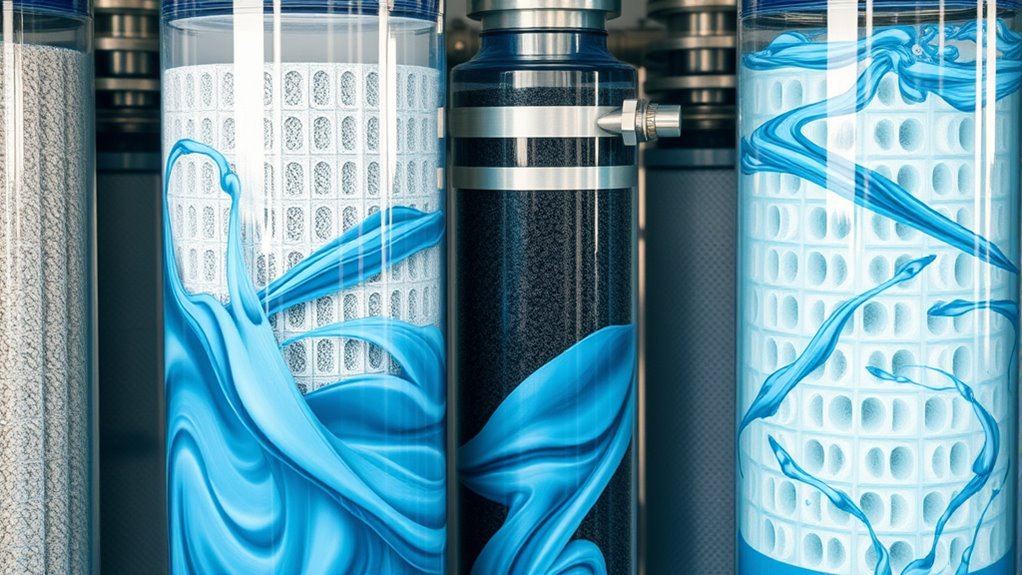
Chemical dosing plays a crucial role in this process. You’ll need to add specific chemicals—such as acids, alkalines, or coagulants—to modify the water’s chemistry. Proper chemical dosing helps in coagulation, where tiny particles clump together into larger flocs that are easier to remove. When you dose chemicals correctly, it enhances the effectiveness of water clarifiers, which then settle or filter out these larger particles more efficiently. This process reduces turbidity and ensures the water looks clearer after treatment. Precise dosing is critical because over- or under-dosing can lead to problems: too much chemicals can cause residual contamination or pH imbalance, while too little might not adequately remove impurities.
Incorporating pH adjustment and chemical dosing into your water treatment routine isn’t complicated but requires attention to detail. Regular testing of the water’s pH allows you to make timely adjustments, ensuring the chemicals are doing their job without creating new issues. Automated dosing systems can help maintain consistent chemical levels, reducing manual errors and saving you time. Once the pH is properly balanced and chemicals are accurately dosed, your water clarifiers and filtration systems can operate at peak performance. This synergy results in cleaner water, fewer maintenance issues, and a longer lifespan for your equipment.
Ultimately, mastering pH adjustment and chemical dosing means you have greater control over the entire water treatment process. These steps ensure that your filtration systems can effectively remove particles, bacteria, and other contaminants, providing safe, high-quality water. Whether you’re managing a small pool or a large industrial water system, paying close attention to these details guarantees better results and more efficient operation. With proper pH adjustment and precise chemical dosing, you’re setting the stage for a cleaner, healthier water supply that meets your needs every time.
A solid understanding of water chemistry is essential for optimizing the effectiveness of your treatment system and ensuring long-term performance.

Clorox® Pool&Spa™ Swimming Pool Super Water Clarifier, Creates Crystal Clear Pool Water, 1 Quart (Pack of 1)
Super Water Clarifier: Clorox Pool&Spa Swimming Pool Super Water Clarifier is a concentrated solution that clears dull, hazy,…
As an affiliate, we earn on qualifying purchases.
As an affiliate, we earn on qualifying purchases.
Frequently Asked Questions
How Often Should Water Clarifiers Be Replaced?
You should replace water clarifiers based on their maintenance frequency, typically every 1 to 3 years, but it depends on chemical compatibility and usage. Regularly inspect for signs of wear, clogging, or reduced performance, and follow the manufacturer’s guidelines. Proper maintenance guarantees peak clarifier function, prolongs its lifespan, and prevents issues. Always consider your specific water quality needs and perform routine checks to determine when replacement is necessary.
Are Water Clarifiers Safe for Drinking Water?
Think of water clarifiers as gatekeepers, guaranteeing safe drinking water. They’re generally safe when used properly, but they often require pH adjustment and chemical additives to work effectively. These chemicals are carefully regulated, so if your system is maintained correctly, your water remains safe. Always follow manufacturer instructions, and consult local water quality standards to ensure your water clarifiers are safe for drinking.
What Is the Difference Between Filtration and Clarification?
Filtration and clarification both improve water quality but serve different purposes. Clarification uses chemical treatment to remove particles and impurities, causing them to settle or be skimmed off. Filtration, on the other hand, physically traps particles through filters, providing further particle removal. Clarification is often the first step, making water clearer, while filtration guarantees finer particles are eliminated, resulting in cleaner, safer drinking water.
Can Water Filters Remove Viruses?
You might think water filters can’t remove viruses, but some can if they’re specifically designed for virus removal. High-quality filters with small pore sizes, like reverse osmosis or UV purifiers, are highly effective at eliminating viruses. Filter effectiveness depends on the technology used and the filter’s specifications. So, if virus removal is your goal, select filters tested and certified for that purpose to guarantee safe, clean drinking water.
How Do I Choose the Right Water Clarifier for My Needs?
You should consider your water’s pH level and the specific contaminants you need to remove when choosing a clarifier. Test your water first, then select a clarifier that requires appropriate pH adjustment for maximum effectiveness. Check the recommended chemical dosage to avoid overuse or under-treatment. By matching the clarifier’s specifications to your water conditions, you’ll ensure clearer, safer water tailored to your needs.
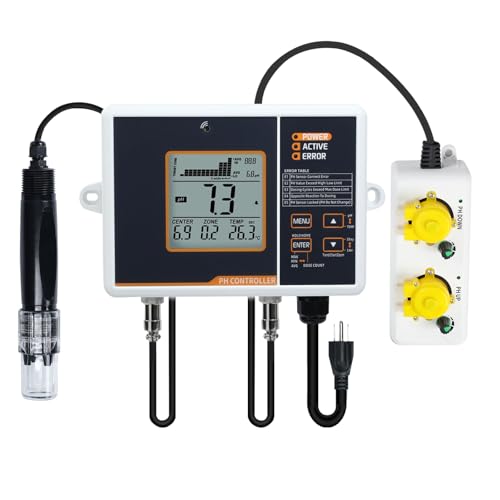
Automatic pH Controller with Dosing Pump & Dual Relay Output for pH Up and Down Dispense, Wall Mounted Aquariums pH Temperature Monitor with Data Chart Display for Hydroponic Nutrient Reservoir
PH UP AND DOWN CONTROLLER: Landtek digital ph controller equiped with dosing pumps for ph level measurement and…
As an affiliate, we earn on qualifying purchases.
As an affiliate, we earn on qualifying purchases.
Conclusion
By understanding water clarifiers and filtration, you hold the keys to transforming murky water into crystal-clear clarity. Think of these systems as the sculptors that chisel away impurities, revealing the pure essence beneath. With each step, you’re orchestrating a symphony of clean, safe water—turning chaos into calm. Embrace these basics, and you’ll master the art of water purification, ensuring every drop you handle sings with purity and life.

iSpring RCC7AK, NSF Certified, 75 GPD, Alkaline 6-Stage Reverse Osmosis System, pH+ Remineralization RO Water Filter System Under Sink, Patented Top-Mounted Faucet Design for Easy Installation
PATENTED DESIGN – The top-mounted fastener allows for easy countertop installation entirely from above, eliminating the hassle of…
As an affiliate, we earn on qualifying purchases.
As an affiliate, we earn on qualifying purchases.

HTH Spa 86121 Clarifier, Concentrated Spa & Hot Tub Chemical for Crystal Clear Water, 16 oz
BENEFIT: Use this concentrated formula to bring crystal clarity back to dull spa or hot tub water and…
As an affiliate, we earn on qualifying purchases.
As an affiliate, we earn on qualifying purchases.