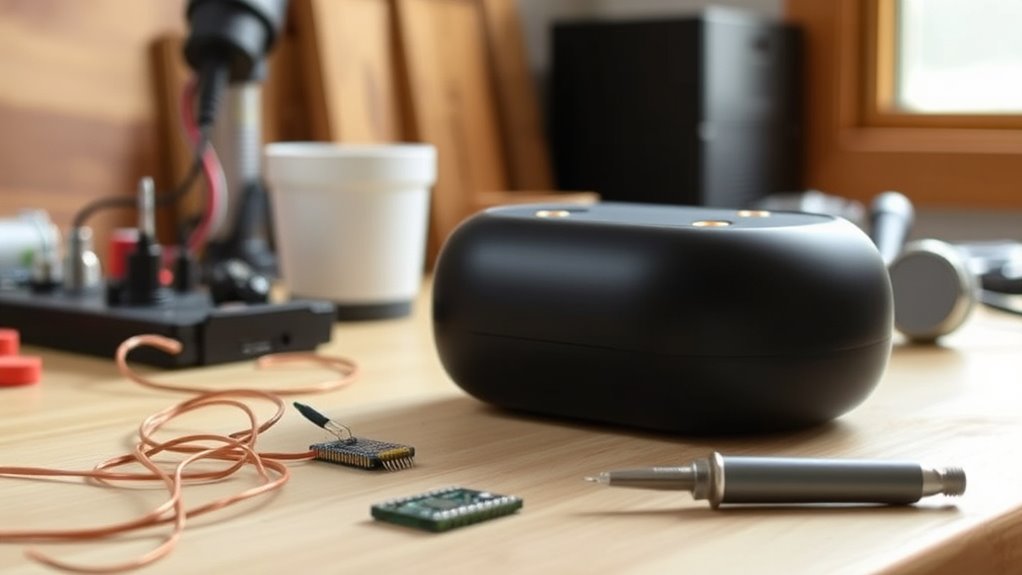

Building your own voice-controlled assistant lets you create a personalized smart speaker by integrating hardware like microcontrollers and high-quality microphones with software using open-source NLP libraries. You’ll connect and wire components properly, configure your hardware, and develop scripts for voice commands. This project improves your understanding of natural language processing and hardware setup while offering a custom device tailored to your needs. Keep exploring to discover more tips that will make your DIY smart speaker a reality.

Get garden gear delivered free with Prime
- Fast, free delivery on millions of items
- Prime Video, Amazon Music and more included
- Member-only deals all year
Key Takeaways
- Gather necessary hardware components like microcontrollers, microphones, and speakers for building a smart speaker.
- Connect and wire microphones and speakers to your chosen processing unit, following detailed tutorials.
- Install open-source NLP and speech recognition software to enable voice command processing.
- Program custom scripts to interpret commands and integrate with smart home devices or services.
- Personalize your DIY smart speaker for specific functions, enhancing understanding and daily utility.
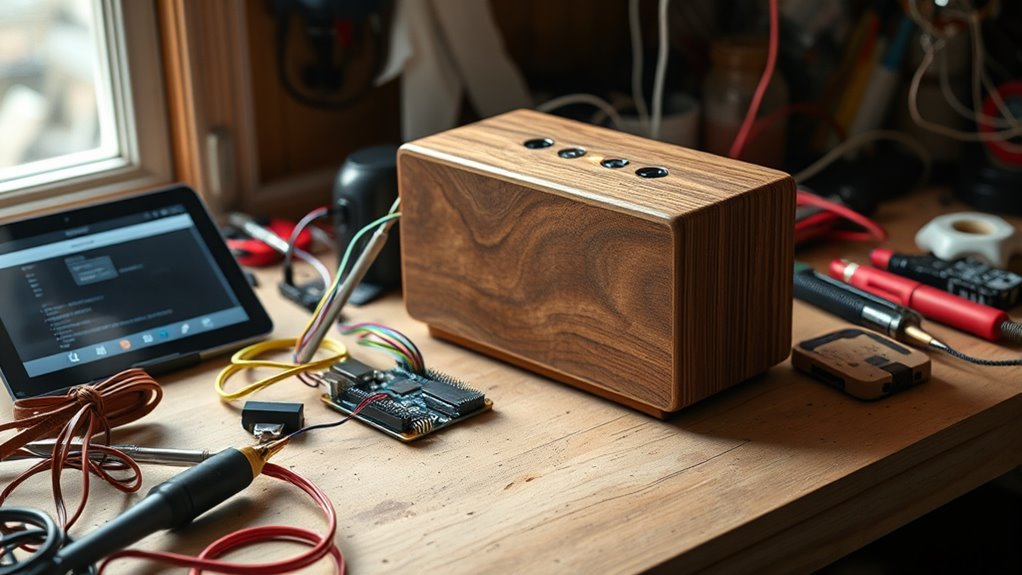
Have you ever wondered how voice-controlled assistants have transformed the way we interact with technology? These devices have become an integral part of our daily routines, allowing us to control lights, play music, set reminders, and even get weather updates, all through simple voice commands. Building your own DIY smart speaker is a rewarding project that not only deepens your understanding of how these assistants work but also lets you customize the device to suit your needs. At the core of this technology is natural language processing, which enables your device to understand and interpret your spoken words accurately. Without this capability, your smart speaker would just be a microphone and speaker, incapable of meaningful interaction. Integrating hardware components like microphones, speakers, and microcontrollers is equally vital, as it makes the entire system function seamlessly. When you set out to create your own voice-controlled assistant, you’re fundamentally combining these elements into a cohesive unit.
The first step involves selecting the right hardware. You’ll need a microcontroller or a single-board computer, such as a Raspberry Pi, which provides enough processing power to run natural language processing algorithms. Adding a high-quality microphone array ensures your device can pick up voice commands clearly, even in noisy environments. A speaker is necessary for delivering responses or playing audio. Once you have your hardware, you’ll need to connect these components properly, ensuring they communicate efficiently. Hardware integration is indispensable here—it’s what allows your assistant to listen, process, and respond without lag or errors. Connecting the microphone and speaker to your processor involves some wiring and configuration, but many tutorials available online make this straightforward.
Next, you’ll focus on programming your device to recognize voice commands. This is where natural language processing comes into play. Using open-source libraries or APIs like Google Speech Recognition or Mozilla DeepSpeech, you can enable your device to convert spoken words into text. From there, simple scripts can interpret commands and trigger actions—like turning on a light or fetching the weather. Fine-tuning this process involves training your system with sample commands to improve accuracy and responsiveness. As you progress, you might add features like voice wake words, so your device only listens when addressed, or integrate it with smart home systems for broader control.
Creating your own voice-controlled assistant is both challenging and rewarding. It deepens your understanding of natural language processing and hardware integration, giving you a tangible glimpse into the technology powering commercial smart speakers. Plus, it’s customizable—meaning you can add features or tweak responses to match your preferences. With patience and some basic coding skills, your DIY smart speaker can become a useful, personalized gadget that enhances your daily life, all built by your own hands.
Products Worth Considering

Sonos Era 100 SL Compact Microphone-Free Speaker, Black

Bose TV Speaker (2nd Gen) Compact Soundbar with Bluetooth and HDMI Connectivity
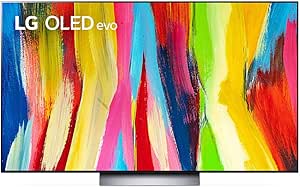
LG C2 Series 65-Inch OLED evo 4K Smart TV (OLED65C2PUA, 2022)
As an affiliate, we earn on qualifying purchases.
Frequently Asked Questions
Can I Customize the Voice Commands for My Smart Speaker?
Yes, you can customize voice commands for your smart speaker through voice command customization features. By using user voice training, you teach your device to recognize your voice better, enabling more personalized commands. Many smart speakers allow you to create custom routines and adjust commands, giving you greater control. Just follow the setup instructions, perform user voice training, and then tailor your commands to suit your preferences for a more personalized experience.
What Are the Privacy Implications of Building a DIY Voice Assistant?
When building a DIY voice assistant, you should consider data privacy and data security carefully. Your device may collect personal data, so you need to safeguard it against unauthorized access. Use encryption, strong passwords, and update software regularly. Be aware of what data you store or share, and set clear permissions. Staying vigilant helps protect your privacy and ensures your smart speaker functions safely without exposing sensitive information.
How Does the Project Integrate With Existing Smart Home Devices?
Sure, because who doesn’t love a project that seamlessly integrates with all their smart devices? By carefully choosing integrating protocols like Zigbee or Z-Wave, you make your DIY smart speaker compatible with a wide range of devices. Just remember, the key is ensuring device compatibility, so your new voice assistant can control everything from lights to thermostats effortlessly. It’s almost too easy—until it isn’t!
What Are the Recommended Hardware Components for Beginners?
When choosing hardware for your DIY smart speaker, focus on a beginner-friendly microcontroller like the Raspberry Pi or Arduino. These options offer easy setup and plenty of online support. For speaker options, start with a simple USB or 3.5mm jack speaker, or a small Bluetooth speaker for wireless connectivity. This combination makes building your smart speaker manageable, affordable, and customizable to your needs.
Is There a Step-By-Step Guide for Troubleshooting Common Issues?
If you’re facing issues, a step-by-step guide for troubleshooting common problems can help. Start with software troubleshooting by checking for updates, resetting settings, or reinstalling software. Use hardware diagnostics to test components like microphones and speakers. Follow clear instructions to identify whether issues stem from hardware or software. This approach helps you efficiently resolve problems, ensuring your smart speaker functions smoothly without needing advanced technical skills.
Conclusion
Think of your DIY smart speaker as the compass guiding your home’s digital voyage. With a little effort, you’ve built a device that listens, understands, and responds—making your space smarter and more connected. As you continue to tweak and improve it, you’ll find your voice becomes the captain of this technological ship. Embrace the journey, and soon, your voice-controlled assistant will navigate your daily life with ease and confidence.