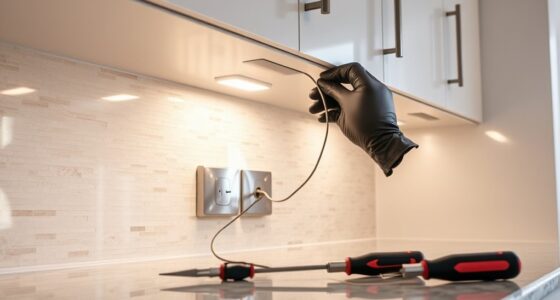
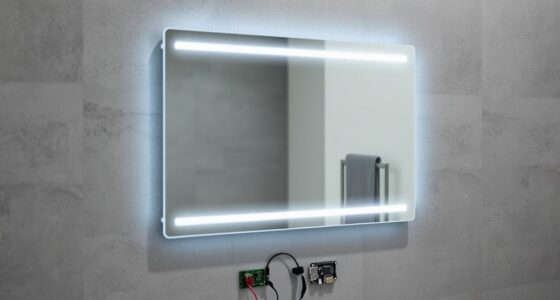
Transforming e-waste into art gives you a creative way to repurpose discarded circuit boards into stunning decor pieces. You can clean, paint, or etch the boards to highlight their intricate designs, arranging them into mosaics, wall art, or sculptures that showcase technology’s beauty. This process not only promotes sustainability but also offers unique aesthetic appeal. If you keep exploring, you’ll discover how to turn these tech remnants into eye-catching, eco-friendly masterpieces.
Key Takeaways
- Artists creatively repurpose discarded circuit boards into unique, eco-friendly decor pieces, transforming electronic waste into art.
- Techniques like cleaning, painting, and arranging circuit boards enable the creation of mosaics, wall hangings, and sculptures.
- Using recycled components and existing materials promotes sustainable art practices and minimizes environmental impact.
- Highlighting the technical details of circuit boards enhances the aesthetic appeal and visual interest of the artwork.
- Crafting with e-waste raises awareness about electronic waste issues and encourages eco-conscious, innovative reuse.

As electronic waste continues to pile up worldwide, artists are turning discarded gadgets into stunning works of art, transforming what was once considered trash into valuable creative expressions. One of the most striking ways they do this is by repurposing circuit boards, which are often overlooked as mere scrap. Instead of discarding these components, you can harness their unique patterns and textures to craft compelling decor pieces. Circuit board design offers a fascinating foundation for creating intricate, tech-inspired artwork that highlights the beauty within discarded technology. By carefully selecting and arranging these boards, you can produce vibrant mosaics, wall hangings, or even sculptures that reflect the complex inner workings of electronics.
Using sustainable art techniques, you minimize waste and reduce your environmental footprint. Instead of buying new materials, you repurpose what’s already available, giving new life to old circuit boards. This approach not only saves resources but also emphasizes your commitment to eco-friendly practices. When working with circuit boards, you can clean and treat them to remove solder, dust, and corrosion, ensuring they’re safe to handle and display. You might also explore techniques like painting or etching to add personalized touches, or combine circuit boards with other recycled components such as plastic casings or wires. The key is to embrace a DIY ethos, tailoring each piece to reflect your artistic vision while staying true to sustainable principles.
Creating art from circuit boards also involves a strategic understanding of their design. You’ll notice that each board has its own unique layout, with pathways, chips, and connectors that can be highlighted or abstracted in your artwork. By paying attention to circuit board design, you can emphasize certain elements, turning technical details into visual focal points. This process encourages you to look at technology from a new perspective, appreciating its aesthetic potential beyond functionality. It’s a satisfying way to merge creativity with environmental consciousness, transforming electronic waste into conversation-starting decor pieces. Additionally, understanding the importance of contrast ratio can help you choose the right lighting and display methods to enhance the visual impact of your artwork.
In essence, repurposing circuit boards through sustainable art techniques not only challenges your artistic skills but also raises awareness about e-waste. It invites you to see discarded tech as an opportunity rather than waste. When you craft with these materials, you’re making a statement about sustainability and innovation, proving that even the most overlooked items can become treasured works of art. This approach blends functionality, design, and eco-consciousness into pieces that inspire and educate, making your decor a testament to the transformative power of creative reuse.

Intermatic PE733P 7-Day Electronic Wi-Fi Pool Timer – 3-Circuit, 120–277V Auto-Voltage, Type 3R Outdoor Plastic Enclosure - 30A Load Capacity for Pumps, Lights, and Spa Equipment
BUILT FOR EXTREME OUTDOOR ENVIRONMENTS – Engineered to perform in temperatures ranging from -40°F to 158°F with a...
As an affiliate, we earn on qualifying purchases.
Frequently Asked Questions
What Safety Precautions Are Needed When Handling Circuit Boards?
When handling circuit boards, you should prioritize safety precautions to avoid injuries and exposure to hazardous materials. Always wear safety gear like gloves and eye protection to prevent cuts and irritation from sharp edges or small components. Handle the boards carefully, avoiding excessive force, and work in a well-ventilated area. These handling precautions help protect you from potential electrical hazards, chemical exposure, and physical injuries.
How Long Does It Take to Create a Piece of E-Art?
Imagine a clock ticking as you transform scrap into stunning decor. The time estimation for creating e-art varies with the complexity of your design and your skill. The creative process can take anywhere from a few hours for simple pieces to several days for intricate masterpieces. You’ll find that patience and attention to detail turn recycled circuit boards into engrossing art, making every moment spent truly worthwhile.
Can Recycled Circuit Boards Be Used for Large-Scale Art Installations?
You can definitely use recycled circuit boards for large-scale art installations. To scale production effectively, you’ll want to source enough materials and plan your design carefully. Recycled circuit boards offer great artistic diversity, allowing you to create intricate, textured pieces. By coordinating your supply chain and experimenting with various layouts, you can turn these electronics into impressive, eco-friendly installations that captivate and inspire your audience.
What Tools Are Essential for Transforming E-Waste Into Decor?
Think of transforming e-waste into decor as revealing a treasure chest of creativity. You’ll need essential tools like wire cutters, pliers, and a hot glue gun to bring your vision to life. These upcycling techniques turn discarded circuit boards into stunning art pieces. With artistic inspiration fueling your passion, you can craft unique decor that’s both eco-friendly and visually enchanting. Arm yourself with these tools and start creating!
Are There Environmental Benefits to Repurposing E-Waste as Art?
You’ll find that repurposing e-waste into art substantially boosts recycling impact and supports environmental conservation. By giving electronics a new life, you reduce landfill waste and lower pollution, helping protect natural resources. This creative approach promotes sustainable practices, minimizes hazardous waste, and raises awareness about responsible disposal. Ultimately, your efforts contribute to a healthier planet while transforming discarded tech into beautiful, meaningful decor.

Pentair EC-520545 EasyTouch 8 Function Control Pool and Spa Combo with IC40 Salt Cell - Limited Warranty
Eight-function pool and spa automation system with salt chlorine generator (SCG) integration
As an affiliate, we earn on qualifying purchases.
Conclusion
Now that you’ve seen how discarded circuit boards can transform into stunning art, isn’t it time you consider giving e-waste a new purpose? By repurposing these materials, you’re not only creating unique decor but also helping reduce environmental harm. Why settle for ordinary when you can turn trash into treasure? Start exploring your own creative projects today—who knows what beautiful masterpieces you might craft from what others see as junk?

Pentair EC-523317 IntelliConnect Pool Control and Monitoring System - Limited Warranty
Genuine O.E.M. Product
As an affiliate, we earn on qualifying purchases.

Pentair IntelliCenter Lite Pool/Spa Power Center with 2 CVA24 Valve Actuators
Convenient Control: IntelliCenter Lite Pool/Spa Power Center allows easy management of pool/spa equipment and accessories.
As an affiliate, we earn on qualifying purchases.