TL;DR
Wildflower tourism is emerging as a major travel trend for 2026, driven by the desire for restorative, nature-focused experiences. Key destinations include Mount Rainier, Glacier National Park, Crested Butte, and the Great Smoky Mountains, attracting visitors seeking fleeting, picturesque displays.
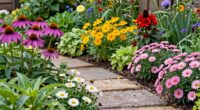
Wildflower tourism is rapidly gaining popularity among travelers in 2026, with visitors flocking to select U.S. national parks and mountain towns to witness fleeting, colorful wildflower displays. This trend reflects a growing desire for restorative, nature-centered vacations that allow for discovery and connection with the natural world.
The trend is fueled by the seasonal nature of wildflower blooms, which vary by climate and location, creating a sense of discovery and exclusivity. Social media has amplified interest, encouraging travelers to seek out authentic, scenic experiences in protected environments.
Top destinations for wildflower viewing in 2026 include Mount Rainier in Washington, Glacier National Park in Montana, Crested Butte in Colorado, and the Great Smoky Mountains spanning Tennessee and North Carolina. Each offers unique displays of native wildflowers, from lupines and Indian paintbrushes to azaleas and rhododendrons, typically blooming in summer months.
Implications of the Wildflower Tourism Boom in 2026
This rising trend highlights a shift toward sustainable, nature-based travel, emphasizing the importance of preserving fragile ecosystems. It offers economic benefits to local communities but also raises concerns about environmental impact if not managed responsibly. The trend underscores travelers’ increasing desire for authentic, seasonal experiences that foster well-being and connection to nature.
As an affiliate, we earn on qualifying purchases.
Historical Growth of Nature-Led Travel and Wildflower Appreciation
Wildflower tourism has been gradually increasing over recent years, driven by a broader movement toward eco-conscious travel and outdoor recreation. The popularity of social media platforms has contributed to heightened awareness of seasonal blooms, making specific locations highly sought after during peak times. Historically, national parks like Mount Rainier and Glacier have been favorites for wildflower viewing, but recent years have seen a surge in interest in lesser-known mountain towns and protected areas.
This trend aligns with a wider societal shift toward seeking restorative experiences that prioritize mental health, environmental stewardship, and authentic engagement with nature. The 2026 season is expected to see record visitor numbers at key wildflower hotspots, emphasizing the need for responsible tourism practices.
“Wildflower tourism offers a fleeting, authentic experience that captures the magic of seasonal change and natural beauty.”
— Gillian Pullinger, travel and gardening enthusiast
Unconfirmed Aspects of the 2026 Wildflower Season
While peak wildflower displays are expected in summer 2026, exact timing and intensity of blooms remain uncertain due to variable climate conditions. It is not yet clear how environmental factors such as drought or early snowmelt might affect the season’s spectacle or visitor numbers.
Upcoming Events and Recommendations for Wildflower Enthusiasts
Travelers interested in wildflower viewing should monitor park announcements and local guides for the latest bloom forecasts. Booking accommodations early and adhering to responsible tourism guidelines will be essential as visitor numbers increase. Conservation efforts and park management plans will also play a key role in sustaining these seasonal displays.
Key Questions
When is the best time to see wildflowers in 2026?
The optimal period is expected to be from late June to mid-August, depending on the location and weather conditions.
Which U.S. destinations are top for wildflower viewing in 2026?
Mount Rainier National Park, Glacier National Park, Crested Butte, and the Great Smoky Mountains are among the top recommended spots.
How can I visit wildflower sites responsibly?
Stay on designated trails, do not pick or disturb flowers, and follow park guidelines to help preserve fragile ecosystems.
Will wildflower blooms be affected by climate change?
It is uncertain; climate variability could influence bloom timing and intensity, but specific impacts for 2026 are not yet confirmed.
Yes, some areas like Crested Butte host wildflower festivals with guided walks, photography workshops, and botanical classes during peak season.
Source: Homes & Gardens