To grow spinach with peas in cool weather, time your planting to make certain both mature at their peak, roughly 40-50 days apart. Use cold frames or row covers to protect your crops from frost, and regularly check for pests like aphids and leafminers. Keep plants healthy through proper watering and spacing, and act quickly if pests appear. By maintaining these practices, you’ll boost your chances of a healthy harvest—keep exploring for even more tips to succeed.
Key Takeaways
- Use cold frames or row covers to protect spinach and peas from frost in cool weather.
- Harvest spinach early when leaves are tender and peas are plump but not over-mature.
- Regularly monitor plants for pests and signs of damage, acting promptly to prevent infestations.
- Maintain healthy, well-spaced plants with proper watering and fertilization to promote growth during cooler months.
- Introduce beneficial insects and use mesh covers to naturally manage pests and extend the growing season.
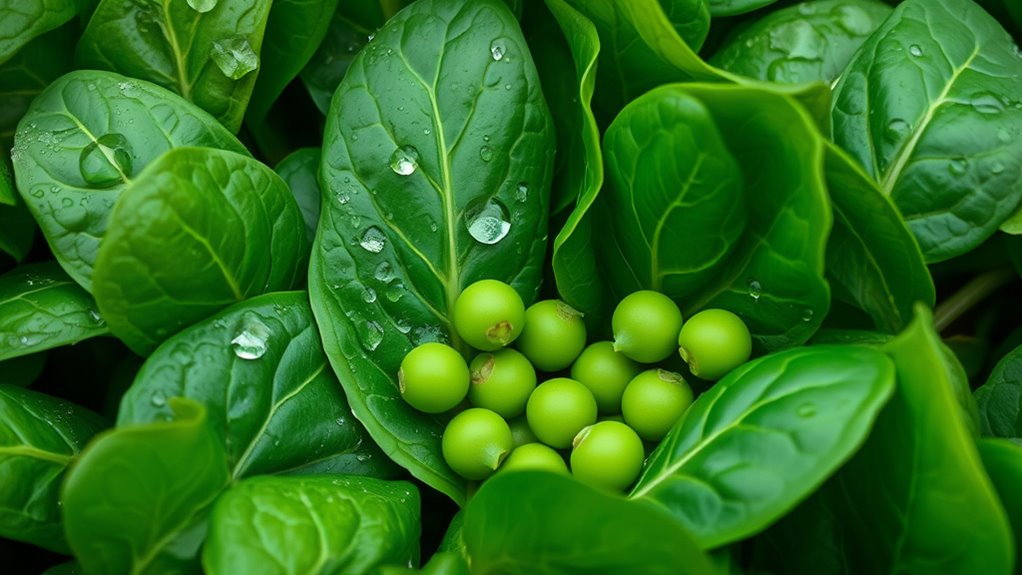
Spinach with peas is a simple, nutritious dish that combines the earthy flavor of fresh greens with the sweet freshness of peas. If you’re growing these crops in cool weather, understanding the right harvesting techniques and pest management strategies can make all the difference in guaranteeing a bountiful harvest. When it comes to harvesting, timing is essential. You want to pick the spinach when the leaves are young, tender, and vibrant green—usually about 40 to 50 days after planting. For peas, harvest them early while the pods are still plump but before they become overly mature and tough. Regularly check your plants to catch them at their peak flavor and texture, and use clean, sharp scissors or garden shears to avoid damaging the plants. This careful approach encourages continued production and helps prevent the spread of disease.
Pest management is equally important, especially during the cooler seasons when pests can still pose a threat. Common pests like aphids, leafminers, and pea weevils can quickly damage your crops if left unchecked. To keep pests at bay, employ integrated pest management (IPM) techniques. Start by inspecting your plants regularly and removing any infested leaves or insects by hand. Introducing beneficial insects, like ladybugs and lacewings, can naturally control aphid populations. Covering your plants with row covers or fine mesh screens can also prevent pests from reaching the crops during vulnerable stages. Additionally, maintaining healthy plants through proper watering, fertilization, and spacing can make them less attractive to pests and more resistant to disease. Keep an eye out for signs of pest damage, such as distorted leaves or chewed edges, and act promptly to prevent infestations from spreading.
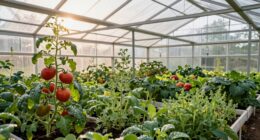
In cool weather, you might also need to extend your growing season with cold frames or row covers to protect your crops from unexpected frosts. This extra layer can help keep the soil temperatures stable and provide a microclimate that encourages steady growth. Proper Kia Tuning techniques can also be applied to enhance your garden equipment, making maintenance easier and more efficient. This extra effort can contribute to healthier plants and better yields. As you harvest, remember that cool weather can sometimes slow down growth, so patience is key. Regularly monitoring your plants for pests and harvest readiness ensures you’re collecting the best possible produce. By combining proper harvesting techniques with vigilant pest management, you’ll enjoy fresh, flavorful spinach and peas throughout the season. With a little attention and care, your garden can thrive even during cooler months, giving you a plentiful supply of this nutritious duo.

Building & Using Cold Frames: Garden Way Publishing Bulletin A-39
Used Book in Good Condition
As an affiliate, we earn on qualifying purchases.
As an affiliate, we earn on qualifying purchases.
Frequently Asked Questions
What Are the Best Soil Conditions for Growing Spinach With Peas?
You should aim for well-drained soil with good drainage to prevent waterlogging, which can harm your spinach and peas. Keep the soil moist but not soggy, and guarantee it has a slightly acidic to neutral pH balance, ideally between 6.0 and 7.0. Enrich the soil with organic matter to promote healthy growth, and regularly check the pH to keep it within the best range for both crops.
How Often Should I Water Spinach and Peas During Cool Weather?
You should water your spinach and peas about once or twice a week during cool weather, ensuring the soil stays consistently moist but not waterlogged. Check the soil moisture regularly by sticking your finger about an inch into the soil; if it feels dry, it’s time to water. Adjust your watering frequency based on rainfall and soil conditions to keep the plants healthy and thriving.
Can Spinach and Peas Be Grown Together in a Small Garden?
Yes, you can grow spinach and peas together in a small garden, and they make good companion plants. This pairing supports healthy growth and helps manage pests. Remember, practicing crop rotation is essential to prevent soil depletion and disease buildup. By rotating these crops yearly, you ensure the soil stays fertile and your plants thrive. Combining companion planting with crop rotation creates a sustainable, productive garden environment.
What Pests Commonly Affect Spinach and Peas in Cool Weather?
You’ll often face pests like aphids, leaf miners, and thrips on spinach and peas in cool weather. To prevent these issues, practice pest prevention by regularly inspecting your plants and removing infested leaves. Crop rotation also helps reduce pest buildup, so avoid planting spinach and peas in the same spot year after year. These steps keep your garden healthier and minimize pest problems effectively.
How Long Does It Take for Spinach With Peas to Mature?
You can expect spinach with peas to reach harvest timing in about 50 to 70 days, depending on your growing conditions. The growth duration varies based on the variety and weather, but generally, you’ll see tender leaves and peas ready to pick within this timeframe. Keep an eye on the plants as they mature; harvest when leaves are lush and peas are plump for the best flavor and texture.
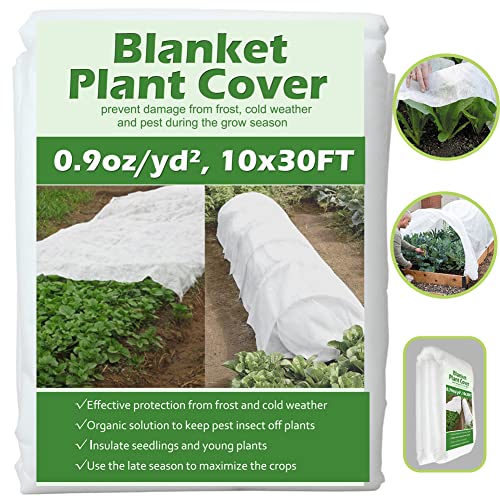
Plant Covers Freeze Protection 10 ft x 30 ft Floating Row Cover 0.9oz/yd² Garden Fabric Plant Cover for Winter Frost/Sun Pest Protection (10FT X 30FT)
※Big Size to cover large area : The size of our plant cover is 10x30ft, the size can…
As an affiliate, we earn on qualifying purchases.
As an affiliate, we earn on qualifying purchases.
Conclusion
Cooking spinach with peas in cool weather is a delicious way to boost your vitamin intake. Did you know that eating leafy greens like spinach can lower your risk of chronic diseases by up to 30%? So, next time you crave a nutritious, flavorful dish, give this combo a try. It’s quick, easy, and packed with health benefits—perfect for cozy days. Stay inspired to enjoy seasonal produce and keep your meals vibrant and healthy!

Garden Netting, 2 Pack 10x33Ft Ultra Fine Mesh Netting Pest Barrier Protection Bird Mosquito Net Plants Cover for Vegetables Fruits Flowers Crops Greenhouse Row Cover Raised Bed Patio Mesh Netting
Ultra-Fine Mesh Netting: Large Size 2pack 10×33 Feet provide more security, Ultra Fine Garden Netting has a 0.04in…
As an affiliate, we earn on qualifying purchases.
As an affiliate, we earn on qualifying purchases.

STAYGROW 2pcs 6.5" Pruning Shears for Gardening, Ultra Sharp Garden Scissors for Precise Cuts, Stainless Steel Bonsai Clippers with Spring Loaded, 6.5 Inch Garden Shears (1pc Straight & 1pc Curved)
Well-Designed & Easy-to-Use: These gardening scissors are built spring-loaded so that they automatically push themselves open without you…
As an affiliate, we earn on qualifying purchases.
As an affiliate, we earn on qualifying purchases.