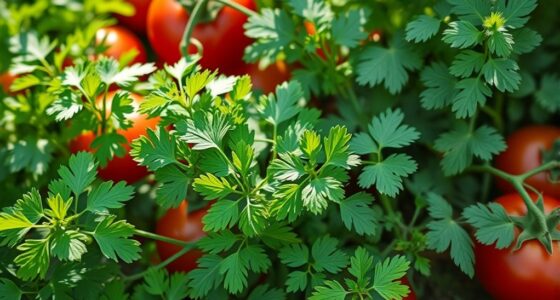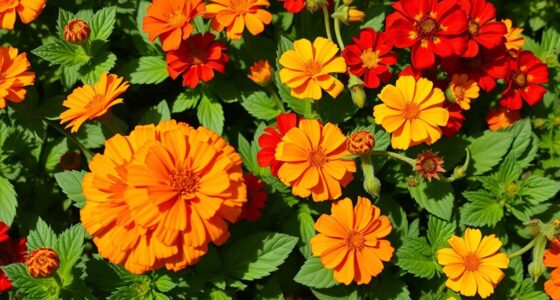
To use companion planting for pest prevention, strategically pair plants that repel pests or attract beneficial insects. Incorporate herbs like basil, mint, or marigolds alongside vegetables to deter insects naturally. Arrange your garden to promote airflow, support soil health, and create natural pest barriers with diverse plantings. Regularly monitor pest activity and adjust your combinations as needed. Keep exploring more tips to boost your garden’s natural defenses and keep pests at bay effectively.
Key Takeaways
- Select pest-repellent plants like marigolds, basil, and aromatic herbs to create natural barriers against pests.
- Pair compatible plants strategically, such as basil with tomatoes, to repel specific pests like aphids.
- Attract beneficial insects by planting dill, fennel, and daisies to naturally control pest populations.
- Use crop rotation and staggered planting schedules to disrupt pest life cycles and reduce infestations.
- Incorporate habitats like insect hotels and organic sprays (neem, garlic) to support beneficial insects and repel pests organically.

Companion Plant Seeds 5 Variety Pack for Planting – Survival Garden Seeds
- Includes 5 Heirloom Seed Varieties: Basil, Borage, Dill, Marigold, Nasturtium
- Supports Healthy Garden Ecosystem: Attracts pollinators and beneficial insects
- Promotes Natural Pest Control: Encourages predatory insects and biodiversity
As an affiliate, we earn on qualifying purchases.
As an affiliate, we earn on qualifying purchases.
How Companion Planting Naturally Keeps Pests Away
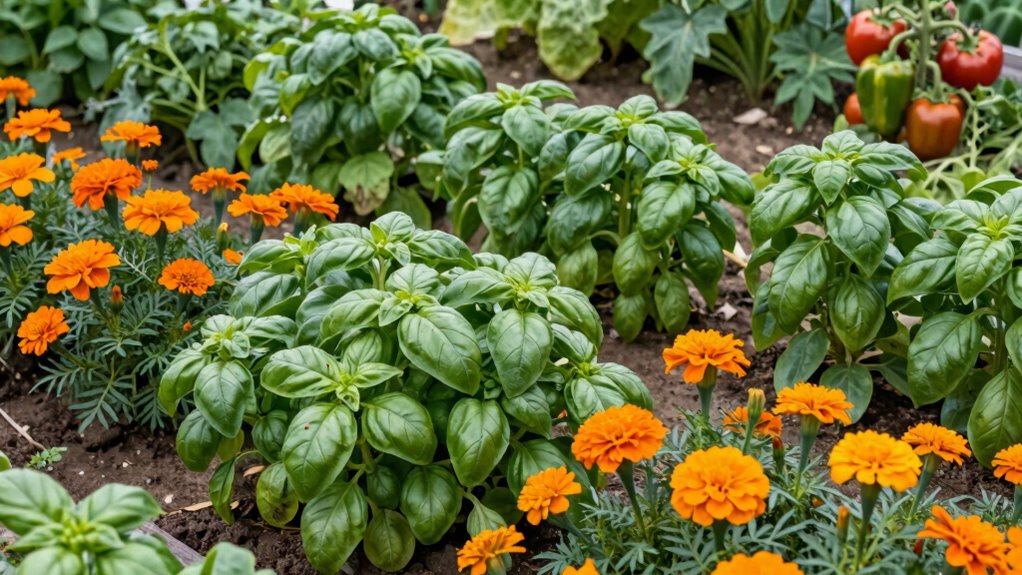
Companion planting naturally keeps pests at bay by attracting beneficial insects and confusing or repelling harmful ones. When you plant certain herbs and companion species, you encourage helpful insects that prey on pests, reducing the need for chemical control. Additionally, some plants act as natural repellents, confusing pests and lowering their chances of finding your crops. Using herbal remedies like basil or marigolds can further enhance this effect. To effectively manage pests, you should also practice pest identification; knowing which insects are beneficial versus harmful helps you target problems accurately. Incorporating garden diversity by mixing different plants creates a more resilient ecosystem where pests are less likely to become a serious issue, promoting healthier, pest-resistant plants. Introducing beneficial insects such as ladybugs or lacewings can further support your pest prevention efforts naturally. Understanding time zone information can help coordinate pest control activities effectively, especially if you’re working with a team or local resources. Being aware of plant growth cycles can also help you time your planting and pest management strategies for maximum effectiveness. Additionally, selecting plants with compatible growth requirements ensures that your companion planting system functions optimally, creating a balanced environment that naturally deters pests.
Choosing the Best Plants for Pest Prevention

Selecting the right plants is essential for effective pest prevention in your garden. Choose plants that support soil health, like legumes, which fix nitrogen and improve soil fertility, creating a healthier environment for your crops. Incorporate plants that attract beneficial insects, such as dill, fennel, and daisies, which naturally prey on pests. These plants serve as natural pest repellents and encourage a diverse ecosystem that balances pest populations. These ecological interactions align with ecological balance, fostering a resilient garden ecosystem. Use natural filtration systems to maintain water quality and promote biodiversity, which can also help in pest management around your garden. Maintaining a healthy soil environment can enhance plant resilience against pests, making soil health a crucial aspect of your pest prevention strategy. Understanding the symbolism of clocks and time can also inspire patience and timing in your planting and pest control routines. Avoid plants that may attract pests or disrupt soil health, and instead focus on those proven to attract beneficial insects and enrich your soil. When selecting plants, consider their compatibility with your existing garden setup and their ability to support soil vibrancy. A well-chosen plant palette enhances pest prevention through healthy soil and beneficial insect activity, supported by expertise in architectural needs, which emphasizes the importance of designing resilient and sustainable ecosystems.
Traits That Make Plants Effective Pest Repellents

Plants with natural repellent properties can keep pests at bay and protect your garden. Their strong scents and aromas are often unappealing to insects, acting as effective deterrents. Understanding these traits helps you choose the best companion plants for pest control. Incorporating knowledge about plant security and proper placement can enhance their effectiveness and contribute to a healthier garden ecosystem. Recognizing the flavor profiles of certain plants can also aid in selecting those with stronger natural repellents, further supporting pest prevention efforts. Additionally, being aware of aroma intensity can help you select plants that are more likely to deter specific pests effectively.
Natural Repellent Properties
Many plants naturally repel pests because they produce specific chemicals or scents that deter insects and other unwanted visitors. These natural repellent properties have been used in companion planting for centuries, debunking common companion planting myths that rely on random plant pairing. Historically, pest control relied heavily on these plants, minimizing the need for chemical pesticides. For example, plants like marigolds release compounds that repel nematodes, while basil deters mosquitoes and flies. These plants contain compounds that interfere with pests’ senses or physiology, making them less likely to settle or feed. Recognizing these traits helps you select the right companions for your garden, creating a natural pest barrier. Understanding these natural properties underscores the effectiveness of traditional pest control methods rooted in nature itself. Additionally, plant traits such as chemical production play a crucial role in enhancing pest resistance naturally, demonstrating the importance of natural pest deterrents in sustainable gardening practices. Moreover, knowing which plants produce these pest-repelling chemicals can help gardeners optimize their plant combinations for maximum pest prevention, especially considering that certain plants like those in the electric dirt bike category produce significant quantities of chemical compounds that can serve multiple purposes in garden ecosystems.
Strong Scent and Aroma
Strong scents and vivid aromas are powerful tools in repelling pests naturally. Fragrant herbs like basil and mint emit strong odors that confuse or deter insects. Aromatic flowers such as marigolds and lavender also release scents that pests dislike, protecting nearby plants. These plants act as natural repellents, reducing the need for chemical pesticides. By strategically planting aromatic flowers or fragrant herbs alongside your vegetables, you create a barrier that pests avoid. This method leverages the plant’s natural traits to keep your garden healthy. Additionally, certain sound vibrations from traditional sound healing practices may influence insect behavior, offering an innovative pest prevention approach to protect your garden. Understanding how plant traits contribute to pest deterrence can enhance your gardening strategies further.
Designing Your Garden Layout for Pest Control
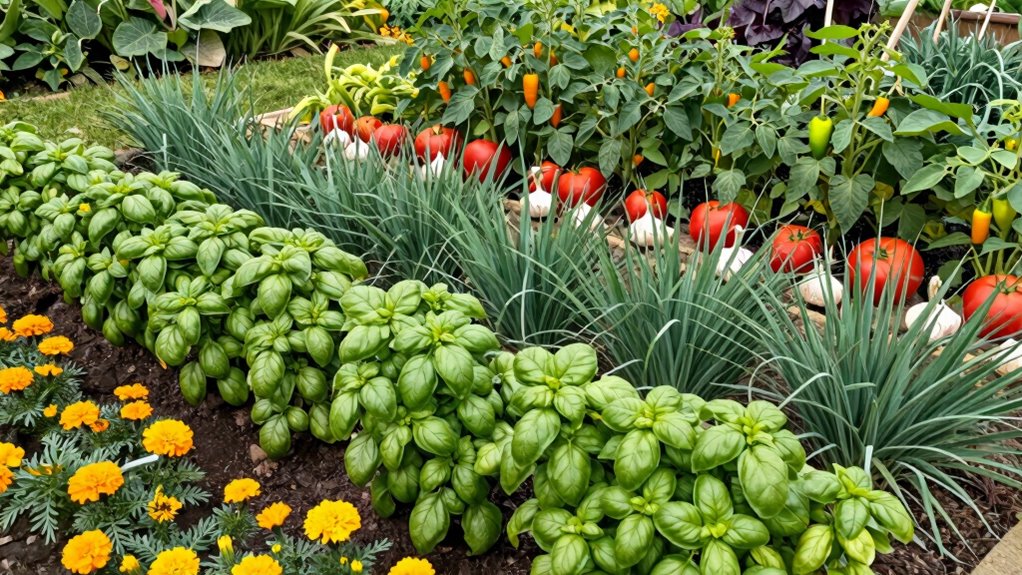
Designing your garden layout with pest control in mind involves strategic placement of companion plants to maximize their protective benefits. Start by planning your bed arrangements to promote soil enrichment, placing nitrogen-fixing plants near nitrogen-hungry crops to naturally boost soil health. Incorporate diverse plant heights and densities to create a natural barrier against pests, reducing the need for chemical controls. Consider water conservation by grouping drought-tolerant plants together, which minimizes water runoff and keeps pests at bay through healthy, resilient plants. Arrange your garden to facilitate airflow and sunlight, reducing humidity that attracts pests. Proper spacing and plant diversity not only help with pest prevention but also optimize resource use, making your garden more sustainable and productive. Additionally, integrating smart yard care devices like robot mowers can help maintain healthy, pest-resistant lawns with minimal effort. Using native plants can also enhance the overall resilience of your garden against common pests and pests’ natural predators, promoting a balanced ecosystem. Incorporating urban greening principles can further support pest control by increasing habitat diversity and encouraging beneficial insect presence.
Pairing Plants for Maximum Pest Resistance

Have you ever wondered how certain plant combinations can naturally deter pests? Pairing plants strategically can enhance pest resistance by leveraging pollination benefits and soil enrichment. For example, planting basil near tomatoes not only repels pests like aphids but also boosts pollination, leading to better fruit production. Combining legumes with leafy greens enriches the soil with nitrogen, strengthening plants’ defenses against pests. Similarly, marigolds paired with many vegetables emit strong scents that confuse or repel pests, protecting nearby crops. These combinations create a balanced ecosystem, reducing the need for chemical interventions. Incorporating sustainable practices into your gardening routine can further improve plant health and pest resistance. By thoughtfully pairing plants, you maximize pest resistance, improve pollination, and enhance soil health, making your garden more resilient and productive naturally.
Timing Your Planting for Better Pest Prevention
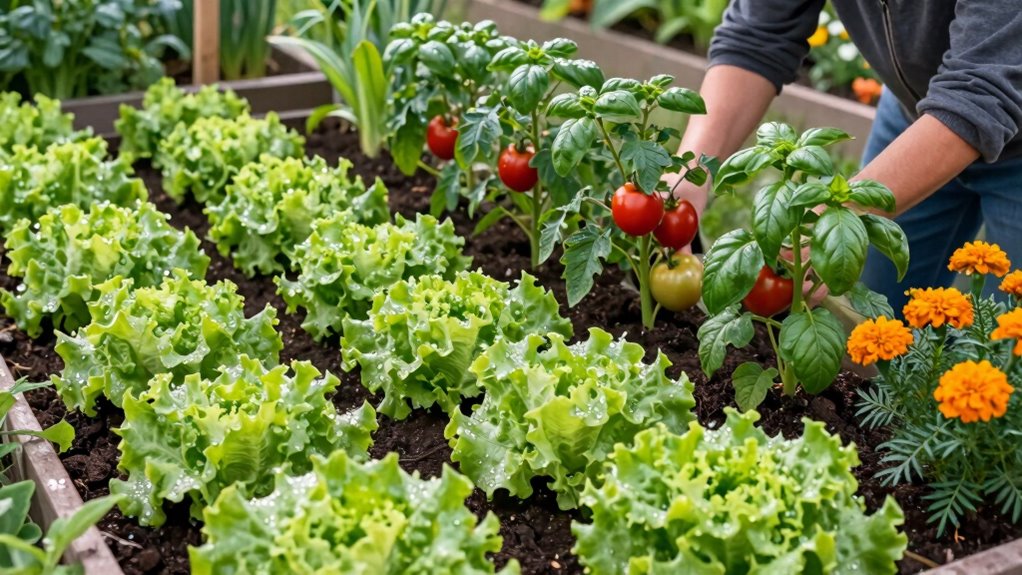
Timing your planting correctly can considerably reduce pest problems. By choosing the ideal seasons and staggering your plantings, you give your crops a better chance to grow healthy and resist pests. Consider your local climate and planting schedule to maximize these benefits.
Optimal Planting Seasons
Choosing the right time to plant your crops can considerably reduce pest problems. By aligning your planting schedule with natural pest cycles, you can minimize infestations and promote healthier plants. Planting during periods when pests are less active helps protect your crops naturally. Additionally, consider soil health; planting at ideal seasons allows soil to recover and maintain its nutrients, supporting stronger plant growth. Timing also influences soil moisture levels and temperature, which affect pest populations. When you plant early or late in the season, you may avoid peak pest activity. Pay attention to local climate patterns and pest behaviors, and adjust your planting calendar accordingly. Proper timing creates a less hospitable environment for pests, giving your companion planting strategy a better chance to succeed.
Staggered Planting Strategies
Staggered planting involves dividing your crop schedule into multiple planting dates rather than planting everything at once, which can considerably enhance pest prevention. In urban farming, this strategy helps break pest life cycles and reduces the risk of large infestations. Additionally, staggered planting supports soil health by preventing continuous crop pressure on the same soil area. Here’s how to implement it:
- Schedule multiple planting times for the same crop to confuse pests and reduce their buildup.
- Rotate planting dates to ensure some plants mature when pests are less active.
- Mix early and late plantings to create a natural barrier against pests.
- Use staggered planting to optimize soil health, giving soil time to recover between plantings, especially in limited urban spaces.
Monitoring Your Garden and Adjusting Your Plantings

Regularly inspecting your garden is essential for catching pest issues early and maintaining healthy plants. As you check your garden, pay attention to soil health, ensuring it’s well-drained and rich in nutrients, which supports resilient plants. Adjust your watering techniques to avoid overwatering or underwatering, as stressed plants attract pests. Monitor plant growth and look for signs of pests or disease, noting which companion plants seem most effective. If you notice pest outbreaks, consider relocating or replacing certain plants to better support natural pest control. Keep detailed records of what works and what doesn’t, allowing you to refine your planting plan over time. Consistent observation and small adjustments make your garden more resistant to pests and promote overall plant health.
Extra Natural Tips to Boost Pest Resistance
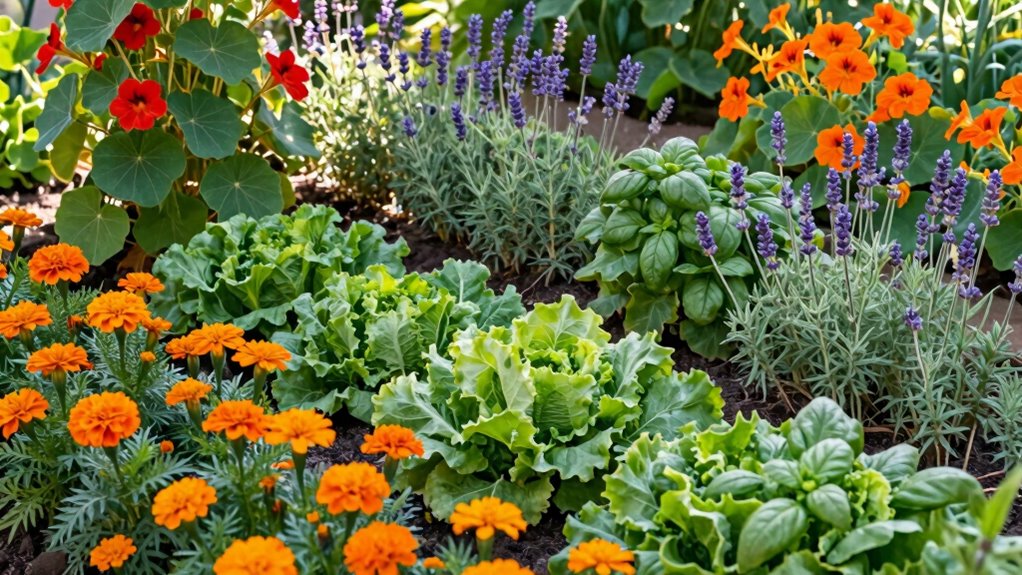
To naturally boost your garden’s pest resistance, incorporate beneficial insects like ladybugs, lacewings, and parasitic wasps, which prey on common pests and keep populations in check. Additionally, herbal remedies can strengthen plant defenses; herbs like neem, garlic, and basil act as natural repellents. Here are some extra tips:
Boost garden pest resistance naturally with beneficial insects and herbal repellents like neem, garlic, and basil.
- Plant aromatic herbs around your crops to attract beneficial insects.
- Create habitats like small brush piles or insect hotels to encourage beneficial insect populations.
- Use herbal sprays made from neem or garlic as organic pest repellents.
- Introduce beneficial insects regularly to maintain a balanced ecosystem.
Combining beneficial insects with herbal remedies provides a holistic approach, boosting your garden’s natural pest resistance without chemicals.
Common Mistakes to Avoid in Companion Planting
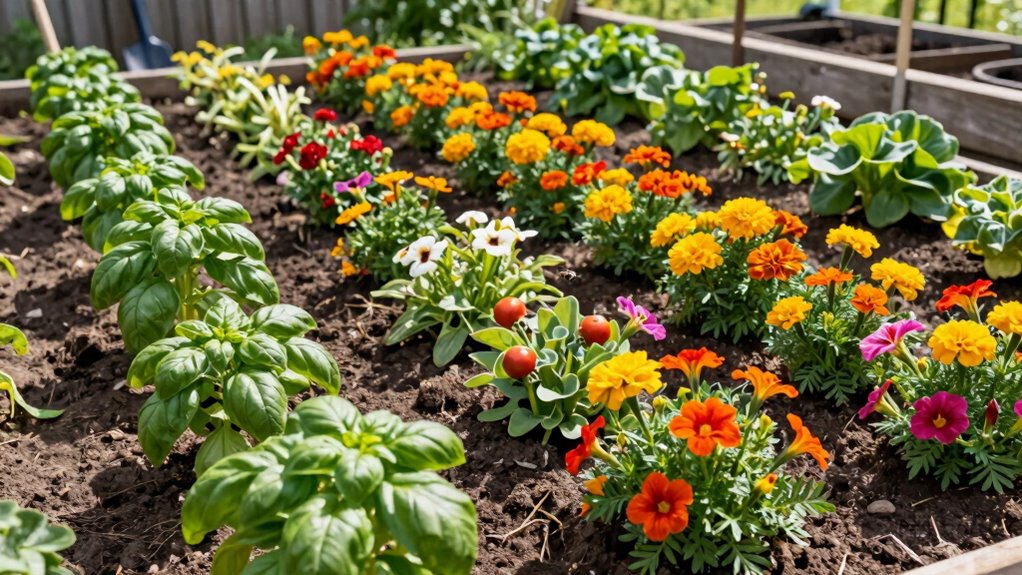
While companion planting offers many benefits, mistakes can undermine its effectiveness. One common error is neglecting soil health; planting incompatible companions can deplete nutrients or disrupt soil balance, reducing plant resilience. Always verify your soil is well-prepared and suited for your chosen plants. Another mistake is poor water management—overwatering or underwatering can weaken plants and attract pests, negating the benefits of companion planting. Avoid watering inconsistently or at irregular times, which can cause stress and imbalance in plant growth. Additionally, overcrowding plants hampers airflow and makes it harder for beneficial insects to access pests. To maximize pest prevention, space plants appropriately, maintain soil vitality, and manage water properly. These practices help create a healthier environment, making your companion planting efforts more successful.
Integrating Companion Planting Into Your Overall Pest Management

You can enhance your pest management by combining companion planting with other strategies, creating a more resilient garden. Choosing the right plant pairings boosts natural pest control, while integrating methods like crop rotation and biological controls strengthens your approach. Together, these tactics form an all-encompassing plan that keeps pests in check without relying solely on chemicals.
Complementary Plant Pairings
Integrating complementary plant pairings into your pest management plan can substantially enhance your garden’s natural defenses. Thoughtful pairings improve pollination benefits and soil enrichment, making plants healthier and more resilient. Here are key combinations to contemplate:
- Tomatoes and basil – Boosts pollination and deters pests like aphids.
- Carrots and onions – Repels carrot flies and adds sulfur to soil, enriching it.
- Marigolds and peppers – Deters nematodes and attracts pollinators.
- Beans and corn – Beans fix nitrogen in soil, supporting corn growth and improving soil quality.
These pairings create a balanced, pest-resistant environment while fostering pollination and soil health, making your garden more productive.
Integrated Pest Management Strategies
Incorporating companion planting into your overall pest management plan can substantially reduce the need for chemical controls and promote a healthier garden ecosystem. By focusing on soil health, you create a strong foundation for pest resistance, encouraging beneficial microbes that naturally suppress pests. Choosing plants that support pollinator activity boosts pollination and helps maintain a balanced environment, making pests less likely to thrive. Integrate diverse plantings to attract pollinators and beneficial insects like ladybugs and parasitic wasps, which target pests naturally. Regularly monitor your garden, adjusting plant combinations as needed. This holistic approach enhances biodiversity, improves soil quality, and reduces pest outbreaks, making your garden more resilient and productive without heavy pesticide use.
Frequently Asked Questions
Can Companion Planting Completely Eliminate Pest Problems?
Companion planting can’t completely eliminate pest problems, but it considerably boosts pest resistance by creating a diverse crop environment. By increasing crop diversity, you make it harder for pests to find and target specific plants, reducing infestations. While it’s a helpful strategy, remember to combine it with other pest control methods for the best protection. Together, these practices help keep your garden healthier and more resilient.
How Do Seasonal Changes Affect Companion Planting Effectiveness?
Seasonal timing greatly influences companion planting effectiveness, as certain plants thrive or struggle depending on the season. You should adjust your planting schedule accordingly and practice crop rotation to maintain soil health and pest control. By aligning your planting with seasonal changes, you enhance the benefits of companion planting, ensuring pest prevention remains effective throughout the year. This approach helps keep your garden healthy and productive over different growing seasons.
Are There Specific Companion Plants for Organic Pest Control?
Imagine a medieval herb garden, where herb combinations serve as your secret weapon. Yes, there are specific companion plants for organic pest control. Herbs like basil, marigolds, and mint act as pest repellent plants, naturally deterring insects. Plant them alongside your vegetables to create a pest-resistant ecosystem. Their aromatic qualities confuse pests, reducing infestations without chemicals, making your garden more sustainable and thriving.
How Do I Prevent Plant Competition While Companion Planting?
To prevent plant competition while companion planting, you should space your plants properly, allowing enough room for roots to grow without overlapping. Keep an eye on root competition, which can hinder growth, and guarantee plants aren’t competing for nutrients. Practice nutrient sharing by rotating crops and adding organic amendments, so each plant gets what it needs without overshadowing or crowding its companions. This balance promotes healthy, productive growth.
Can Companion Planting Attract Beneficial Insects to My Garden?
Think of your garden as a bustling city inviting beneficial insects like pollinators to its vibrant streets. Companion planting attracts these helpful creatures by planting pollinator attraction plants alongside pest deterrent plants, creating a lively environment. The diverse plant choices draw in bees, ladybugs, and other allies, naturally controlling pests and boosting pollination. This harmony transforms your garden into a thriving, balanced ecosystem, making pest problems much easier to manage.
Conclusion
By mastering companion planting, you’ll turn your garden into an impenetrable fortress against pests, protecting your plants naturally. With careful plant choices, smart layout, and vigilant monitoring, you’ll create a thriving, pest-resistant paradise that’s almost too good to be true. Embrace these tips, avoid common pitfalls, and watch your garden flourish like a lush, unstoppable jungle — a proof of your gardening genius! Your pest-free garden awaits, ready to impress and inspire.