
Planting alyssum as a trap crop is an effective way to attract lacewings and beneficial insects that naturally prey on pests like aphids and whiteflies, protecting your tomato plants. Choose sunny, well-drained spots to sow or transplant alyssum near your tomatoes, and let it blossom to draw in these helpful insects. Incorporating alyssum can reduce your reliance on chemical pesticides and encourage a balanced garden ecosystem. If you keep exploring, you’ll discover more ways to boost natural pest control.
Key Takeaways
- Plant alyssum near tomato plants to attract lacewings and other beneficial insects for natural pest control.
- Sow alyssum directly into well-drained soil in full sun for optimal growth and insect attraction.
- Maintain alyssum with minimal watering and weeding; it blooms over time, drawing beneficial insects.
- Alyssum acts as an effective trap crop, reducing pests like aphids and whiteflies on tomatoes.
- Incorporate alyssum into your garden ecosystem to promote biological pest management and sustainable gardening.
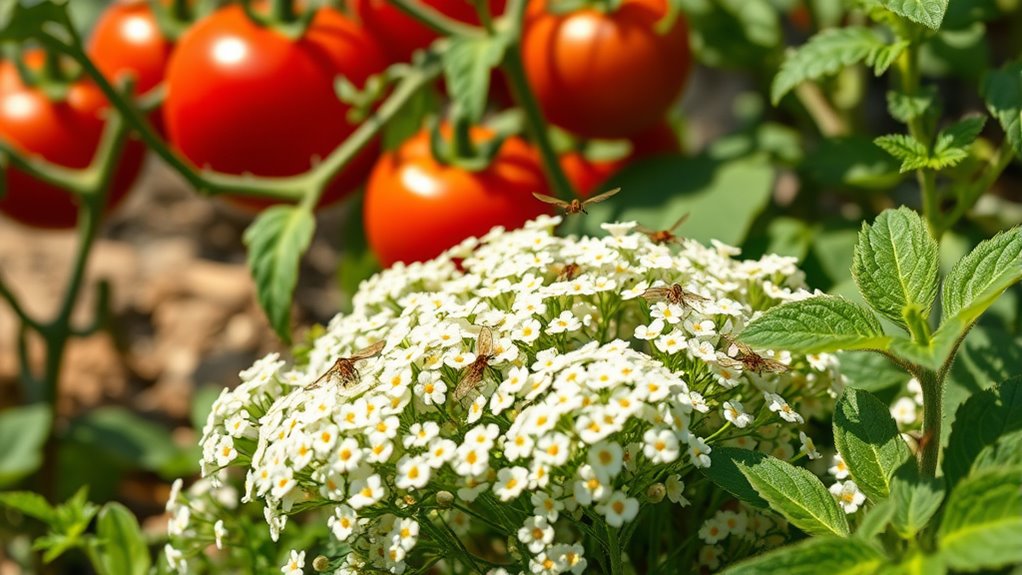
Tomato trap crops are an effective way to protect your garden from pests that target tomatoes. By strategically planting certain plants nearby, you can attract pests away from your main crop, reducing the need for chemical controls. But beyond simply drawing pests away, trap crops can also foster beneficial insects that help with natural pest management. One excellent example is planting alyssum around your tomatoes to attract lacewings, which are voracious predators of common garden pests like aphids, whiteflies, and thrips. These beneficial insects play a *vital* role in maintaining a healthy, balanced garden ecosystem, and encouraging their presence can *considerably* lessen your reliance on chemical pesticides.
When you plant alyssum as a trap crop, you’re creating a haven for lacewings and other beneficial insects. These insects are naturally drawn to alyssum’s fragrant clusters, which serve as both a food source and a breeding ground. As lacewings settle into your garden, they begin to hunt down pest populations on your tomato plants, offering you a form of biological pest management that’s both effective and eco-friendly. You’ll notice fewer aphids and other pest infestations, which means your tomatoes are less likely to suffer damage and less prone to diseases that pests can spread.
Planting alyssum is straightforward, and it doesn’t require much maintenance. You can sow the seeds directly into the soil around your tomato plants or start them indoors and transplant them later. Alyssum thrives in full sun and well-drained soil, making it an easy addition to most vegetable gardens. As it blooms, it will attract beneficial insects like lacewings, ladybugs, and hoverflies, all of which contribute to pest management by preying on or competing with pests. The presence of these helpful insects creates a natural balance, reducing pest populations without harming your tomato plants or the environment. Incorporating these beneficial insects into your garden ecosystem can enhance overall plant health and resilience.

Alyssum Seeds for Planting – Sweet Royal Carpet Purple Alyssum – Fragrant Perennial Flower & Ground Cover – Heirloom Non-GMO – Survival Garden Seeds (1 Pack)
BEAUTIFUL PURPLE ALYSSUM FLOWERS – Sweet Royal Carpet Alyssum seeds for planting produce a fragrant ground cover with…
As an affiliate, we earn on qualifying purchases.
As an affiliate, we earn on qualifying purchases.
Frequently Asked Questions
How Do I Attract Lacewings Naturally Without Planting Alyssum?
You can attract lacewings naturally through companion planting with herbs like dill, fennel, and coriander, which serve as pest management allies. Avoid using chemical pesticides, as they can kill beneficial insects. Provide a diverse garden environment with flowering plants that produce nectar and pollen, offering lacewings a food source. Creating a habitat with these plants encourages lacewings to stay, helping you control pests effectively without planting alyssum.
What Other Plants Can Serve as Effective Trap Crops for Pests?
You can use companion planting to attract beneficial insects and manage pests effectively. Plants like marigolds, dill, and nasturtiums serve as trap crops, luring pests away from your main crops. These plants attract aphids, whiteflies, and beetles, helping you control pests naturally. Incorporating these into your garden creates a balanced ecosystem, reducing the need for chemical pest management and fostering healthy plant growth.
How Close Should Alyssum Be Planted to Tomato Crops?
You should plant alyssum about 1 to 3 feet away from your tomato crops. This distance ensures effective companion planting, attracting lacewings that help with pest management without overshadowing your tomatoes. By creating a balanced layout, you encourage beneficial insects to stay close, reducing pest problems naturally. Keep the alyssum nearby but not directly touching your tomatoes to maximize its trap crop benefits and support a healthy garden ecosystem.
Are There Specific Alyssum Varieties Better for Attracting Lacewings?
You should choose alyssum varieties that are known for attracting lacewings, like lacy varieties and fragrant cultivars. These types produce abundant nectar and scents that lure beneficial insects effectively. Opt for cultivars with dense, flowering growth, as they provide better shelter and food sources for lacewings. By planting these specific alyssum varieties near your tomatoes, you’ll enhance natural pest control and promote a healthier garden ecosystem.
What Is the Lifespan of Lacewings in a Garden Setting?
Lacewings typically live about 4 to 6 weeks in your garden. During their lifecycle, they prefer habitats with abundant pollen and nectar, like alyssum, which can extend their presence. An interesting fact is that a single lacewing can consume up to 200 aphids in just one week. By planting alyssum, you provide a essential habitat, helping you support lacewings and naturally control pests throughout their lifecycle duration.

1000 Pyrethrum Seeds – Natural Mosquito Repellent Plants, Multi-Color Blooming Potted Flowers for Gardens, Cold-Hardy & Low-Maintenance
Contains 1000 colorful pyrethrum seeds with multi-color blooms, combining ornamental and practical values;
As an affiliate, we earn on qualifying purchases.
As an affiliate, we earn on qualifying purchases.
Conclusion
By planting alyssum as a trap crop near your tomatoes, you invite beneficial lacewings that naturally control pests. It’s a simple, eco-friendly choice that reduces harmful chemicals and protects your harvest. You might worry about extra work, but seeing your garden thrive with fewer pests makes it worth it. Embrace this natural solution—your plants and the environment will thank you, turning your garden into a healthier, more sustainable sanctuary.

The Vegetable Garden Pest Handbook: Identify and Solve Common Pest Problems on Edible Plants – All Natural Solutions!
As an affiliate, we earn on qualifying purchases.
As an affiliate, we earn on qualifying purchases.
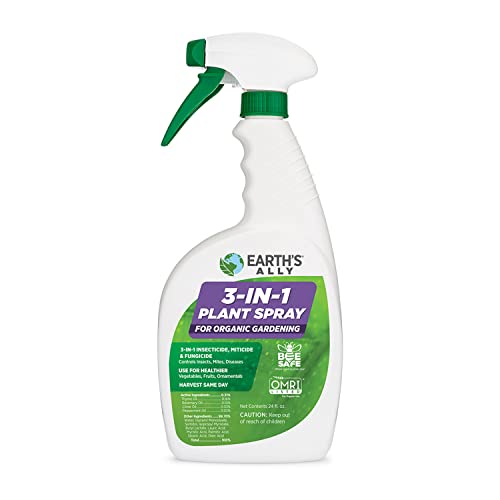
Earth's Ally 3-in-1 Plant Spray for Pests and Disease – Organic Insecticide, Fungicide and Spider Mite Control – OMRI Listed Indoor Outdoor Garden Spray – Safe for Pollinators, Kids and Pets – 24 oz
READY-TO-USE NATURAL SOLUTION – Earth's Ally 3 in 1 Plant Spray is a multi-purpose pest and fungus spray…
As an affiliate, we earn on qualifying purchases.
As an affiliate, we earn on qualifying purchases.